


Explore this content with AI:
Most businesses that struggle with growth aren’t failing at execution — they’re confusing strategy with tactics. They run ads before they’ve defined their brand and spend on placements before they understand their customer. They optimise for clicks before they’ve earned trust.
The root cause, almost always, is not knowing the difference between marketing vs advertising.
They aren’t. With AI rewriting how both fields operate, the cost of confusing them is higher than ever. This guide breaks down exactly what each term means, where they overlap, when to use each, and how the smartest brands are combining them into a single flywheel.
What Is Marketing? (The Strategy Layer)
Marketing is the long-term process of identifying what your customers need, creating products or services that deliver real value, and building the kind of relationships that keep people coming back. It’s not a campaign, not a department. It’s a discipline that touches every part of the business.
The classic framework — the 4 Ps — still holds up: Product, Price, Place, Promotion. But in 2026, most strategists have added a fifth: Personalization.
Over 92% of businesses are using AI-driven personalization to drive growth, and 73% of leaders agree AI will fundamentally reshape personalization strategies. Personalization is no longer a nice-to-have layer on top of marketing — it’s baked into the strategy itself.
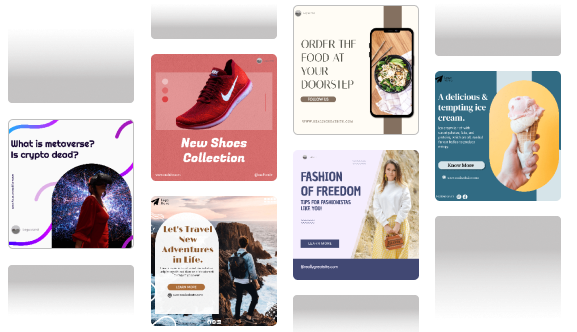
Types of Marketing:
The key types of marketing every business should understand:
1. Inbound Marketing
This draws customers toward you by creating content that answers their questions before they’re ready to buy. You can get inbound leads through:
- SEO articles
- Thought leadership content
- Video guides
- free tools and demos
The goal is to be findable at the moment someone has a problem your product solves. And this is exactly what inbound marketing focuses on.
2. Relationship Marketing
This kind of marketing shifts focus from acquisition to retention. It prioritises Customer Lifetime Value (LTV) over one-time conversions.
Some of the areas of key focus around here are:
- Loyalty programmes
- Personalised email journeys
- Community building
These are relationship marketing tools. A customer who spends on your business for over three years is worth far more than a client who leaves after a one-time purchase.
3. Digital and Social Media Marketing
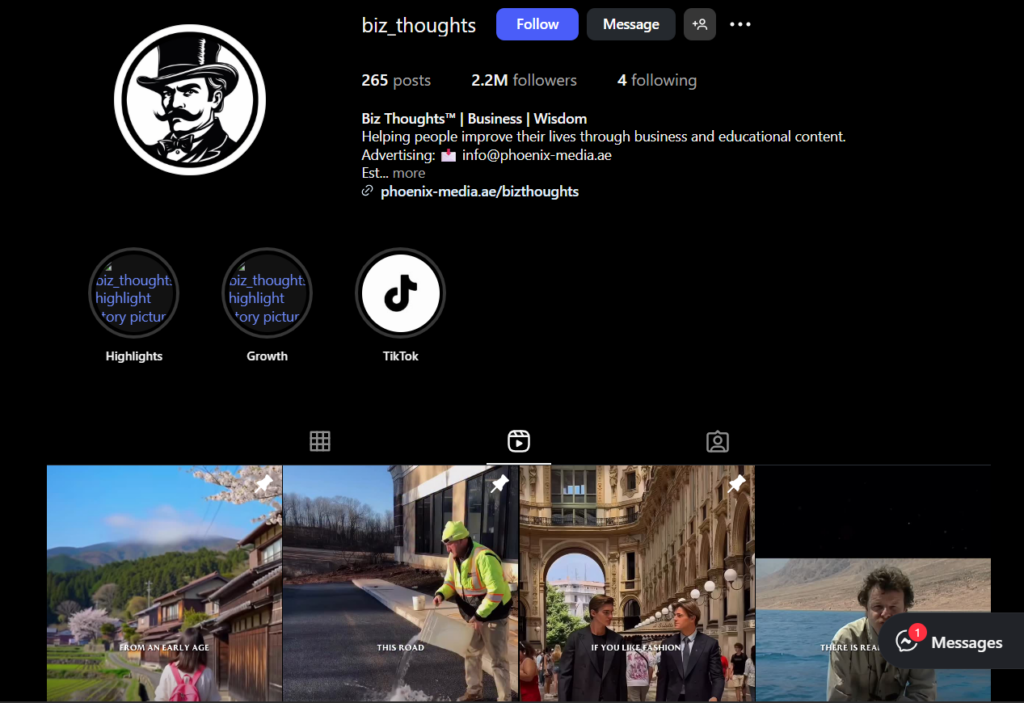
Digital and social media marketing means building a consistent brand presence across the platforms where your audience actually spends time.
To ace this area, you need to focus on:
- Organic posts
- community management
- creator partnerships
- consistent publishing
- addressing customer concerns
4. Influencer and Creator Marketing
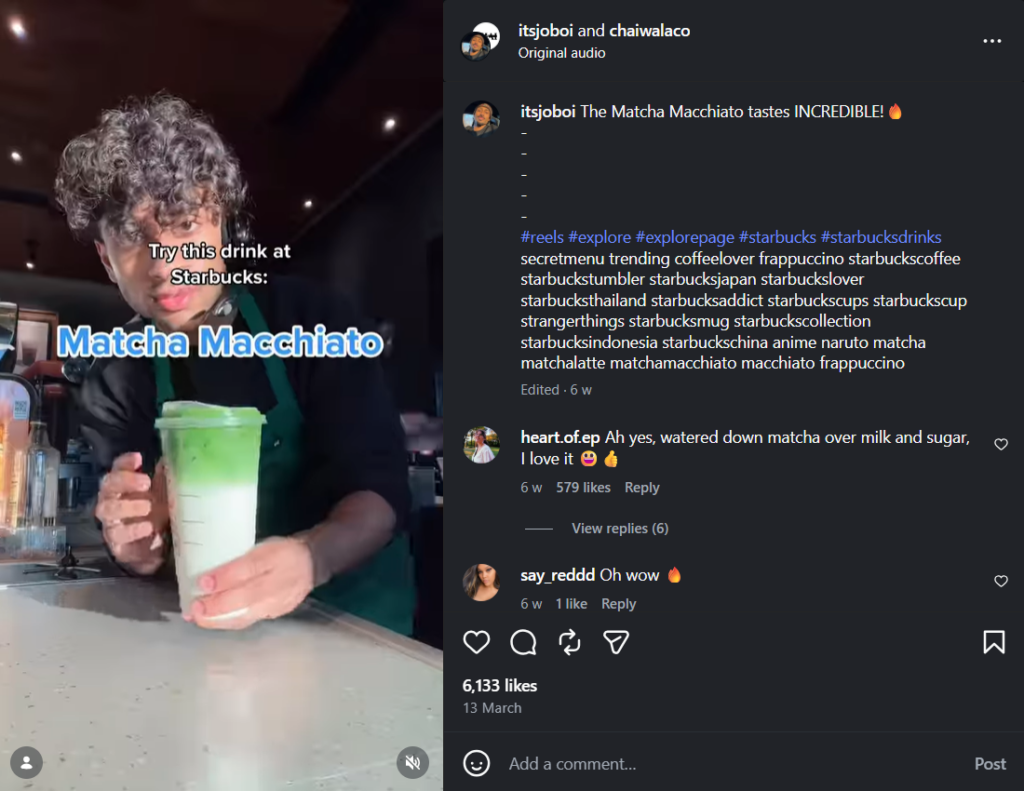
This area of marketing has matured significantly. The most effective versions aren’t celebrity endorsements — they’re long-term partnerships with niche creators whose audiences trust their recommendations on a specific topic. The trust is the asset.
The common thread across all of these: marketing is owned and earned. You build it, maintain it, and it compounds over time. You don’t pay for the placement — you earn the attention.
5. Traditional Marketing

This covers the channels that predate the internet — print, TV, radio, direct mail, events, and sponsorships. Often dismissed by digital-first brands, it still delivers in specific contexts: local businesses, older demographics, and brand legitimacy plays where physical presence signals trust.
A full-page ad in an industry trade magazine or a well-placed billboard can do things a Facebook ad can’t — particularly for brands trying to convey permanence and credibility.
6. Content Marketing
Content Marketing is the engine behind inbound. Blog posts, newsletters, YouTube channels, podcasts, whitepapers, case studies — any format that delivers genuine value to your audience before asking for anything in return. For downloadable resources such as guides and reports, marketers can also create a pdf link in html to make the content easily accessible from a webpage.
Done consistently, content marketing builds the kind of brand authority that no amount of advertising spend can manufacture. The brands that publish useful, honest content week after week become the default trusted source in their category.
7. Email Marketing
This kind of marketing remains one of the highest-ROI channels in the toolkit, consistently outperforming social media for direct conversions. Your email list is an owned asset — unlike a social following, no algorithm can deprioritise it or price you out of reaching it.
8. Affiliate Marketing
By using Affiliate marketing, you can put your product’s promotion in the hands of third parties who earn a commission on every sale they drive. Publishers, bloggers, comparison sites, and niche communities promote your product to their audiences in exchange for a cut of the revenue.
9. Outbound Marketing
Outbound Marketing flips the inbound model: rather than waiting for customers to find you, you go to them. Cold email, cold calling, direct mail, trade show prospecting, and LinkedIn outreach all fall under this umbrella. It’s a higher-effort, lower-conversion channel than inbound — but it’s also faster.
What Is Advertising? (The Tactical Layer)
Advertising is a specific, paid communication designed to inform, persuade, or remind an audience about your product or brand. Every form of advertising has one defining characteristic: you pay for the space or time.
That’s the “pay-to-play” distinction that separates advertising from everything else. An organic Instagram post is marketing. The same post, boosted with £500 in spend, is advertising. The content might be identical — the mechanism is completely different.
Types of Advertising Methods
Let us take a look at the advertising methods that you have at your disposal:
1. PPC and Search Ads
These ads put your brand in front of people actively searching for what you offer on Google, Bing, and increasingly, AI search engines.
Paid search is still one of the highest-intent advertising channels available. And by effectively leveraging AI in targeting, Advertisers see up to 2X higher return on ad spend compared to third-party targeting. Thus giving them a real chance to tap into this audience.
2. Social Ads
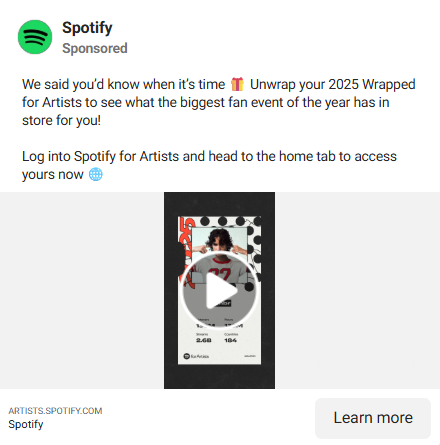
Running ads on TikTok, Instagram, Threads, and YouTube — offer granular audience targeting based on demographics, interests, and behaviour. Meta’s ad platform in particular now includes Threads as a placement, expanding the inventory available inside a single campaign.
3. Native Advertising
Native advertising blends into the surrounding content of a website or feed, matching its look and feel. When done well, it feels editorial rather than promotional — and it performs significantly better than display advertising for brand recall.
4. Out-of-Home (OOH)
OOH has evolved beyond static billboards. Digital OOH screens now serve contextually targeted content based on time of day, weather, and location.
Marketing vs Advertising: A Direct Comparison
| Feature | Marketing | Advertising |
|---|---|---|
| Scope | Broad — the “big picture” strategy | Specific — the “public message” |
| Duration | Long-term brand building | Short-term campaign goals |
| Primary Goal | Customer satisfaction and loyalty | Awareness and immediate sales |
| Media Type | Owned and earned media | Paid media |
| Key Metrics | Market share, LTV, NPS | ROAS, CTR, Impressions |
| Cost Structure | Time and content investment | Direct media spend |
| Result Timeline | Compounds over months and years | Measurable within days or weeks |
The most important takeaway from this table, marketing vs advertising, is that success is measured differently because they’re trying to achieve different things.
Running ads without a marketing foundation is like turning on a tap with no pipe behind it. You’ll spend money, see a spike, and wonder where the results went.
Modern Trends Reshaping Marketing vs Advertising
1. GEO (Generative Engine Optimization)
GEO is the emerging discipline of making your content readable and citable by AI search engines — ChatGPT, Perplexity, Google’s AI Overviews, and others.
Traditional SEO optimised for Google’s ten blue links. GEO optimises for AI-generated answers that often don’t include a traditional ranked result.
Advantage will accrue to those who can design experiences not only for people but also for the AI systems that guide them. For marketers, this means writing content that is structurally clear, factually precise, and authoritative enough for an AI to cite it.
2. AI-Generated Creative
AI Usage has moved from experimental to standard practice in advertising.
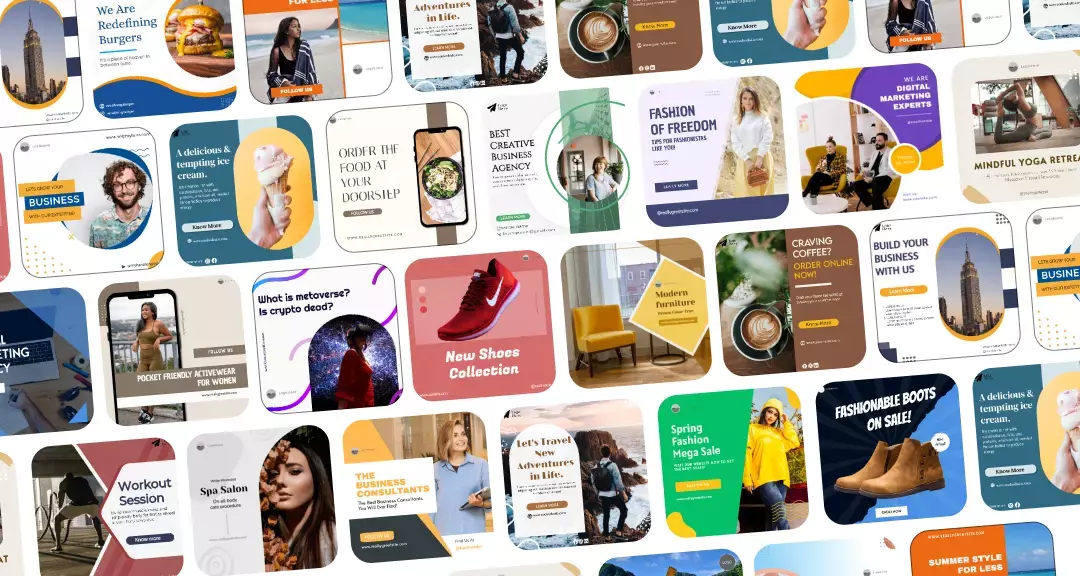
Tools like Predis AI allow brands to generate and test advertising visuals at a scale that was impossible even two years ago — dozens of creative variations, different formats, different platform ratios, all produced in a fraction of the time a traditional design workflow would require.
3. Hyper-Personalisation
Personalising is where marketing data and advertising execution converge most powerfully.
The practical result is ads that don’t feel like ads — because the marketing intelligence behind the targeting is precise enough to serve the right message at the exact moment a person is most likely to respond to it.
When to Choose Marketing vs Advertising for Your Business
Choose marketing when
- Building from scratch
- Trying to define your brand voice
- Entering a new market
- Working to retain your existing customer base
Marketing is the foundation. Without it, advertising spend has nothing to land on. A customer who clicks your ad and finds a confusing website, an unclear value proposition, or zero social proof will not convert — regardless of how good the targeting was.
Choose advertising when
- Having a specific, time-sensitive goal: a product launch, a seasonal sale, a conference you’re sponsoring, a new geography you want to enter quickly.
Advertising is the accelerant. It amplifies what’s already working, not what’s still being figured out. The businesses that waste the most money on ads are those that start advertising before their marketing is solid.
Advanced Strategy: Making the Two Work Together
The most effective brands don’t choose between marketing and advertising — they engineer a loop between them.
1. The Research-to-Revenue Loop
Use marketing research (customer interviews, content analytics, community feedback) to identify the specific pain point your audience is struggling with right now.
- Create an ad that addresses that exact pain point — not a generic brand message, but a direct response to a real problem.
- Use marketing email sequences to nurture the leads those ads generate, building trust and context before asking for a purchase.
The marketing informs the advertising, and the advertising feeds the marketing.
2. The Retargeting Synergy
- Pairing strong content with optimised Shadcn Landing Pages helps businesses turn that traffic into qualified leads. That traffic signals interest and intent.
- Use a retargeting pixel to identify those visitors and serve them specific ads relevant to what they read.
A person who spent four minutes reading your guide on choosing accounting software is a far better target for an accounting product ad than a cold audience. The marketing content does the qualification; the advertising does the conversion.
Marketing is becoming a real-time growth engine that integrates insights, content, commerce, and performance in a continuous loop. The organisations that understand this — and stop treating marketing and advertising as competing budget lines — are the ones building durable brands.

Three Common Myths, Corrected
1. Myth: “Advertising is dead because of ad blockers.”
Ad blocking is real, but it hasn’t killed advertising — it’s filtered it. What it has killed is lazy, irrelevant, interruptive advertising.
Native formats, influencer partnerships, and well-targeted social ads perform because they fit the context. Advertising that earns attention still works. Advertising that demands it doesn’t.
2. Myth: “Small businesses only need advertising.”
This is the most expensive mistake a small business can make.
Running ads without a marketing foundation — a clear brand, a defined audience, a compelling offer, social proof — is burning budget. Every pound you spend on advertising is more effective when the marketing behind it is solid.
A customer who clicks an ad and finds a trustworthy, coherent brand is ten times more likely to convert than one who clicks into confusion.
3. Myth: “Marketing results should be immediate.”
Marketing vs Advertising is like a marathon vs. a sprint. You can run a paid campaign tomorrow and see results by Friday. You cannot build brand authority, community trust, or search engine presence in a week.
The businesses that get frustrated with marketing and pivot entirely to ads are usually the ones that never gave the foundation time to set. Both timelines are legitimate — they just serve different goals.
The Short Version
Marketing is the brain. Advertising is the mouth. One decides what to say and to whom; the other says it loudly, in paid space, to as many of the right people as budget allows.
To win, you don’t choose one or the other. You use advertising to amplify marketing that’s already working — and you use marketing to make every advertising pound work harder. Get that relationship right, and the flywheel starts turning on its own.
FAQ
Advertising almost always carries higher direct costs because of media spend. Marketing costs are often less visible (content creation, SEO) but compound over time. The honest answer is that both require investment; the mix depends on your timeline and goals.
Yes, you can. These are slower to build but more durable. Many successful businesses have been built entirely on organic marketing before introducing advertising to accelerate growth.
It’s both, depending on how you use it. Organic posts, replies, community management, and content publishing are marketing — you’re building a brand presence without paying for placement. Boosted posts, sponsored content, and paid social campaigns are advertising — you’re paying for reach and targeting.