

Explore this content with AI:
In the high-stakes world of digital attention, few things are as terrifying to a creator as the “silent chill” of a shadow ban. One day, your videos are hitting the For You Page (FYP), your notifications are buzzing, and your follower count is climbing. Next, your views drop off a cliff, your engagement flatlines, and it feels like you are shouting into an empty room.
TikTok’s algorithm has become more sophisticated, powered by advanced AI that monitors content with surgical precision. Understanding the “Shadow Ban”—or what TikTok officially calls Content Ineligibility—is no longer just for the pros; it is a survival skill for anyone looking to maintain a presence on the platform. This guide will walk you through the mechanics of being shadow-banned on TikTok and exactly how to reclaim your reach.
What does it mean to be shadow-banned on TikTok?
Defining the “Invisible Ban”
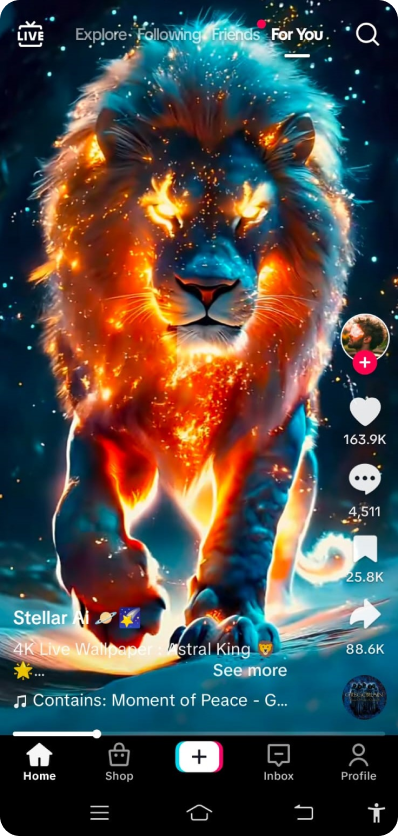
A shadow ban is a temporary restriction that hides your content from users who don’t already follow you. Unlike a standard “Hard Ban,” where TikTok sends you a notification and locks your account, a shadow ban is invisible. You can still post, you can still scroll, and you can still see your own videos—but the algorithm stops pushing your content to the For You Page.
The Mechanism of Suppression
In 2026, TikTok doesn’t just “turn off” your account. Instead, its AI-driven moderation system flags your content as “Ineligible for Recommendation.” This means while your followers might still see your posts in their “Following” tab, you are essentially cut off from the global discovery engine that makes TikTok famous. It is the digital equivalent of being placed in a soundproof room: you’re still talking, but the crowd outside can’t hear you.
Common Reasons Behind Getting Shadow Banned on TikTok
Why does the algorithm turn on you? Usually, it’s a result of behavior that triggers the “Spam or Safety” alarm.
1. Spammy Behavior
This remains the #1 cause. In 2026, the AI is incredibly sensitive to “non-human” patterns. If you follow or unfollow hundreds of people in a single hour, or if you “mass-like” videos without actually watching them, TikTok assumes you are a bot. This results in an immediate shadow ban to protect the ecosystem.
2. Copyright & Reposting
The days of simply downloading a YouTube video and re-uploading it to TikTok are over. TikTok scans for duplicate content across the web. If your account is found to be a “repost hub” that doesn’t add a unique voice, reaction, or edit, your reach will be permanently throttled.
3. Posting Content That Breaks the Rules
Even if your video isn’t deleted, TikTok might stop showing it to new people if it thinks the content is “borderline.” This happens with videos that are a bit too risky, show dangerous stunts, or just don’t fit the app’s safety standards for 2026.
4. Being Mean or Bullying Others
TikTok’s system is very good at spotting mean behavior. If you use harsh language, pick on people, or get reported for harassment, the app will hide your account to keep things friendly for everyone else.
5. Using “Bad” or Banned Hashtags
Not all hashtags are helpful. Sometimes, TikTok “mutes” certain tags if they are being used by bots or to spread fake news. If you use one of these “blacklisted” tags by mistake, your video won’t show up in search results.
6. Posting Too Much at Once
In 2026, TikTok likes quality more than quantity. If you upload five videos in an hour or follow a ton of people really fast, the app thinks you’re a robot (a bot) and will hide your posts to stop the spam.
7. Getting Too Many Reports from Users
If a lot of people click “Report” on your videos, TikTok’s security system takes notice. Even before a human looks at it, the app might automatically lower your views as a “safety first” measure to make sure you aren’t spreading harmful content.
8. App Glitches and Technical Errors
Sometimes, it’s not your fault at all. With all the new AI updates in 2026, the app can occasionally have bugs or server issues. This can make your views drop for no reason, making it look like a shadow ban when it’s actually just a technical glitch.
How to Know if You Have Been Shadow Banned
Since there is no “You’re Banned!” pop-up, you have to look at the data to see if you have been shadow-banned or not.
1. The Analytics Deep-Dive
Check your Video Insights. On a healthy account, some of your traffic should come from the “For You” feed. If your analytics show that 0% of your views are coming from the FYP, and 100% are coming from “Personal Profile” or “Following,” you are almost certainly shadow-banned.
2. The Hashtag Visibility Test
Post a video using a unique, obscure hashtag (e.g., #MySpecificDesignTest2026). Then, using a different account, search for that hashtag. If your video doesn’t appear under the “Recent” tab, it means your content is being hidden from the public search index.
3. A Major Drop in Likes and Views
The first sign of a shadow ban is usually a sudden, massive dip in your engagement. If your videos typically get thousands of views and suddenly struggle to hit double digits, the algorithm has likely stopped suggesting your content to new people, even if you haven’t changed anything about your style.
4. Your Follower Count Stagnates
When you are shadowbanned, your “discovery” is turned off, meaning your account stops growing. If you notice that you aren’t getting any new followers—or that your count is actually dropping—it’s a strong sign that only your current followers can see your posts, and no one else is being invited to join your community.
5. Your Videos Disappear from the For You Page
The most certain way to tell if there is a problem is by checking your video analytics. On a healthy account, most views should come from the “For You” feed; if that percentage drops to zero or near-zero, TikTok has officially labeled your content as “Ineligible for Recommendation.”
6. Getting a Second Opinion from a Friend
Ask a friend who doesn’t follow you to search for your username or your latest video. If they can’t find your account or your content doesn’t appear in their feed even when they look for it specifically, your account is likely restricted and hidden from the general public.
7. Receiving a Warning or Policy Notice
While a shadow ban is usually “silent,” sometimes TikTok will send a direct warning or a notification that you have violated a Community Guideline. In 2026, these notices often come with a specific mention that your content is “ineligible for the FYP,” which is the platform’s way of confirming you are currently banned.
Duration: How Long Does a Shadow Ban Last?
The length of your “timeout” depends on the severity of the slip-up.
- Minor Infractions (The “Slap on the Wrist”): Usually lasts 24 to 72 hours. This happens for things like accidental spamming or using a slightly restricted song.
- Moderate Violations (The “Cool Down”): Lasts roughly 2 weeks. This is common for “Borderline” content or repeated minor violations.
However, if you rectify the reason behind your getting shadowbanned, then you might have a chance of getting out of it sooner.
How to Get Out of a Shadow Ban
If you are currently in the “shadows,” don’t panic. There is a way back. Here are some ways in which you can do that:
1. The “Clean Slate” Strategy
Go through your last week of content. If anything feels “risky”—perhaps it used a trending sound that was later removed, or it was an AI-heavy clip without a label—Archive it. Setting a video to “Only Me” is better than deleting it, as mass-deletion can sometimes look like bot behavior trying to hide evidence.
2. The Posting Break
Stop posting for at least 48 to 72 hours. Give the algorithm time to clear your “active flags.” Use this time to consume content as a regular user rather than a creator and plan your next creatives using an AI ad creator, so you’re ready to post strategically when you return. And when you make content, make sure to schedule posts so you can maintain consistency.
3. Freeing Up Space
Clear your TikTok Cache in the app settings. This removes temporary files and “cookies” that might be tied to technical glitches. Some creators also suggest a full app re-install to “refresh” the device ID connection to the servers.
4. The “Human” Interaction Method
Log in and watch videos in your niche. Leave thoughtful, multi-word comments on other people’s posts. By acting like a valuable member of the community rather than a “posting machine,” you signal to the AI that you are a real human.
Pro-Tips to Avoid a Shadow Ban in the Future
1. Authenticity First
In 2026, the “Human Voice” is the most valuable asset. The more your content looks like it was filmed natively in the app (using the TikTok camera, native fonts, and original audio), the less likely it is to be flagged as spam or unoriginal.
2. Stay Disclosure-Compliant
Use the built-in tools for AI and branded content every single time. Over-disclosing is safer than under-disclosing. If there is a 5% chance your video looks like an ad, toggle the “Branded Content” button.
3. Smart Hashtagging
Avoid “spammy” tags like #FYP or #ForYou. These don’t help your reach and can actually make you look like a bot. Use 3–5 specific, niche-relevant tags that accurately describe your video.
4. Avoid Posting Often
In 2026, TikTok likes quality more than quantity. If you post too many videos in one day, the app might think you are a spam bot. It is better to make one great TikTok video a day rather than five quick ones that no one wants to watch.
5. Use Original material
Using music or movie clips that you don’t own is a fast way to get flagged. Stick to the TikTok Music Library or make your own sounds. If the app’s AI detects stolen content, it will hide your video from the For You Page immediately.
6. Follow TikTok’s Rules
The rules change often, so keep an eye on the latest guidelines. In 2026, you must label any AI-generated content and mark your ads clearly. Being honest with the app shows the algorithm that you are a trustworthy creator who deserves to be seen.
Conclusion
The TikTok shadow ban is not a death sentence; it is a feedback loop. It’s the platform’s way of telling you that your current strategy is triggering its safety systems. By staying adaptable to the 2026 algorithm changes, being transparent about your use of AI, and prioritizing genuine human interaction, you can keep your account in the “green.”
Focus on providing value, respect the community guidelines, and your reach will eventually return. The best defense against a shadow ban is simply being a creator that users—and the algorithm—love to see.
Frequently Asked Questions (FAQ)
No. These are scams. No third-party app has access to TikTok’s internal moderation servers.
Not directly. While Business Accounts get more analytics, they are held to even higher standards of commercial disclosure.