

Explore this content with AI:
Have you ever scrolled through a TikTok comment section and seen minimalist, high-quality emojis that don’t look like the ones on your standard keyboard? You aren’t imagining things. While most people stick to the default Unicode set, “power users” utilize a hidden visual language built directly into the app, which are the TikTok Emoji Codes.
TikTok’s Hidden Visual Language
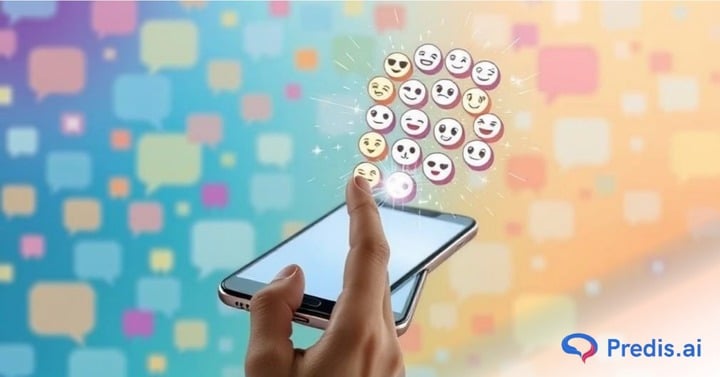
TikTok features a proprietary set of shortcodes that act as a “secret keyboard.” These aren’t just your average emojis; they are custom-designed graphics that give your comments a sleek, native look that stands out from the crowd.
The process is simple: TikTok’s internal rendering engine recognizes specific words enclosed in square brackets []. When you hit “post,” the app automatically swaps that text for a custom graphic. It’s like a secret handshake for your keyboard where a TikTok secret emoji codes make magic happen.
Essential Things to Know About TikTok Emoji Secret Codes
Before you start typing, there are four “golden rules” to ensure your code actually works:
- The Case-Sensitivity Rule: These codes are picky. Typing
[Smile]with a capital “S” will fail. You must use lowercase—[smile]—for the magic to happen. - Square Brackets are Key: The brackets are the trigger. Without them, you’re just typing regular words.
- Platform Exclusivity: These live only within the TikTok ecosystem. If you copy a comment containing a secret emoji and paste it into Instagram or WhatsApp, it will revert to plain text (e.g.,
[flushed]). - No Auto-Predict: Your phone’s predictive text won’t help you here. Since these aren’t part of the standard Unicode set, you’ll need to memorize your favorites or keep this guide bookmarked.
The Complete List of TikTok Secret Emoji Codes
The Emotional & Expressive Set
These are perfect for reacting to “storytime” videos or cringey fails. Let us check out exactly what these emojis are and how to use them:
1. [flushed]
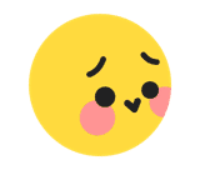
Meaning: A cute, bashful blush. It represents being caught off guard, feeling shy, or being flattered.
Best Use Case: When a creator gives you a shoutout, or when you’re reacting to a “glow-up” video where someone looks particularly good.
2. [weep]
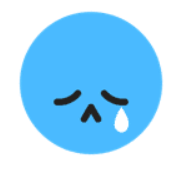
Meaning: Deep, emotional sorrow or quiet sympathy.
Best Use Case: Reacting to a truly heartbreaking “storytime” or a video about missing a loved one. It’s more “sincere” than the standard crying emoji.
3. [speechless]
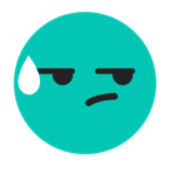
Meaning: “I have no words.” Represents being dumbfounded, annoyed, or simply over it.
Best Use Case: When a video features a “life hack” that is clearly impossible or a take so bad it leaves the whole comment section quiet.
4. [facewithrollingeyes]

Meaning: Exasperation or dismissal.
Best Use Case: The ultimate response to a “pick-me” video, an obvious lie, or a cringeworthy attempt at a viral trend.
5. [sulk]
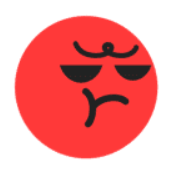
Meaning: A playful, red-faced pout.
Best Use Case: When a creator announces they’re sold out of a product you wanted, or when you’re “mad” that a video ended on a cliffhanger.
6. [tears]
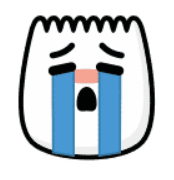
Meaning: Extreme emotional movement or profound sadness.
Best Use Case: When a video is so wholesome or sad that you are actually moved to tears (e.g., a surprise military homecoming or a pet reunion).
7. [rage]
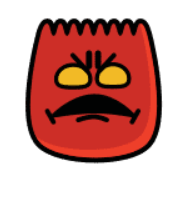
Meaning: Intense, boiling-over frustration.
Best Use Case: Reacting to “Karen” videos, injustice, or when your favorite character in a series gets treated poorly.
8. [blink]
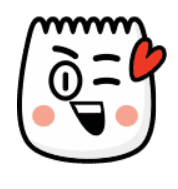
Meaning: A cheeky, knowing wink.
Best Use Case: When you’re “shipping” two creators in the comments or dropping a subtle, flirty joke.
9. [astonish]
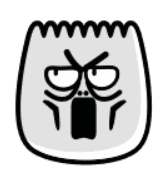
Meaning: Jaw-dropping, wide-eyed shock.
Best Use Case: Use this for “Wait for it” videos or high-skill talent showcases (like parkour or insane makeup transformations).
10. [shout]
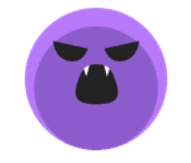
Meaning: A purple, fanged face that looks like it’s venting or losing its cool.
Best Use Case: When you’re “screaming” at a creator’s bold take, or when you’re jokingly frustrated that you can’t find a specific product mentioned in a video.
11. [slap]
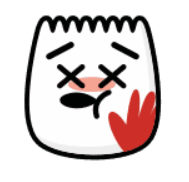
Meaning: Disbelief or a “mental slap.”
Best Use Case: When someone makes a ridiculous statement, or when a creator delivers a “burn” so good it leaves you stunned.
12. [stun]
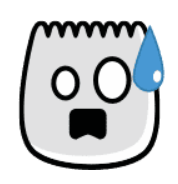
Meaning: A dumpling face with a sweat drop, representing a “freeze” reaction.
Best Use Case: Use this for “Wait, what?” moments—when a plot twist in a story completely catches you off guard.
13. [disdain]
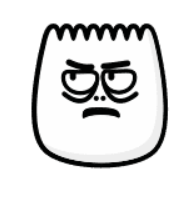
Meaning: A judgmental, “unimpressed” face with bags under its eyes.
Best Use Case: The ultimate response to a “humble brag,” a clearly staged prank, or a video that is trying too hard to be “edgy.”
14. [smile]
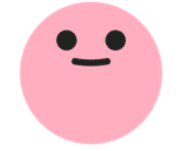
Meaning: A soft, round pink face with a gentle grin. It represents polite happiness or warm appreciation.
Best Use Case: When you want to be friendly and supportive without being “too much.” It’s the perfect “like” replacement in a comment.
15. [happy]
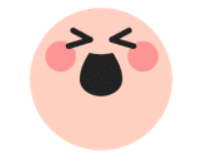
Meaning: A peach-colored face with squinty eyes and a huge, open-mouthed smile.
Best Use Case: Use this for moments of genuine excitement—like when a creator announces a giveaway or a long-awaited life update.
16. [angry]
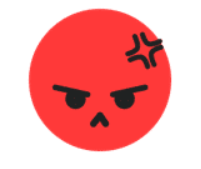
Meaning: A classic red face with furrowed brows and “X” shaped eyes.
Best Use Case: Reacting to a frustrating “life fail” or a truly unpopular opinion. It’s more of a “playful” anger than the [rage] code.
The Positive & Playful Set
Use these to show your favorite creators you care or to highlight a funny moment.
1. [lovely]
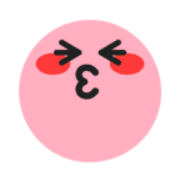
Meaning: Pure adoration and sweetness.
Best Use Case: Commenting on wholesome content, like a puppy being rescued or a child’s first steps.
2. [wow]
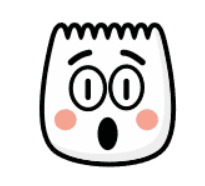
Meaning: A dumpling-shaped face showing genuine, impressed awe.
Best Use Case: Reacting to a high-skill talent, like a professional artist’s time-lapse or an incredible athletic feat.
3. [hehe]
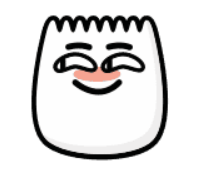
Meaning: A sneaky, mischievous giggle.
Best Use Case: When you’re “in” on the joke. It’s the perfect response to a prank video or a clever pun.
4. [cute]
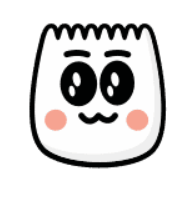
Meaning: Wide-eyed, innocent appreciation.
Best Use Case: Anything aesthetically pleasing or “kawaii”—think stationery hauls, cozy desk setups, or tiny baking.
5. [excited]
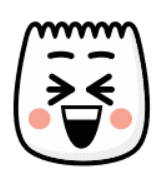
Meaning: High-energy joy (the TikTok version of “XD”).
Best Use Case: When your favorite creator announces a tour, a book release, or a long-awaited sequel video.
6. [smileface]

Meaning: A wide-eyed, slightly suspicious-looking grin.
Best Use Case: Use this playfully when someone is being a bit “shady” or when you’re “calling out” a creator in a funny, lighthearted way.
7. [laugh]

Meaning: A classic, squinty-eyed laughter.
Best Use Case: Your “bread and butter” reaction for any funny, relatable meme or a quick-witted reply in the comments.
8. [cool]
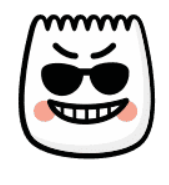
Meaning: Sassy confidence or effortless approval.
Best Use Case: When someone pulls off a difficult transition or drops a “hard” outfit transition.
9. [funnyface]
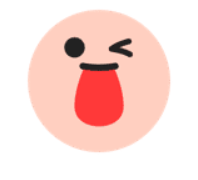
Meaning: A pink face winking with its tongue sticking out.
Best Use Case: When you’re being silly, making a joke yourself, or reacting to a “fail” video that isn’t too serious.
10. [joyful]
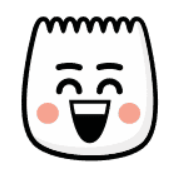
Meaning: A bright, content face with closed eyes.
Best Use Case: Expressing genuine satisfaction or “vibing” with a video (e.g., a calming ASMR video or a beautiful travel vlog).
11. [loveface]
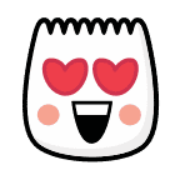
Meaning: The TikTok-native “Heart Eyes.”
Best Use Case: Showing intense admiration for a creator’s outfit, makeup, or a particularly cute baby/animal video.
12. [yummy]
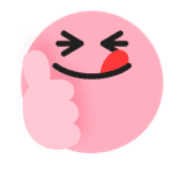
Meaning: Approval of food or “tasty” content.
Best Use Case: Use exclusively on #FoodTok. Whether it’s a 15-minute pasta or an elaborate cake, this is the “Chef’s Kiss” of emojis.
13. [drool]
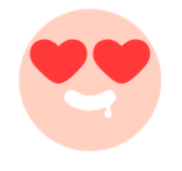
Meaning: A face with heart eyes and a bit of drool.
Best Use Case: Exclusively for things you crave. Use it on #FoodTok for a gooey pizza or when a creator drops a piece of “must-have” tech.
14. [surprised]
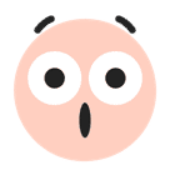
Meaning: A peach face with wide eyes and a dropped jaw.
Best Use Case: The perfect reaction for “Part 2” reveals or unexpected plot twists in a storytime.
15. [laughwithtears]
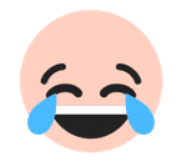
Meaning: A pink face with closed eyes, a wide smile, and two blue tears.
Best Use Case: This is the TikTok-native version of the “LOL” emoji. Use it for anything that actually makes you laugh out loud.
The Niche & Character Set
For when you need a specific “vibe” that a standard yellow circle can’t provide.
1. [evil]
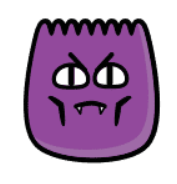
Meaning: Mischievous intent or “villain era” energy.
Best Use Case: When you’re planning a harmless prank or admitting to a “relatable” toxic trait (like “accidentally” eating your roommate’s snacks).
2. [angel]

Meaning: Innocence or “I did nothing wrong.”
Best Use Case: When you’re jokingly defending yourself in a story or giving a genuinely wholesome, pure-hearted compliment.
3. [nap]
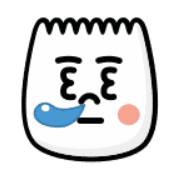
Meaning: Tiredness, boredom, or “I’m out.”
Best Use Case: Late-night scrolling comments (“It’s 3 AM, why am I watching a rug-cleaning video? [nap]“) or reacting to a long, boring rant.
4. [proud]
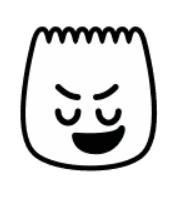
Meaning: A smug, self-satisfied smirk.
Best Use Case: When you predicted a plot twist correctly or when you’ve successfully finished a difficult DIY project.
5. [awkward]
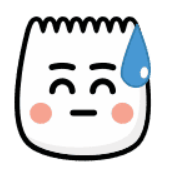
Meaning: The “nervous sweat” reaction.
Best Use Case: When a video makes you physically cringe, or when you’re admitting to an embarrassing story in the comments.
6. [shock]
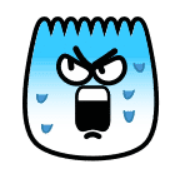
Meaning: Blue-tinted, extreme terror or surprise.
Best Use Case: Jump-scares, horror movie trailers, or when a creator reveals a truly “unhinged” fact about their life.
7. [thinking]
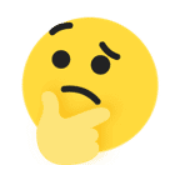
Meaning: Pondering, doubt, or “plotting.”
Best Use Case: When a creator asks for your opinion, or when you’re jokingly questioning the logic of a DIY “hack.”
8. [greedy]
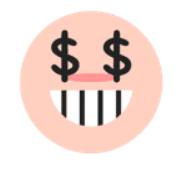
Meaning: A face with dollar signs in its eyes.
Best Use Case: Commenting on a video about winning the lottery, a massive shopping haul, or a “side hustle” that actually works.
9. [complacent]

Meaning: A blue face with sunglasses and a smug, chill smile.
Best Use Case: The “effortless cool” reaction. Use it when you’ve successfully pulled off a trend or when you’re showing off a “subtle flex.”
10. [wronged]
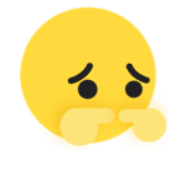
Meaning: The iconic “shy fingers” (🥺👉👈) pose.
Best Use Case: When you’re asking for a favor (e.g., “Can you link your outfit? [wronged]“) or feeling shy about your own content.
11. [embarrassed]
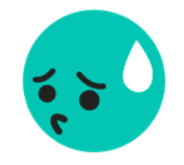
Meaning: A teal/blue-green face looking downward with a single drop of sweat on its brow.
Best Use Case: When a video is so “cringe” you can’t look away, or when you’re sharing an awkward “storytime” of your own.
12. [scream]
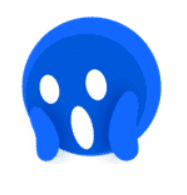
Meaning: A pale blue face with hands on its cheeks and a wide-open mouth.
Best Use Case: Essential for #HorrorTok or reacting to jump-scares and shocking news.
13. [wicked]
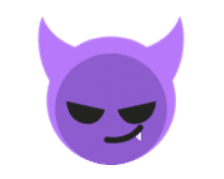
Meaning: A purple face with a wide, toothy grin and small horns.
Best Use Case: When you’re admitting to a “guilty pleasure” or planning a lighthearted prank on a friend in the comments.
14. [pride]
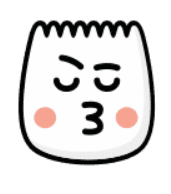
Meaning: A dumpling face with a kissy mouth, one raised eyebrow, and a smug look.
Best Use Case: Use this for “Main Character Energy.” It’s perfect for showing off a successful DIY, a high test score, or a flawless outfit.
Troubleshooting and Bonus Tips
Even if you do everything right, there are a few reasons why a code might not appear.
- App Version: Ensure your TikTok app is updated. Older versions might not support the full 46-icon set.
- Regional Locks: While rare, some specific codes are occasionally rolled out to certain regions before others.
- Comment Filtering: If a creator has filtered certain keywords, your bracketed text might be caught in their spam filter before it ever has a chance to render.
- Keyboard Replacements: Pro Tip! Go to your phone’s settings (General > Keyboard > Text Replacement). Set a shortcut
;smileto change automatically[smile]. This saves you from typing the brackets every time!
Conclusion: Master the TikTok Emoji Codes
Using secret emojis is more than just a fun trick; it’s a way to integrate yourself into the platform’s community culture. It makes your profile look more professional, “native,” and visually interesting.
TikTok is known for dropping new features without warning. Keep an eye on trending comment sections for any new bracketed codes. On top of creating content for TikTok, using these fun little updates can help you better engage with your audience.
Moreover, never miss posting on TikTok by scheduling your content well in advance and stay consistent using Predis TikTok scheduler.
Don’t try to memorize all 46 at once. Copy the Cheat Sheet above into your phone’s “Notes” app so you can grab the perfect reaction during your next late-night scroll session.
Frequently Asked Questions
First, ensure the code is entirely lowercase (e.g., [smile] not [Smile]). Second, check that you used square brackets [] and not parentheses () or braces {}. Finally, if you are on an outdated version of TikTok, the app’s rendering engine might not recognize the newer codes.
Yes! These emojis work very well on Desktop and in the mobile app.