
In the digital age, language moves faster than ever. A word can start in a niche hobby and, within a few years, become a foundational part of how we describe human behavior. No term illustrates this better than NPC. But what is its meaning?
Whether you’ve seen it as a scathing insult on X (formerly Twitter), a hypnotic livestream on TikTok, or a core mechanic in your favorite video game, the “Non-Player Character” has stepped out of the background and into the spotlight.
So, What Does NPC Actually Stand For?
At its most basic, NPC stands for Non-Player Character.
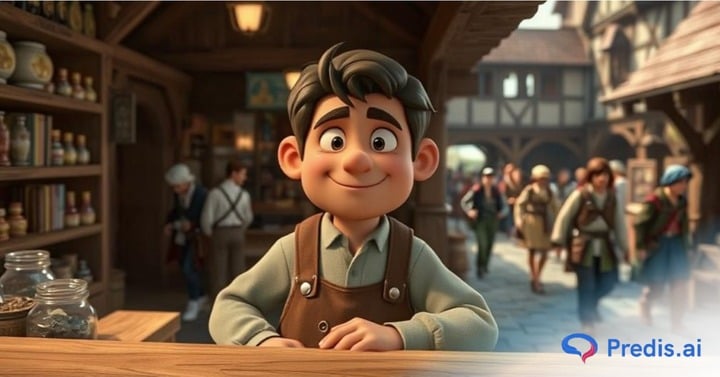
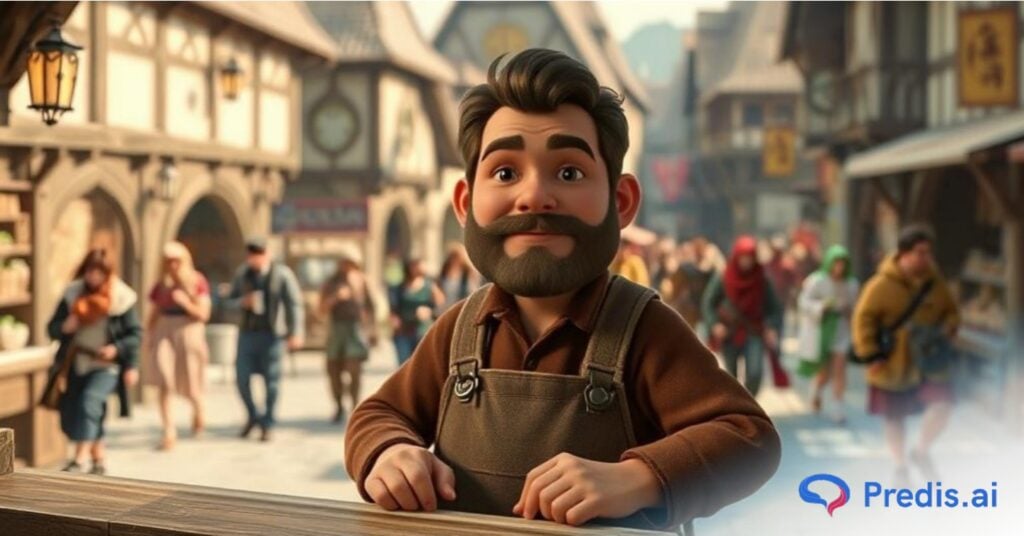
In the simplest terms, an NPC is any character in a game that isn’t controlled by you or another human being. They are the digital “extras” of a virtual world. While you are the hero—the one making choices, swinging the sword, or driving the car—the NPCs are the shopkeepers, the town guards, and the bustling crowds that make the world feel alive.
A Quick Origin Story
The term wasn’t born in a high-tech lab; it was born on a tabletop. In the 1970s, Dungeons & Dragons players needed a way to distinguish between the “Player Characters” (PCs) and the characters controlled by the Dungeon Master. When gaming moved from the table to the screen, the term followed.
The Core Concept
The defining feature of an NPC is a lack of agency. They exist within a world but don’t “live” in it the way a player does. These characters follow a loop. They are programmed to react, not to initiate.
Understanding this technical definition is vital because it provides the “DNA” for every meme and social media trend that follows. When we call a human an NPC today, we are essentially saying they are following a pre-written script.
NPC meaning in Gaming
To understand the insult, you have to understand the role. In gaming, NPCs serve very specific, functional purposes.
The Roles They Play
- The Shopkeeper: They stand behind a counter 24/7. They have three lines of dialogue. They exist only to buy your loot and sell you potions.
- The Quest-Giver: They stand in the town square with an exclamation point over their head. No matter what is happening in the world, their only concern is that you find their lost sheep.
- The Background Crowd: In games like Grand Theft Auto or Assassin’s Creed, these characters wander the streets. If you bump into them, they might say “Hey!” or “Watch it!”, but they have no interior life.
The Defining Trait: The Script
The most recognizable thing about an NPC is that they follow a fixed script. In Minecraft, villagers hmmm and haw while wandering. In Skyrim, a guard might tell you he “used to be an adventurer like you, then took an arrow to the knee” for the thousandth time.
They cannot deviate, learn, or feel. They are essential to the atmosphere, but they are never, ever the “main character.”
How NPC Jumped from Games to the Internet
Around 2018 and 2019, something shifted. “NPC” stopped being a technical term and started being a cultural metaphor.
The Cultural Leap
Gamers began noticing that some people in real life seemed to behave just like programmed characters. They saw people who appeared to repeat the same political slogans, buy the same clothes, and react to news cycles with the same pre-packaged outrage.
Calling someone an NPC became a way to say: “You aren’t thinking for yourself. You’re just playing a role in someone else’s script.” It was the digital age’s version of calling someone a “sheep” or a “drone,” but with a much more modern, relatable bite.
What Does NPC Mean on Social Media Today?
Today, the term has moved beyond its political origins and has become a general shorthand for conformity.
Calling Someone an NPC
On social media, calling someone an NPC implies they have low originality. If someone posts a video doing a dance that 5,000 other people have already done, the comments might be flooded with “Literal NPC behavior.” It’s a critique of “going through the motions.”
The Ironic Twist: The “NPC Aesthetic”
Interestingly, the internet has a way of making everything weird. Some creators have started leaning into the “NPC aesthetic.” They dress in plain, “normcore” clothing and act with robotic precision. By embracing the label, they turn the insult into a performance.
Platform Breakdown
- Twitter/X: Usually used as a sharp political or intellectual insult.
- TikTok: Used to describe repetitive trends or specific “glitchy” physical movements.
- Instagram: Often used in the context of “Main Character Energy” (more on that later).
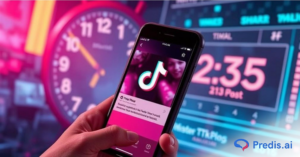
The NPC TikTok Trend: “Ice Cream So Good!”
In 2023, the term took its most bizarre turn yet: NPC Livestreaming.
The Viral Format
Creators pioneered a style of livestreaming where they act like a video game character in a “standby” animation. They only react when viewers send “gifts” (which cost real money).
- If a viewer sends an “Ice Cream” sticker, the creator says: “Mmm, ice cream so good!” * If they send a “Rose,” the creator might say: “Thank you for the roses!”
Why It Blew Up
It is hypnotic, repetitive, and—crucially—highly profitable. It turns the creator into a literal human vending machine. It’s a fascination with the “uncanny valley,” where a human tries to look and act as much like a programmed object as possible.
The Cultural Commentary
This trend is the ultimate evolution of monetization. It highlights how social media can turn personality into a series of predictable, repeatable transactions.
NPC vs. Main Character Energy: Two Sides of the Same Coin
You cannot talk about NPCs without talking about Main Character Energy.
While “NPC” is an insult about being a background character, “Main Character Energy” is a trend about romanticizing your own life. It’s about being the protagonist of your own movie—walking through the rain with headphones on, wearing bold outfits, and making choices that center your narrative.
The Irony
The irony is palpable: to go viral for being an NPC on TikTok, you actually need massive amounts of Main Character Energy. It takes a huge amount of confidence and “protagonist” drive to stand in front of thousands of people and pretend to be a mindless robot.
Both trends represent our obsession with identity and authenticity in a world that feels increasingly simulated.
Is Being Called an NPC Always an Insult?
While the term carries a lot of baggage, its meaning is starting to shift again.
The Negative Connotation
At its worst, the NPC label is dehumanizing. It suggests that the person you are talking to doesn’t have a soul or a brain. It’s a way to shut down conversation by deciding the other person isn’t “real” enough to listen to.
The Reclaimed Angle: “Just Vibing”
However, some people are reclaiming it. There is a growing movement of people who want to be NPCs. Why? Because being the “Main Character” is exhausting.
- The NPC is unbothered.
- The NPC has no drama.
- The NPC is just there to enjoy the scenery.
In a world of constant pressure to be “unique” and “viral,” there is a quiet peace in just being a background character who is “just vibing.”
How Brands and Marketers Are Using the NPC Trend
If there’s a trend, you can bet a marketing department is trying to figure out how to sell it.
Savvy Marketers
Brands like Duolingo or RyanAir, known for their chaotic social media presences, have tapped into NPC culture. They use the language and the visual cues of NPCs to show they are “in on the joke.” By acting like a self-aware NPC, a brand can actually seem more human.
The Risk of “Cringe”
The danger for brands is “trying too hard.” If a brand uses the term “NPC” incorrectly or is late to the party, they look like the very thing they’re trying to avoid: a programmed entity following an outdated script.
Frequently Asked Questions
It usually means they think you are unoriginal, following a crowd, or lacking critical thinking—essentially acting like a programmed character.
It’s a type of livestream where creators act like video game characters, repeating specific catchphrases and movements in response to viewer gifts.
Usually, yes. However, it can be used ironically or as a way to describe someone who is “just vibing” and staying out of drama.