


When crafting a strong brand identity, one essential aspect to consider is integrating brand elements. These elements play a crucial role in conveying a brand’s message and values to its target audience. By effectively tying together brand elements, a brand can establish a distinctive identity that resonates with consumers.
In this blog, we will delve deep into how you can use brand elements to create a brand identity that resonates with your audience. So, let’s get started!
The Building Blocks of a Brand
Brand elements are the fundamental components that shape a brand’s visual, auditory, and olfactory identity. In simpler terms, these elements are like building blocks that work together to establish a brand’s unique identity and differentiate it from competitors.
The “Lego” Metaphor:
To better understand brand elements, let’s use the “Lego” metaphor. Just like how individual Lego bricks come together to create a cohesive structure, brand elements combine to form the brand identity, which is like the final Lego castle. Each element plays a crucial role in constructing the overall brand image.
In this analogy, brand elements are the tools a brand uses to communicate its values, personality, and offerings to its audience. They encompass everything from logos, colors, and typography to sounds.
What is Brand Identity?
While brand elements serve as the building blocks, brand identity is the emotional connection and perception they evoke in consumers. It’s the overall feeling that people associate with the brand based on its elements.
Just as a well-constructed Lego castle can evoke a sense of wonder and excitement, a strong brand identity created from cohesive brand elements can resonate with customers and build brand loyalty.
The Big 6: Key Brand Elements in the Forefront
When it comes to establishing a strong brand identity, the “Big 6” key elements play a crucial role in creating a memorable and impactful brand presence. Each element contributes uniquely to the overall perception of a brand, helping it stand out in a crowded market.
1. The Visual Anchor (Logo & Marks):
A primary logo acts as the face of your brand, instantly recognizable and memorable. Complementing it with a wordmark enhances brand recall, while a simplified social media icon ensures consistency across various platforms.
2. The Psychology of Color:
Color psychology is a powerful tool in evoking emotions and influencing consumer behavior. Choosing a color palette that resonates with your brand values and triggers the right emotional response is essential. For instance, red conveys urgency and energy, while gold exudes luxury and sophistication.
3. Typography & Hierarchy:
Typography plays a significant role in conveying the personality of your brand. Whether you opt for a classic serif font or a modern sans-serif, it must align with your brand voice and message. Establishing a clear hierarchy ensures that essential information stands out while maintaining visual harmony.
4. Imagery & Photography Style:
Consistent imagery and photography style help create a cohesive brand aesthetic. Whether you prefer high-contrast, candid shots, or minimalist visuals, maintaining a distinct “look” ensures that your brand is easily recognizable even without a logo.
5. The Brand Voice & Vocabulary:
Defining your brand’s persona through words is crucial in shaping how consumers perceive your brand. Are you the relatable “Expert Friend” or the authoritative “Voice of Reason”? Your brand voice and vocabulary should align with your target audience and brand values.
6. The Modern Additions:
Staying ahead of the curve means embracing upcoming trends in brand identity. Incorporating elements like Sonic Branding, where sound becomes a part of your brand experience (Eg, Netflix), and focusing on enhancing UI/UX interactions to create a seamless and engaging user journey are vital considerations for 2026 and beyond.
By focusing on these key brand elements and weaving them together cohesively, you can create a strong and memorable brand identity that resonates with your audience and sets you apart in the competitive marketplace.
The Difference: Brand Identity vs. Image
When it comes to building a strong brand, understanding the difference between brand identity and brand image is crucial.
Brand Identity
Identity is what you create – it encompasses the elements, the strategy, and the intent behind your brand.
Brand Image
On the other hand, brand image is how your customers perceive your brand – it’s all about the reputation and the vibe they associate with it.
The Bridge
Your brand identity serves as the foundation for your brand image. By choosing the right elements thoughtfully, you can ensure that the image you project aligns with your identity. This alignment is key to building trust and loyalty with your target audience.
To tie brand elements into a strong brand identity, start by defining your brand values, mission, and vision. These core aspects will guide the development of your brand elements such as logo, color palette, typography, and messaging. Consistency across these elements is essential to creating a cohesive brand identity that resonates with your audience.
Why Cohesive Elements Matter for Growth
In the competitive market landscape, cohesive brand elements play a crucial role in driving growth and establishing a strong brand identity. Let’s delve into why these elements matter and how they contribute to brand success:
Cognitive Ease: Making it easy for customers to remember you in a crowded market
Cognitive ease is all about creating a seamless experience for your customers, making it effortless for them to recall and recognize your brand. By maintaining consistency across your brand elements such as logo, color schemes, and fonts, you enhance brand recall value. This, in turn, boosts customer loyalty and encourages repeat purchases.
Consistency = Trust: Why a brand that looks the same on Instagram as it does on its packaging wins more sales
Consistency breeds trust. When your brand maintains a uniform look and feel across various touchpoints like Instagram, packaging, website, and advertising materials, it builds credibility and reliability in the eyes of your target audience. A cohesive brand image instills confidence in consumers, leading to increased sales and brand advocacy.
Scalability: How a strong set of elements makes it easier to launch new products quickly
A robust set of brand elements simplifies the process of launching new products or services. When your brand identity is well-defined and cohesive, introducing new offerings becomes smoother and more efficient. Consumers readily accept new products under a familiar brand umbrella, leveraging the trust and recognition established by existing cohesive elements.
How to Tie Elements into a Strong Identity (The Process)
While establishing a robust brand identity, it’s crucial to tie all elements together seamlessly. Let’s delve into the process of creating a cohesive brand identity that resonates with your audience and reflects your core values.
1. Start with the “Why”:
Begin by aligning every brand element with your core mission. Your logo, color scheme, typography, and imagery should all reflect the essence of your brand. This alignment ensures consistency and helps convey a clear message to your target audience.
2. Audit for Harmony:
Conduct a thorough audit to ensure that all elements work in harmony. Check that your bold fonts complement rather than clash with your soft color palette. Consistency in design elements creates a sense of cohesion and professionalism across all brand touchpoints.
3. The “Squint Test”:
Imagine removing your logo – would people still recognize your brand based solely on color and typography? This “Squint Test” is a quick way to assess the strength of your brand elements. A strong brand identity should be instantly recognizable, even without the logo.
Let us look at the following example by Cadbury Gems. Here you can identify the brand even if the logo is not in your direct line of sight. Why? Because of the characteristic rich purple color that Cadbury has made theirs.

4. Create the Brand Style Guide:
A brand style guide acts as the blueprint that glues everything together for your team. It outlines the correct usage of logos, colors, fonts, and other design elements to maintain brand consistency across all communication channels. A well-crafted style guide empowers your team to create cohesive brand assets that reinforce your brand identity.
By following these steps and incorporating your brand’s values into every design decision, you can tie all elements into a strong brand identity that resonates with your audience and sets you apart in a competitive market.

5 Brand Identity Mistakes to Avoid
Brand Elements play a crucial role in shaping a strong Brand Identity. However, there are common mistakes that businesses make that can hinder their brand’s success. Let’s explore 5 Brand Identity Mistakes to Avoid:
1. Element Overload: One of the common mistakes is using too many colors or fonts that compete for attention.
2. Generic Choices: Opting for “safe” elements that make you blend in with competitors can dilute your brand’s uniqueness.
3. Lack of Adaptability: Your brand elements should be adaptable across various platforms and devices. Elements that look great on a billboard might not translate well on a mobile screen.
4. Ignoring the Context: It’s essential to consider the cultural and demographic context when designing brand elements. Elements that work well in one market may not be well-received in another.
5. Trend-Hopping: While it’s tempting to follow design trends, it’s crucial to balance between staying current and maintaining a timeless brand identity.
By steering clear of these Brand Identity Mistakes, you can create a cohesive and impactful brand identity that resonates with your audience and sets you apart from competitors. Remember, consistency, originality, and adaptability are key components in building a strong brand identity.
Brand Identity Examples
Brand identity is crucial in differentiating a company from its competitors. Let’s delve into some brand identity examples that showcase the mastery of elements.
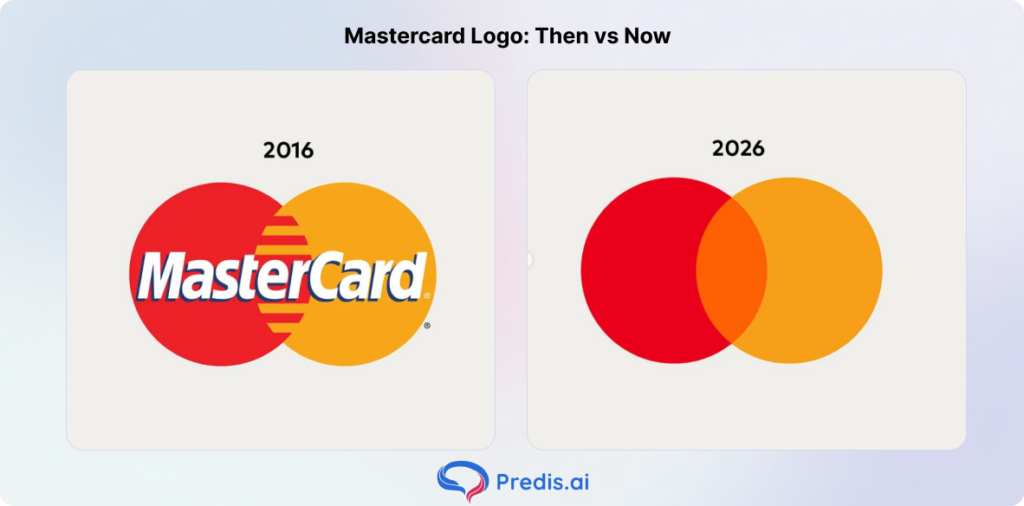
1. Mastercard: Known for its iconic logo, Mastercard successfully transitioned to just two overlapping circles. This move exemplifies the power of visual simplicity in brand recognition. By streamlining its logo, Mastercard maintained a strong brand presence while enhancing visual appeal.
2. Coca-Cola: A classic example of brand identity, Coca-Cola demonstrates how the strategic use of a single color and a unique “Spencerian” script can leave a lasting impression. The red color and distinctive font are instantly recognizable worldwide, reinforcing brand recall and loyalty.
Check out this social media post by Coca-Cola. The logo? Non-existent! Yet, you will recognize their brand from miles away, because of the partial name display and the iconic red color.

3. Tiffany & Co: Tiffany & Co shows us how a single element, such as their signature blue color, can define an entire luxury identity. The specific shade of blue used by Tiffany & Co has become synonymous with elegance and sophistication, creating a strong brand association in the minds of consumers.
Another example, where you can recognize the brand even though there is no logo on the post, thanks to the brilliant shade of blue that we all associate with Tiffany and Co.

These brand identity examples underscore the importance of mastering elements to create a cohesive and impactful brand identity. By carefully selecting and leveraging key elements, companies can establish a strong brand presence that resonates with their target audience.
Best Practices for Maintaining Your Brand Identity
In order to tie brand elements together into a strong brand identity, it is essential to follow best practices for maintaining your identity effectively. These practices aim to ensure consistency, coherence, and relevance in portraying your brand to the world.
1. Centralize Your Assets
Centralizing your assets is crucial in this process. By utilizing a “Brand Hub” where all brand assets are stored, accessed, and managed, you can streamline and organize the brand elements for easy reference and application.
2. Train Your Team:
Training your team plays a significant role in maintaining a strong brand identity. It is imperative to educate and empower your employees on the brand’s values, personality, and tone of voice. By ensuring that customer service representatives speak in the “Brand Voice,” you can deliver a consistent brand experience to customers, building trust and loyalty.
3. Review and Evolve:
Regularly reviewing and evolving your brand elements is key to staying relevant and competitive in the ever-changing market landscape. While it is essential to preserve your brand heritage, it is equally important to adapt and tweak elements to resonate with the evolving consumer preferences and trends.
The Brand Element Integration Checklist
When it comes to creating a strong brand identity, integrating brand elements is key. Here’s a checklist to ensure your brand elements are cohesive and impactful:
1. The “Vibe” Check:
- Align your visuals with your brand values to evoke the right emotions.
- Ensure that your imagery, color palette, and overall design reflect the essence of your brand.
2. Accessibility:
- Check the accessibility of your brand elements, including high-contrast colors and legible fonts.
- Make sure that your visuals are inclusive and can be easily understood by all audiences.
3. Versatility:
- Test the adaptability of your logo by seeing if it works effectively in black and white.
- A versatile logo ensures that your brand remains recognizable across various platforms and media.
4. Consistency:
- Maintain a consistent brand voice across all channels, from LinkedIn to TikTok.
- Consistency in messaging helps build trust and recognition among your target audience.
5. Documentation:
- Keep your Style Guide updated and easily accessible to all team members.
- A comprehensive Style Guide ensures that everyone involved in brand communication follows the same guidelines.
By following this brand element integration checklist, you can tie all aspects of your brand identity together cohesively, creating a strong and memorable brand presence.
Conclusion
By carefully weaving together all the brand elements into your brand identity, you can effectively communicate your brand’s story, values, and personality to your target audience.
This holistic approach not only differentiates your brand from competitors but also creates a memorable brand experience that resonates with consumers on a deeper level.
But this is easier said than done, because sometimes designing such content means you need designers, writers, and more. But with Predis AI, you can do all this on your own!
Just add your brand elements to their site, give your prompt, and hit generate. And that is all you need to make content that aligns with your brand identity.
So sign up today to Predis AI and get started with making posts using an AI social media post generator!
Frequently Asked Questions
Brand elements encompass the visual and auditory components that make up a brand’s identity. These include the logo, color palette, typography, imagery, and messaging that collectively represent a brand to its audience.
Brand elements play a crucial role in shaping brand identity by creating a consistent and recognizable brand image. They help convey the brand’s personality, values, and offerings to consumers, fostering trust and loyalty.
Consistency in brand elements helps reinforce brand recall and recognition. When customers consistently encounter cohesive brand elements across various touchpoints, it reinforces the brand’s identity in their minds, leading to better brand awareness and recall.
Businesses can establish a strong brand identity by conducting thorough market research to understand their target audience, defining their brand values and positioning, and creating cohesive brand elements that align with their brand strategy.