

The marketing world of 2026 has reached a tipping point. Consumers no longer just ignore traditional ads; they actively distrust them. With the rise of deepfakes and over-polished AI imagery, the “Authenticity Gap” has widened.
Enter User-Generated Content (UGC). According to 2026 research, 93% of marketers report that UGC outperforms brand-created content, and Gen Z relies specifically on user-generated videos to make purchase decisions. We have moved from the “Influencer Era” into the “Community Era,” where the voice of the customer is the most powerful growth engine a brand can possess.
What is User-Generated Content (UGC)?
At its core, UGC is any form of content—be it a video, a photo, or a written review—created by people rather than brands.
It is “social proof in action.” It’s the digital equivalent of a friend leaning over and saying, “You have to try this.”
According to the Edelman Trust Barometer, consumers view “people like themselves” as the most credible source of information, far above CEOs or celebrity spokespeople.
While “professional UGC creators” (people hired to create relatable content) are a massive industry in 2026, the term also encompasses organic, unsolicited posts from your everyday customers.
The Core Types of UGC
To build a successful strategy, you must understand the different formats. Each serves a unique purpose in the customer journey:
Reviews and Testimonials
The backbone of trust. In 2026, 95% of shoppers read online reviews regularly.
A product with just five reviews is more likely to be purchased than one with none. These can be star ratings on a website, detailed feedback on Google Reviews, or “video testimonials” where a customer speaks directly to the camera about their experience.
Photos
Nothing beats “in-the-wild” imagery. While a professional studio shot shows what a product could look like, a UGC photo shows what it actually looks like.
A customer wearing your apparel in a messy living room or using your kitchen gadget at 7 AM on a Monday creates a level of relatability that a model in a studio cannot replicate.
Videos
The undisputed “King of Content” in 2026. Short-form video (TikToks, Reels, and YouTube Shorts) is the highest-converting format today.
High-performing UGC videos follow a “problem-solution” narrative: The Hook (1–2 seconds), the Struggle (the problem), the Solution (your product), and the Result (the happy ending). The shorter the video, the better, since it has the highest rate of engagement.
Social Media Posts
Tagged Instagram Stories, X (Twitter) threads, and Reddit discussions act as real-time endorsements.
When a user tags a brand, they are exposing that brand to their personal network—a circle that already trusts their opinion, and it is a good option for UGC.
Blogs and Articles
Long-form UGC, such as a fan-written “How-to” guide or a guest post on a niche hobby site, provides deep-funnel educational value. These pieces often rank for “long-tail” keywords that your official brand site might miss.
Why UGC is the Most Critical Marketing Pillar
Why are brands shifting 30–50% of their creative budgets to UGC in 2026?
- Trust & Credibility: It closes the “skepticism gap.” 80% of people trust UGC more than traditional ads.
- Cost-Effectiveness: UGC can reduce content creation costs by up to 30%. Instead of a $50k photoshoot, you can source 100 authentic assets for a fraction of the price.
- SEO & Search AI: Modern AI-driven search engines prioritize “Real World Signals.” If people are talking about you in reviews and blogs, search engines see you as a high-authority brand.
- Higher Engagement: Social campaigns featuring UGC see higher engagement because the content doesn’t “look like an ad.”
High-Impact Examples of UGC Success
- GoPro: Their entire YouTube strategy is built on user footage. By simply providing the tool, they let their customers create the world’s most exciting commercial for free.

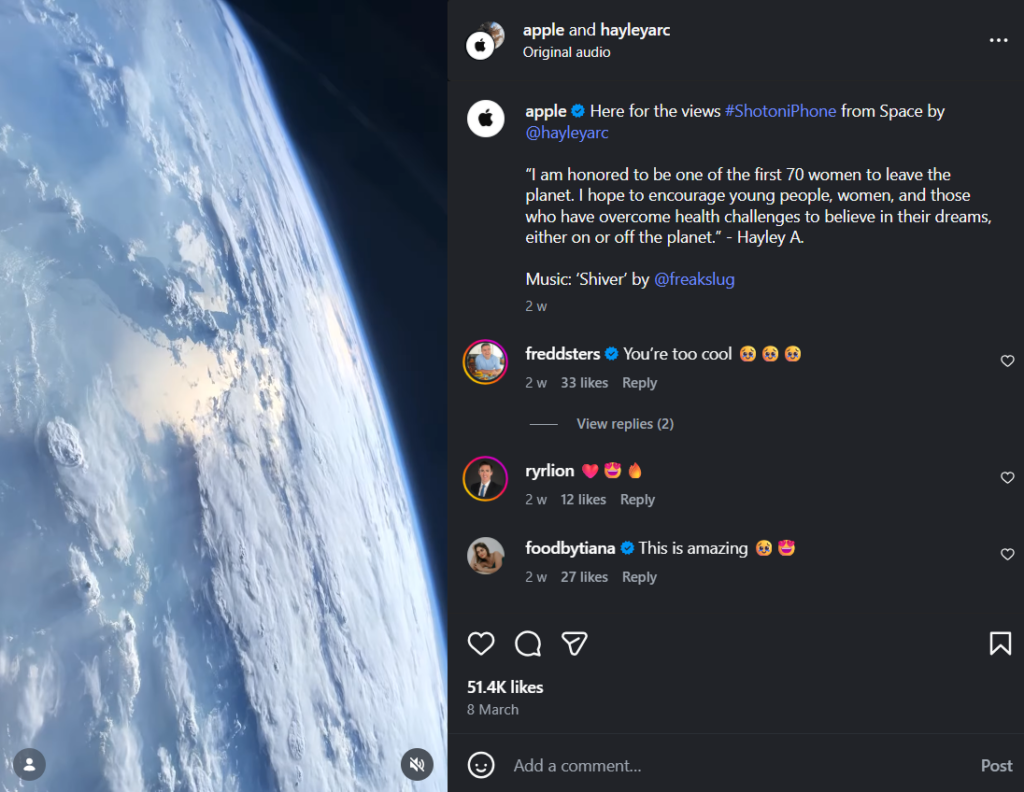
- Apple’s #ShotOniPhone: This campaign proved that you don’t need a professional camera to create art. By showcasing user photos on billboards, Apple turned its customers into global ambassadors.
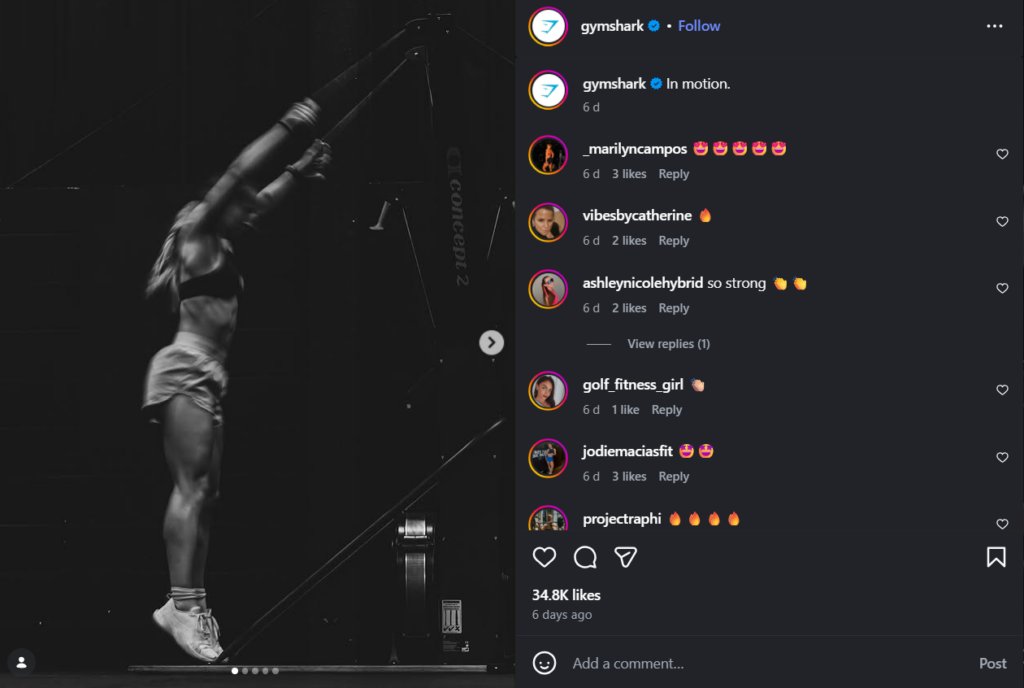
- Gymshark: They built a billion-dollar empire not through TV ads, but by reposting videos of real fans working out in their gear.
UGC vs. Influencer Marketing: When to Choose What?
The biggest mistake brands make is thinking these are the same.
- Influencer Marketing: You are paying for Reach. It is a “top-of-funnel” move to get your brand in front of a new audience. It is often polished and aspirational.
- UGC: You are paying for Trust and Content. You use these assets on your own channels (website, ads, emails) to convert people who already know about you.
UGC-led ads drive higher click-through rates (CTR) and have a better ROI than standard influencer posts because they feel more human. So, if you are looking to improve the authenticity of your brand, then UGC is the way to go!
How to Use AI in UGC creation?
Think of traditional UGC as hiring a freelance videographer: you have to send them the product, sign a contract, and wait weeks for them to film and edit. It’s slow and expensive.
AI changes this by letting you turn a website link into a video in minutes. With a tool like Predis.ai, you paste your product URL, and the AI writes the script, picks a digital “person” to talk, and adds background music. It’s like having an AI UGC content creator who works for $2 and never sleeps.
The biggest advantage is speed and variety. If you wanted to test 10 different “hooks” (the first 3 seconds of a video) with a real person, you’d have to pay them for 10 different shoots. With AI, you just click a button to swap the intro. While real humans are still best for deep trust, AI is a “cheat code” for pumping out a high volume of ads and social posts to see what actually makes people click.
And here is what a sample output looks like from Predis AI:

How to Encourage Your Audience to Create UGC
You cannot just wait for content; you have to facilitate it. By encouraging your customers to share pictures or videos using your products or services, you get access to an endless stream of content and a ton of brand ambassadors. But how do you make an ordinary consumer want to make content? Let us look at some ways!
- The Incentive Loop: Offer “Featured Creator” status, loyalty points, or early access to new drops in exchange for a video review.
- Packaging QR Codes: In 2026, smart brands put QR codes directly on their shipping boxes that lead to a “30-second video upload” portal. This reduces friction in creating and posting content.
- Branded Hashtags: Give people a reason to join a movement (e.g., #MyMorningRoutine) rather than just “tagging a brand.”
Best Practices for High-Converting UGC
Even when you don’t want exceptional quality videos as UGC (which may be inauthentic), you still need some quality standards for the content you repost. So, here are some best practices you need to look out for the next time a UGC creator sends in a submission.
- Keep it “Lo-Fi”: Don’t over-edit. If a video looks too professional, it loses the “UGC feel” and starts looking like a corporate ad.
- The 2-Second Hook: In the age of infinite scrolling, your UGC must grab attention immediately with a relatable question or a visual “wow” factor.
- Diversify Your Creators: Ensure your UGC features a wide range of ages, body types, and backgrounds to reflect your actual customer base.
- Get consent from the creators: Always get explicit consent from your creators before reposting them. Written agreements are also good.
- Mention the creator: Take a couple of seconds to tag and thank the creator in the caption or comments as a courtesy to them. This goes a long way when it comes to building relationships.
Challenges in the UGC Space
UGC is not a bed of roses. Like the immense benefits it offers, there are a few challenges that brands have to cross to ensure their brand reputation is not tarnished.
- Legal Rights & Permissions: This is the most common pitfall. Always get explicit, documented consent before using a customer’s photo in a paid ad.
- Quality Control: You can’t control the lighting in a customer’s bedroom. You must moderate and curate the best 10% of content rather than reposting everything.
- Inconsistency: UGC flow is unpredictable. Brands in 2026 use “UGC Platforms” to maintain a steady stream of content even during slow sales months.
The Future of UGC: 2027 and Beyond
We are moving toward “Interactive UGC.” Soon, you won’t just watch a customer’s unboxing video; you’ll be able to click on items within their video to “Try On” the product via AR (Augmented Reality). The line between the shopper and the marketer will continue to blur until they are essentially the same person.
Conclusion: Making UGC Your Brand’s New Default
The data is undeniable: Authenticity wins in 2026. If you want to grow, you have to stop talking at your customers and start talking with them. UGC isn’t just a content category; it’s a commitment to transparency and community. When you empower your customers to tell your story, you build a brand that is not only profitable but also trusted.
Frequently Asked Questions (FAQ)
For organic social reposts, usually no—just ask for permission. For “Professional UGC” used in paid ads, you typically pay a fee (averaging $200 per video in 2026) for the content and the usage rights.
For conversion, yes. For brand identity and high-end catalogs, you still need professional shots. The best strategy is a 70/30 split: 70% UGC for relatable marketing and 30% professional for core brand assets.
Don’t hide it. Publicly responding to a negative review with a helpful solution actually increases trust. It shows you are a real company that stands behind its products.