


In the competitive world of online retail, e-commerce display advertising plays a vital role in capturing consumer attention, enhancing brand awareness, and driving conversions. The various types of display ads are visually engaging on websites, apps, and social media platforms, enabling e-commerce businesses to showcase their products to potential customers at different stages of their purchasing journey.
Whether you’re looking to attract new shoppers, re-engage past visitors, or promote special offers, display advertising can be a game-changer for your marketing strategy. But what exactly is display advertising, and how does it compare to search ads? Let’s dive in.

What is Display Advertising?
Display advertising refers to visual ads such as banner ads, images, or videos appearing on third-party websites, social media, and mobile apps. Unlike search ads, which rely on keywords and appear in search engine results, display ads use advanced targeting methods like behavioral data, demographics, and retargeting to reach the right audience.
E-commerce businesses leverage display ads for e-commerce to showcase product images, promotional offers, and dynamic ads tailored to users based on their online activity. These ads are an effective way to increase brand exposure and remind potential customers about your products.
Role of display ads in the customer journey
E-commerce display advertising plays a crucial role in guiding potential customers through every stage of the buying journey—from awareness to conversion and retention. Unlike search ads, which target users actively looking for products, display advertising engages shoppers as they browse websites, social media, and apps, influencing their purchasing decisions.
- Awareness Stage: At this stage, display ads for e-commerce help introduce a brand to new audiences. Eye-catching visuals and compelling messaging create brand recognition, making potential customers aware of your products.
- Consideration Stage: Once users show interest, display ads reinforce their engagement by showcasing product benefits, customer reviews, or limited-time offers. What is display advertising if not a way to nurture leads and keep your brand top-of-mind?
- Decision Stage: Retargeting display advertising plays a key role here. By reminding users of previously viewed products or offering discounts, brands can encourage hesitant shoppers to complete their purchases.
- Loyalty & Retention: Even after a sale, e-commerce display advertising helps businesses retain customers through personalized recommendations, exclusive deals, and loyalty program promotions.
Best Practices for E-commerce Display Advertising
To maximize the effectiveness of e-commerce display advertising, businesses must follow key best practices to enhance targeting, engagement, and conversion rates. Here’s how to optimize your display advertising strategy:

1. Target the Right Audience
Audience segmentation is essential in display advertising to ensure ads reach the most relevant users. Targeted e-commerce ads on social media have proven to be one of the most effective marketing channels in recent years. If you are looking to capitalize on this marketing strategy and are looking for information on how to target e-commerce ads on social media, you are in the right place.
Instead of a broad approach, e-commerce brands should target specific customer groups based on:
- Demographics (age, gender, income, location)
- Interests & Behavior (shopping habits, engagement with similar brands)
- Past Interactions (website visits, abandoned carts, previous purchases)
AI & Machine Learning for Targeting
AI-driven platforms help brands predict user behavior and serve personalized ads accordingly. For example, Google’s Smart Display campaigns automatically optimize ad placement, creatives, and targeting to reach high-intent shoppers.
Retargeting Strategies
Retargeting is one of the most powerful benefits of display advertising. It allows businesses to re-engage users who visited their website but didn’t convert. For example, if customers view a product but don’t purchase it, dynamic remarketing ads can remind them of the item with a personalized discount.

Example: A fashion e-commerce store can retarget users who viewed a pair of sneakers by showing ads for the same sneakers along with similar products or a limited-time discount.
2. Create Visually Engaging and Mobile-Friendly Ads
High-Quality Images & Clear Messaging
Since display ads rely on visuals, using high-resolution images, bold colors, and concise copy is crucial. A strong call-to-action (CTA) like “Shop Now” or “Limited Time Offer” can drive better engagement.
Example: A beauty brand promoting a skincare line can use a visually appealing image of the product in action, accompanied by the CTA: “Reveal Your Glow – Shop Now!”
Responsive Design for Mobile Users
With mobile traffic accounting for a large share of online shopping, e-commerce display advertising must be optimized for smaller screens. Responsive design ensures ads adapt seamlessly to different screen sizes.

Example: A home decor brand using display ads should ensure that product images and text are clear and legible on mobile devices without requiring zooming or scrolling.
A/B Testing
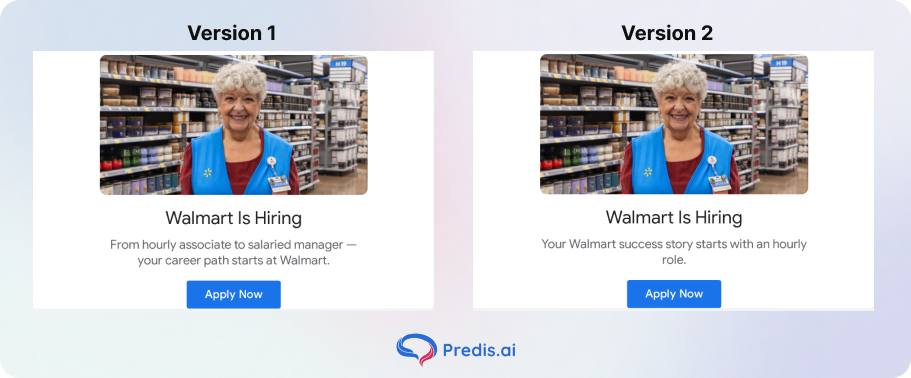
Running multiple versions of ads helps determine which design, message, CTA, or even split testing for pricing works best. Businesses should test:
- Different images (lifestyle vs. product-focused)
- Various CTA phrases (e.g., “Buy Now” vs. “Get Yours Today”)
- Color themes (bold vs. minimalistic)
3. Use Dynamic and Personalized Ads
Dynamic Product Ads for Personalization
Dynamic product ads automatically show users products they previously viewed or are likely to be interested in. This increases relevance and encourages purchases.
Example: An electronics retailer can show dynamic display ads featuring the exact laptop a user browsed earlier, along with a special financing offer.
Personalized Offers
Displaying custom promotions, such as discounts for first-time buyers or special deals for returning customers, can improve conversion rates.
Example: A pet supply store can target returning customers with ads like: “Your furry friend deserves the best! Get 10% off on your next order.”
User-Generated Content
Using customer reviews and testimonials in display ads builds trust and encourages engagement. Positive feedback from real customers can increase credibility.

Example: A fitness brand can showcase an ad with a customer review: “This running shoe changed my game! Super comfortable and stylish.”
4. Optimize Ad Placement and Bidding Strategies
Choosing the Right Ad Networks
Selecting the right platform ensures ads reach the most relevant audience. Popular ad networks include:
- Google Display Network (GDN) – Reaches over 90% of internet users across 2 million+ websites.
- Meta (Facebook & Instagram Ads) – Ideal for visually appealing product ads.
- Programmatic Advertising – Uses AI to automate and optimize ad placement in real-time.
Example: A travel accessories brand can use programmatic ads to target users who recently searched for vacation destinations.
Setting Up Automated Bidding
Smart bidding strategies, such as Target ROAS (Return on Ad Spend) or Enhanced CPC (Cost-Per-Click), help maximize ad performance while optimizing costs.
Example: An online fashion store running display ads for seasonal sales can use Target ROAS bidding to automatically adjust bids based on which placements drive the highest sales.
Using Contextual Targeting
Rather than blindly placing ads everywhere, contextual targeting ensures ads appear on websites relevant to the product.
Example: A brand selling organic food products can target food blogs and recipe websites to ensure relevance.
5. Leverage Data and Analytics for Optimization
Tracking Key Performance Metrics
Regularly monitoring Click-Through Rates (CTR), Conversion Rates, and ROAS helps assess ad effectiveness and improve future campaigns.
Example: If a brand notices high impressions but low CTR, it may need to adjust ad visuals or messaging to make them more engaging.
Utilizing Analytics
Analyzing heatmaps and user behavior helps identify which sections of an ad drive the most engagement and which need improvement.
Example: A home appliance brand may find that customers engage more with video display ads than static images, prompting them to focus more on video content.
Making Data-Driven Decisions
A/B testing and performance analysis should guide ongoing ad strategy adjustments. Brands should optimize based on:
- Which creatives perform best?
- What audience segments convert the most?
- Which placements provide the highest ROI?
Example: If a brand sees higher conversions from mobile ads compared to desktop, they may increase their mobile ad budget for better results.

Conclusion
Success in display advertising is not a one-time effort. Brands must continuously test different ad creatives, experiment with targeting options, and analyze performance metrics to refine their campaigns. A/B testing, heatmaps, and conversion tracking help in making data-driven decisions that improve ad performance over time.
When executed effectively, e-commerce display advertising is a powerful tool for boosting brand visibility and driving conversions. By focusing on audience targeting, compelling creatives, personalization, and data optimization, businesses can maximize the impact of their display ads for e-commerce and achieve sustainable growth.
Ready to elevate your ad performance? Start with Predis.ai today!
FAQ:
To make high-performing display ads, make sure to use clear visuals, messaging, a clear CTA, and consistent branding to ensure that your ads get consistent clicks and engagement
Display advertising helps your business stay relevant throughout the customer journey, like making your brand recognised, retargeting customers, and so on.
Some of the common mistakes that businesses make include: poor targeting, having too much text on the ad, unclear CTA, failing to optimize for mobile, and so on.
Related Topics:
Leverage TikTok Ads to Boost E-commerce Sales