


Explore this content with AI:
When people shop online, they often examine what others say before deciding. This is called social proof – this happens when we depend on other people’s opinions and experiences to correct our choices. On social media, social proof is a great thing because it helps brands create self-confidence and encourages customers to buy.
For companies, using social proof for Shopify, Instagram, etc to sell products on social media is a smart way to increase sales. When potential customers leave positive reviews to real people, share the admirers, or recommend a product, they feel more confident in buying it. Whether it’s a happy customer review, talks about a product, or even many choices and shares, social proof makes a brand more reliable. The more evidence people see, the more likely it is that they act.
What is Social Proof and Why Does It Matter?
Social proof is the idea that people are influenced by the actions and opinions of others. It’s a natural human behaviour—when we see others trusting a brand or product, we feel more confident doing the same. This emotional advertising effect plays a huge role in shaping buying decisions, especially on social media.
How Can Customer Reviews and Testimonials Boost Sales?
Customer reviews and testimonials are some of the most powerful forms of social proof. When potential buyers see real people sharing positive experiences, it builds trust and removes doubts. In fact, studies show that most consumers check reviews before making a purchase. A strong collection of positive feedback can make a product feel more reliable and desirable, leading to higher sales.
Tips for Showcasing Customer Reviews and Testimonials on Social Media
- Share Video Testimonials – Videos feel more personal and authentic than text reviews. Ask happy customers to record short clips sharing their experiences.
- Highlight Reviews in Posts and Stories – Turn great reviews into eye-catching Social Proof for Instagram stories. Pin the best ones to the top of your profile.
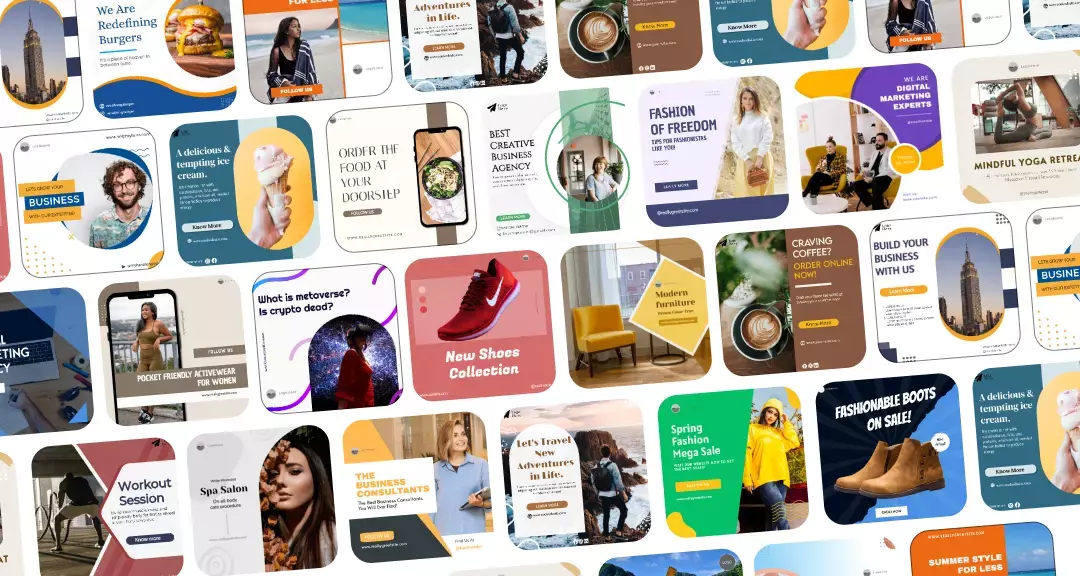
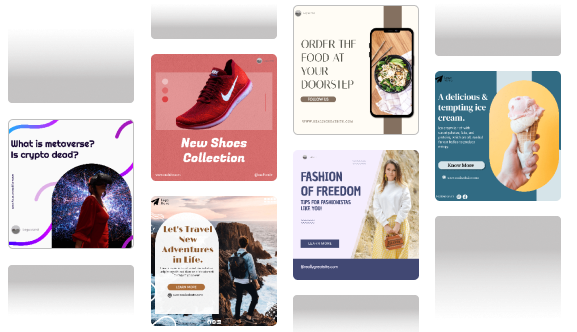
- Use Customer Quotes in Graphics – Create visually appealing images with real customer quotes and star ratings. This works well on platforms like Instagram, Facebook, and LinkedIn.
- Encourage User-Generated Content – Ask customers to share photos or videos of themselves using your product and feature them on your page.
- Leverage Social Media Comments – Screenshot positive comments and repost them as testimonials to showcase real-time feedback.
- Create a ‘Reviews’ Highlight or Section – Platforms like Instagram allow you to save stories under highlights, making it easy for new visitors to see social proof instantly.

Why Are Influencers and Brand Ambassadors Important?
Influencers and brand ambassadors play a key role in social proof to sell products on social media. People trust recommendations from those they admire, whether they are celebrities, industry experts, or everyday content creators. When influencers promote a product, their followers see it as a personal endorsement rather than just another ad. This trust and credibility make influencer marketing one of the most effective ways to boost sales.

Choosing the Right Influencers for Your Brand
- Find Influencers in Your Niche – Look for creators whose content aligns with your product or industry. A beauty influencer is ideal for a skincare brand, while a fitness coach works well for health supplements.
- Check Their Engagement Rate – An influencer with a highly engaged audience (likes, comments, shares) is more valuable than one with a large but inactive following.
- Consider Micro-Influencers – Smaller influencers (5K–100K followers) often have more engaged and loyal communities than mega-influencers.
- Look for Genuine Connections – Work with influencers who actually like your product. Authentic endorsements are more effective than paid promotions that feel forced.
- Use Brand Ambassadors for Long-Term Impact – Unlike one-time influencer campaigns, brand ambassadors build lasting relationships with your audience by consistently promoting your products.
How Can User-Generated Content Increase Engagement?
Brands create custom hashtags to encourage customers to post their experiences. You can amplify this strategy further by repurposing the best UGC into branded short-form videos. An AI reel maker makes it easy to transform customer content into polished Reels that boost both social proof and reach.
Examples of How Brands Use UGC Effectively
- Hashtag Campaigns – Brands create custom hashtags to encourage customers to post their experiences. Example: Coca-Cola’s Share A Coke campaign.
- Customer Photo Features – Fashion and beauty brands like Glossier regularly repost customer photos to showcase real-life product use.
- Review-Based Content – Companies like Airbnb share guest reviews and experiences as part of their social media content.
- Challenges and Contests – Brands like GoPro ask customers to share adventure videos for a chance to be featured.
- Story Highlights & Testimonials – Businesses save and showcase customer testimonials in Instagram Story Highlights for easy access.
What Role Do Case Studies and Success Stories Play?
Case studies and success stories are powerful forms of social proof to sell products on social media. They go beyond simple reviews by providing real-world examples of how a product or service has helped a customer. For instance, a case study highlighting how an AI proctoring system improved exam integrity, reduced cheating incidents, and streamlined remote assessments. This type of storytelling builds trust, making it easier for potential buyers to see the value of a product.

Storytelling Through Case Studies Builds Trust
- Shows Real Results – A detailed case study demonstrates how a product solves a problem, making it more convincing than a generic sales pitch.
- Creates Emotional Connections – Success stories make brands more relatable and inspire confidence in potential customers.
- Supports Decision-Making – Seeing a similar customer achieve great results reduces hesitation and increases purchase likelihood.
How to Create Compelling Case Studies for Social Media
- Keep It Short and Engaging – Social media users prefer quick, digestible content. Use short videos, carousel posts, or infographics to summarise key points.
- Highlight the Customer’s Journey – Show the “before and after” impact of your product, including challenges, solutions, and results.
- Use Real Quotes and Data – Adding customer testimonials and measurable results makes the story more credible.
- Make It Visually Appealing – Use images, charts, or behind-the-scenes footage to bring the story to life.
- Encourage Sharing – Tag customers in posts and encourage them to share their success stories, expanding your reach.
How Do Social Media Metrics and Popularity Signals Work?
Social Media marketing metrics like likes, shares, comments, and followers serve as social proof to sell products on social media. When people see a post with high engagement, they assume the content is valuable and worth their attention. This effect encourages more people to interact with the post, further boosting its visibility.
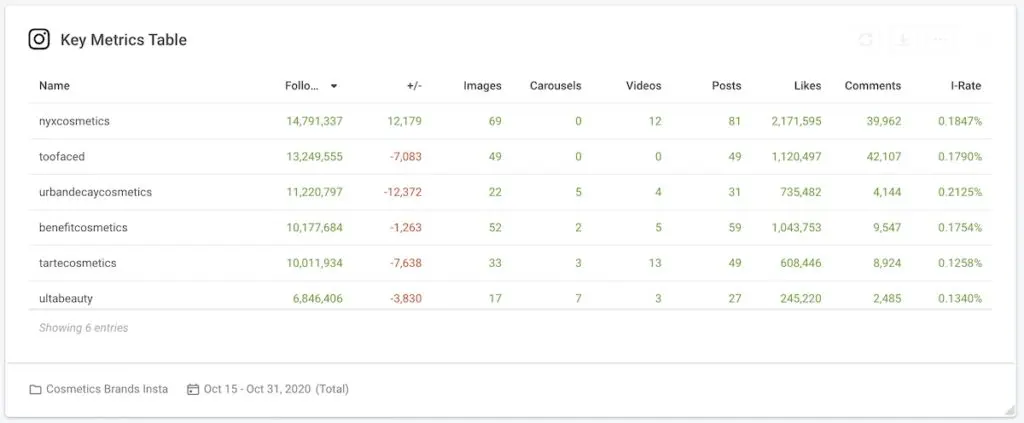
How Likes, Shares, and Comments Act as Social Proof
- Likes Show Approval – A high number of likes signals that a product or brand is popular and trusted.
- Shares Expand Reach – When users share a post, it introduces the brand to new audiences, increasing credibility.
- Comments Build Conversations – Meaningful discussions in the comments section make a brand look active and engaged with its audience.
- Follower Count Indicates Trustworthiness – A large following can make a brand appear more established, but engagement quality is more important than numbers.
Ways to Encourage Engagement for Better Visibility
- Ask Questions – Encourage comments by asking for opinions, experiences, or feedback.
- Use Call-to-Actions (CTAs) – Phrases like “Tag a friend” or “Share your thoughts below” invite users to engage.
- Post at Peak Times – Share content when your audience is most active to increase interactions.
- Leverage Trending Topics – Joining trending conversations can boost visibility and encourage shares.
- Host Giveaways and Contests – Asking users to like, comment, and share as part of a giveaway boosts engagement.
- Engage with Your Audience – Responding to comments and resharing user content makes followers feel valued, increasing their likelihood to interact again.
Why Should You Showcase Media Mentions and Awards?
Media mentions and industry awards are powerful forms of social proof to sell products on social media. When a brand gets featured in a well-known publication or wins an award, it instantly boosts credibility. Consumers tend to trust businesses that are recognised by experts, making them more likely to choose your product over competitors.

How to Integrate Media Mentions and Awards into Your Social Media Strategy
- Create Announcement Posts – Share media features and awards with an engaging caption explaining why it’s a big achievement.
- Use Branded Graphics – Design visually appealing images that highlight the recognition.
- Pin Important Mentions – Pin posts about major awards or media mentions to the top of your social profiles.
- Leverage Testimonials from Media – Quote reviews or statements from articles to reinforce credibility.
- Add Logos to Your Bio and Website – Showcasing “As Seen In” logos from well-known media outlets enhances brand trust.
- Tag the Media Outlet – Engage with journalists or publications by tagging them in your posts to increase reach
How Can Social Proof Be Used in Paid Advertising?
Using social proof to sell products on social media in paid ads can significantly improve performance. When potential customers see real testimonials, ratings, and endorsements, they are more likely to trust the product and take action. Social proof reduces hesitation and makes ads feel more authentic, leading to higher engagement and conversions.
Tips for Incorporating Social Proof in Ad Creatives
- Use Customer Testimonials – Include short quotes from happy customers in ad visuals or captions.
- Highlight Star Ratings – Displaying high ratings from platforms like Trustpilot or Google Reviews adds instant credibility.
- Leverage Influencer Endorsements – Featuring well-known personalities using the product makes the ad more persuasive.
- Showcase Real Results – Use before-and-after images, success stories, or data-driven results to prove the product’s effectiveness.
- Feature User-Generated Content (UGC) – Ads that include real customers using the product feel more genuine and relatable.
- Include “Best-Seller” or “Award-Winning” Tags – Highlighting achievements reassures customers that they’re making a good choice.

What Are the Best Practices for Using Social Proof Effectively?
Using social proof to sell products on social media is a powerful strategy, but it needs to be done the right way. The key is to make it authentic, relevant, and engaging. When used effectively, social proof can boost trust, increase conversions, and strengthen brand credibility.
Key Takeaways for Using Social Proof
- Authenticity is Key – Only use real reviews, testimonials, and endorsements to maintain credibility.
- Diversify Your Social Proof – Experiment with customer reviews, influencer partnerships, UGC, media mentions, and success stories.
- Make It Visual – Use high-quality images, videos, and graphics to showcase social proof compellingly.
- Engage with Your Audience – Respond to comments, acknowledge testimonials, and encourage more user participation.
- Keep It Relevant – Choose social proof that aligns with your target audience’s needs and interests.
Dos & Don’ts of Social Proof Marketing
✔️ Do:
- Highlight customer reviews and testimonials across social media posts and ads.
- Feature influencers and brand ambassadors who genuinely align with your brand.
- Leverage user-generated content to create relatable and authentic marketing.
- Showcase industry awards, media mentions, and high ratings to enhance credibility.
❌ Don’t:
- Use fake or exaggerated testimonials—this can harm brand trust.
- Overuse celebrity endorsements if they don’t feel relatable to your audience.
- Ignore negative reviews—address them professionally to show transparency.
- Rely only on one type of social proof—mix different formats for better engagement.
Conclusion
Now is the perfect time to start using social proof in your marketing. Try different types, see what gets the best response, and use what works for your brand. By adding these trust signals to your social media, you can boost your reputation and increase sales.
Want to grow your business with social proof? Start using these strategies today and see the results for yourself!
FAQ:
Buyers often make purchase decisions with limited information; providing them with social proof can reduce their doubts and make them confident in their purchase.
Social proof, like user-generated content, testimonials, case studies, and influencer endorsements offer credibility and tilts buyer opinion in your favour.