

Explore this content with AI:
Most brands pick influencers based on follower count alone. That’s why most influencer campaigns don’t convert.
Reach is one variable. It’s not even close to the most important one. The type of influencer — their relationship with their audience, the format they create in, the industry they operate in, and the structural deal you build with them — determines whether your campaign drives awareness, engagement, or actual sales. Pick the wrong type for the wrong objective, and you can spend a significant budget with nothing to show for it.
This guide maps different types of social media influencers across categories, with a framework at the end for combining types strategically within a single campaign.
Before the List: Two Mistakes Brands Make
The first mistake: using follower count as a proxy for influence. A creator with 800 followers who built their audience entirely through skincare content will outperform a 500K lifestyle account for a skincare product launch — every time.
Audience alignment is leverage; raw reach is just numbers.
The second mistake: treating influencer type as a one-time campaign decision. The right type for a product launch is different from one for long-term brand trust building. The goal shapes the type.
CATEGORY 1: Influencers by Audience Size
The tier system is the entry point, not the final answer. Here’s the quick reference:
| Tier | Follower Range | Best Campaign Use |
|---|---|---|
| Nano | 1K–10K | Seeding, local activation, reviews |
| Micro | 10K–100K | Most brand goals — versatile |
| Mid-tier | 100K–500K | Reach + credibility balance |
| Macro | 500K–1M | Brand awareness at scale |
| Mega | 1M–5M | Mass reach, launch moments |
| Celebrity | 5M+ | Cultural presence, not conversion |
| Virtual | N/A | Brand control, zero scandal risk |
1. Nano Influencers (1K–10K)
Nano influencers are the most trusted voices in the creator economy. At this scale, most of their followers are actual community members — people who know them personally or discovered them through genuine shared interest. They respond to comments, ask for recommendations, and receive them in kind.
Brands consistently underestimate this. A nano influencer seeding campaign — sending product to 100 creators with 2,000 engaged followers each — reaches 200,000 people.
2. Micro Influencers (10K–100K)
The most in-demand tier for good reason: micro-influencers sit at the sweet spot between meaningful reach and authentic audience relationships. Their audiences are large enough to matter and small enough to still feel personal.
They outperform on almost every platform when the campaign goal is engagement, consideration, or community-building. On Instagram, micro creators driving Reel views for a niche product routinely outperform macro counterparts in cost-per-engagement.
Vet beyond follower count: check comment authenticity, audience geography, and consistency of posting in their stated niche.
3. Mid-Tier Influencers (100K–500K)
The overlooked middle tier. These creators have built real audiences without celebrity pricing. They often have production quality comparable to macro creators and community relationships closer to micro ones.
For brands that need meaningful reach without the brand safety complexity of working with very large accounts, mid-tier frequently delivers the best efficiency.
Negotiate deliverables and content usage rights carefully here — mid-tier creators often have managers or agents, and usage rights for paid media amplification are usually an additional line item.
4. Macro Influencers (500K–1M)
When reach is the primary KPI — a major product launch, a nationwide campaign — macro influencers deliver the numbers.
The trade-off: their audiences are broader and less niche-aligned, engagement rates drop, and brand safety vetting becomes more important.
5. Mega Influencers (1M–5M)
Mass reach with lower trust. Mega influencers work well for cultural moments, product launches where awareness is the single objective, and campaigns built around aspirational positioning.
Multi-platform mega creators — those with significant presence on Instagram, YouTube, and TikTok simultaneously — multiply distribution but also cost and brief complexity.
6. Celebrity Influencers (5M+)
Celebrity partnerships generate cultural visibility and press coverage that no other influencer type matches. They also generate the lowest direct conversion rates.
The ROI case is typically brand equity and share-of-voice — not tracked link clicks or discount code redemptions. Audiences know celebrities are paid; that doesn’t kill campaigns, it changes what the campaign should be designed to do.
7. Virtual Influencers and AI Personas
Virtual influencers — computer-generated characters with social profiles and regular posting schedules — give brands complete narrative control, zero PR risk, and no scheduling conflicts.
The limitation is the audience trust ceiling: followers know they’re not real, which removes the personal recommendation dynamic that drives conversion. Virtual influencers work best for fashion, gaming, beauty, and entertainment brands where the aesthetic is the point.
CATEGORY 2: Influencers by Industry
Niche vertical fit is the variable most brands optimize for last. It should be second, right after goal definition.
8. Beauty and Skincare Influencers
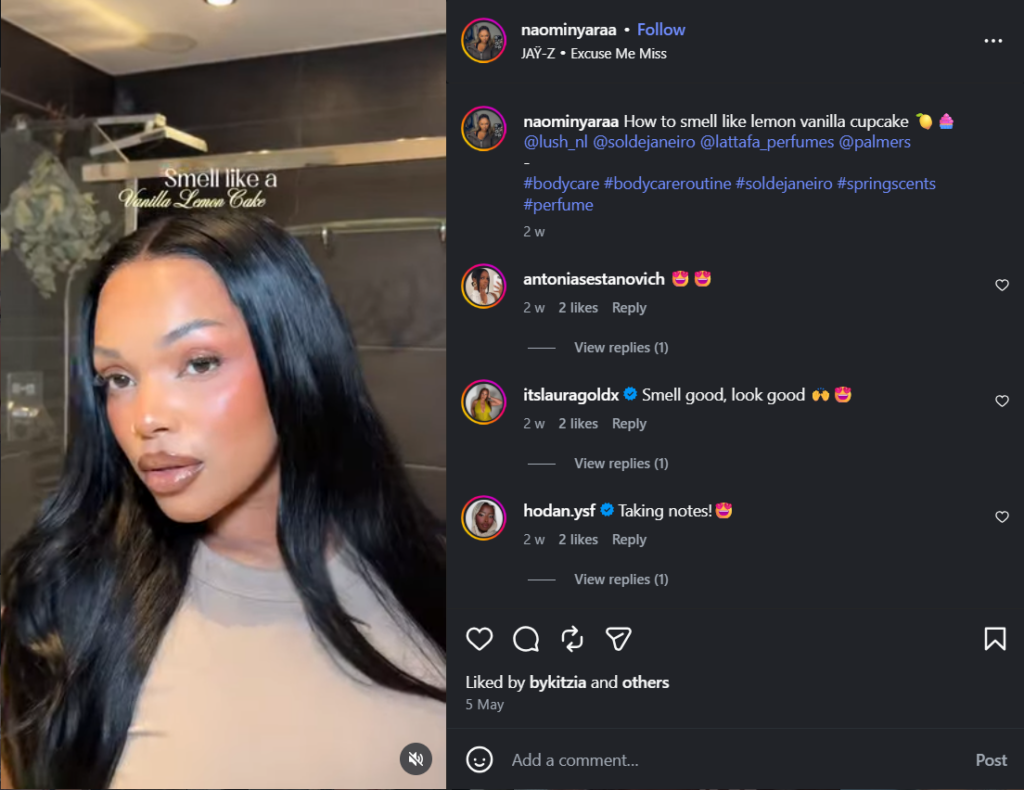
The most saturated vertical — and still the highest-converting one for beauty brands. The emerging sub-niche: skincare science creators with dermatology credentials or evidence-based content frameworks who drive purchase intent through ingredient education. These accounts convert faster for brands making clinical claims.
9. Gaming Influencers and Streamers
The gaming creator economy spans Twitch, YouTube, TikTok, and Discord simultaneously. Non-gaming brands are entering this space because gaming audiences are young, highly engaged, and underserved by traditional advertising.
Integration formats that work include: in-stream product mentions, co-created content tied to game launches, and channel-exclusive offers the gaming community discovers first.
10. Travel and Lifestyle Influencers
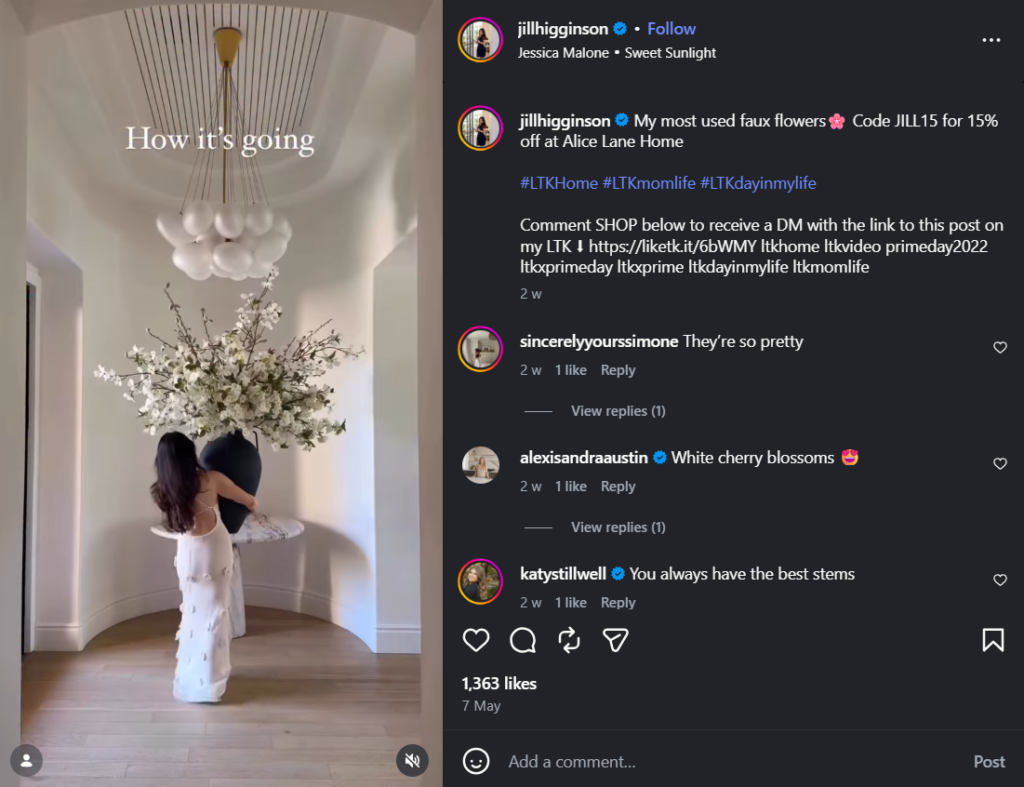
The faster-growing sub-niche — budget and practical travel creators — drives outsized engagement for accessible travel products and services.
For brands with broad consumer audiences, lifestyle-travel creators whose content spans everyday and travel contexts often deliver better frequency and audience range than pure travel specialists.
11. Fitness and Wellness Influencers
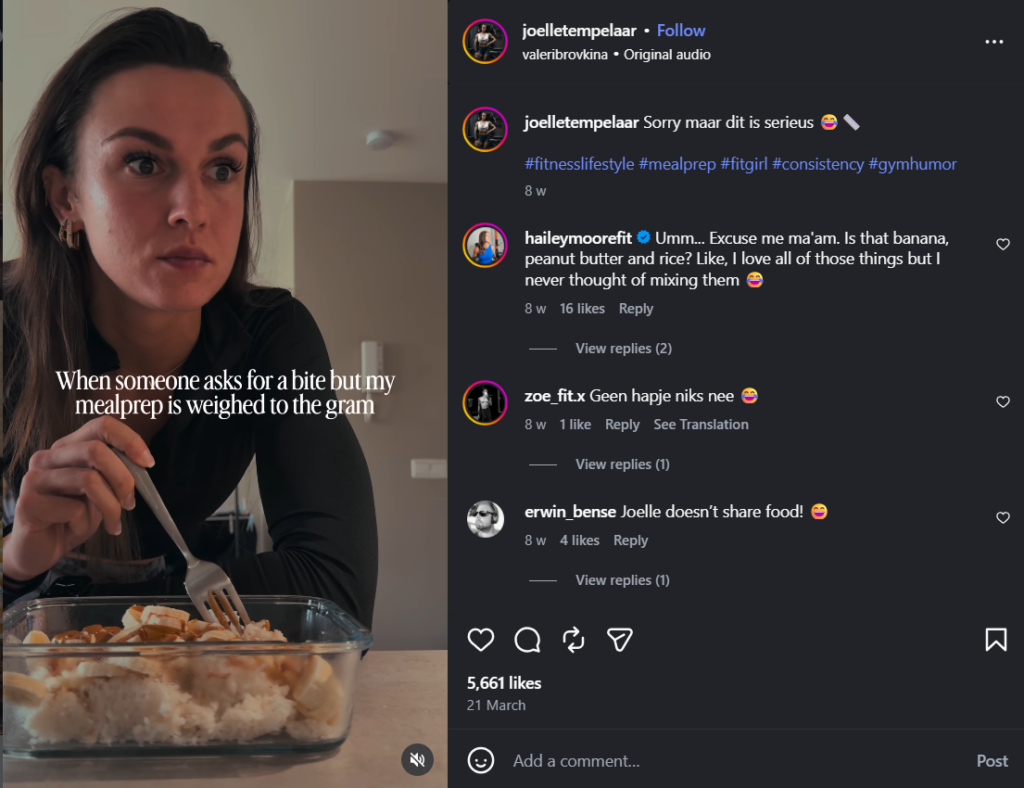
Mental health and mindfulness creators are a great sub-niche in wellness. Brands in food, apparel, sleep, and productivity tech are finding genuine audience crossover with wellness creators — the brief just needs to respect the creator’s content values around wellbeing rather than pushing aesthetics.
12. Food and Beverage Influencers
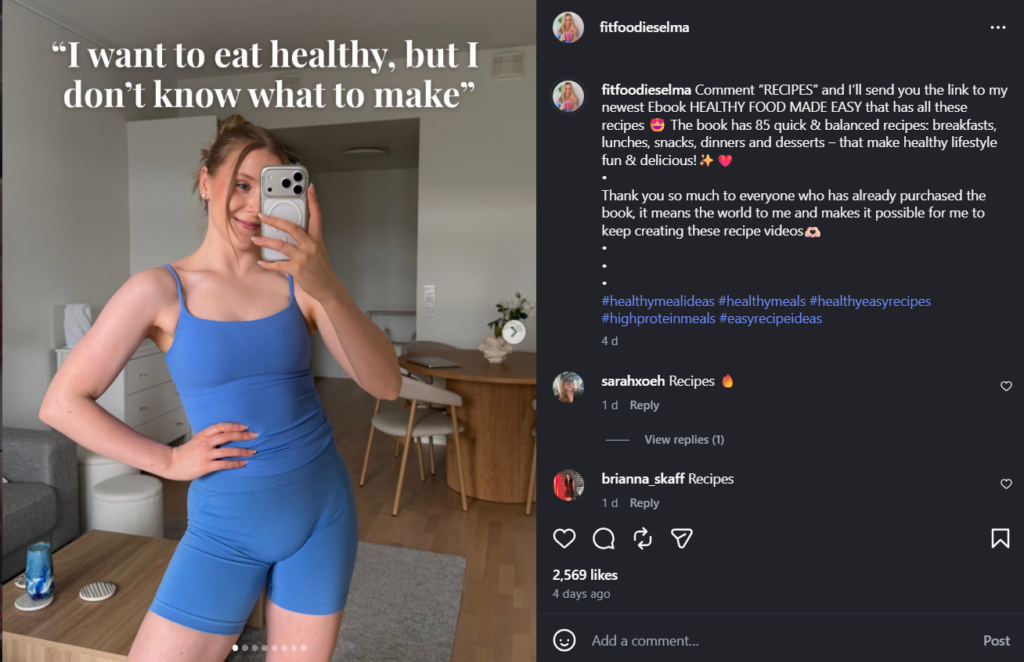
Recipe creators and restaurant reviewers serve completely different audiences with different purchase intent. Recipe audiences are planning to cook — receptive to ingredient and kitchen product recommendations.
Restaurant review audiences are deciding where to eat — receptive to local discovery. Short-form food content drives faster discovery; YouTube long-form works better for tutorials and product deep-dives.
13. Finance and Investment Influencers (Finfluencers)
This is one of the most profitable creator categories of the last three years. Finfluencer audiences actively seek financial guidance and have high purchase intent for fintech and banking products.
The compliance complexity is non-negotiable: most markets have specific disclosure requirements for financial content partnerships. Legal review of briefs before campaign launch is mandatory.
14. Parenting and Family Influencers
One of the high-trust niches in the current social media ecosystem. Parents make decisions for multiple household members, expanding effective reach per partnership.
Honest review formats — content showing product limitations alongside strengths — convert better than polished promotional content.
15. Tech and Gadget Influencers
Unboxing is functionally dead. Tech creators who perform best provide comparative analysis, real-world use cases, and long-term follow-up reviews.
The B2B tech creator niche on LinkedIn and YouTube is underused for SaaS brands — software tutorial creators with technical audiences drive qualified trial signups that paid search often can’t match.
CATEGORY 3: Influencers by Content Format
The medium shapes the brief and the ROI. Match your campaign deliverable to the creator’s native format.
| Format | Native Platform | Avg. Content Length | Best Brand Use |
|---|---|---|---|
| Short-form video | TikTok, Reels, Shorts | 15–90 sec | Discovery, awareness, trend |
| Long-form video | YouTube | 8–20 min | Reviews, tutorials, consideration |
| Podcast / audio | Spotify, Apple, YouTube | 30–90 min | Brand recall, high-trust niches |
| Written (newsletter) | Substack | 500–2000 words | Considered-purchase, B2B |
| Live stream | Twitch, IG Live, YouTube | 30–180 min | Live commerce, product launches |
16. Short-form Video Creators (Reels, TikTok, Shorts)
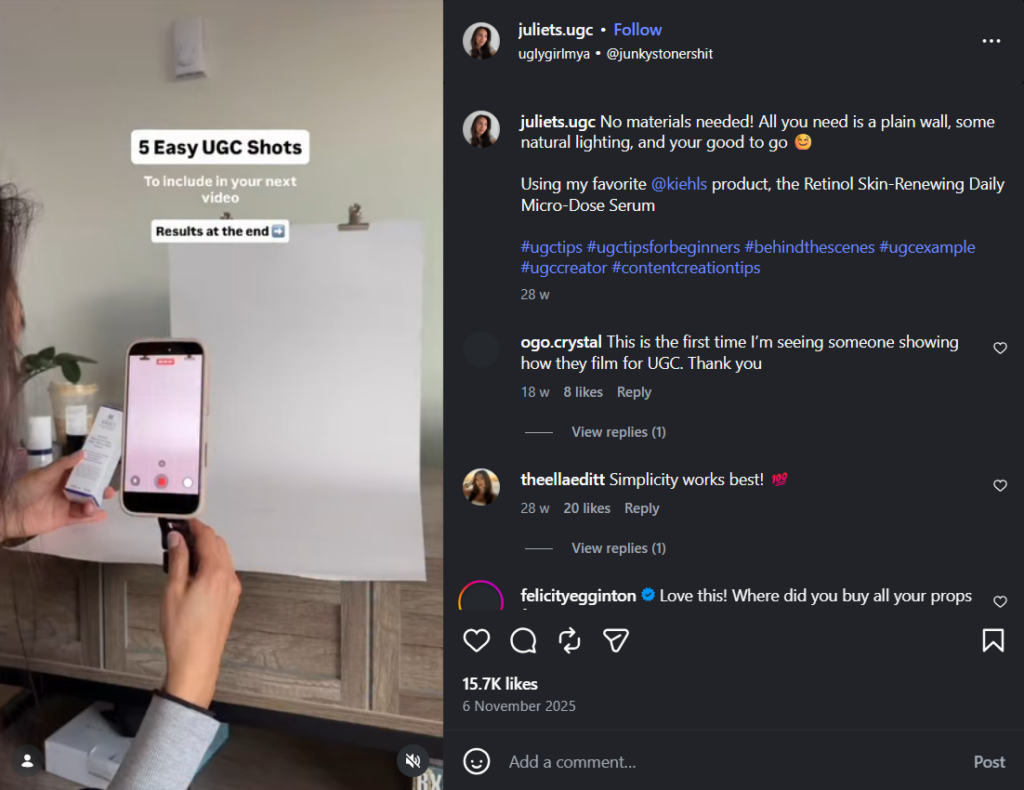
Short-form partnerships produce results faster than any other format — a well-performing creator video can reach 500K views in 48 hours.
The briefing challenge: over-scripting kills native performance. Give creators the key message and product truth; let them find the hook and format.
Tools like Predis AI help brands produce platform-native short-form content in-house that mirrors creator aesthetics for organic content running alongside a creator campaign.
17. Long-form Video Creators (YouTubers)
Long-form converts deeper, not faster. A 15-minute product review from a trusted YouTube creator builds consideration that a 30-second Reel can’t create.
Evaluate YouTube partnerships on watch time, click-through rate, and comment sentiment rather than view count. Integration formats that don’t feel like ads: genuine “how I use this” sections mid-video that directly relate to the video’s topic.
18. Podcasters and Audio Creators
Podcast audiences convert at higher rates than most social audiences because listening is a high-attention, low-distraction format. Host-read ads significantly outperform pre-recorded spot inserts.
Niche podcast partnerships with modest listener counts can deliver remarkable brand recall because the audience has opted into extended, focused attention.
19. Written Content Creators (Newsletters, Blogs, Substack)
Substack writers with 20K–50K subscribers in niche verticals have audiences who’ve actively opted into receiving content — a fundamentally different trust signal than a social follow. Sponsorship slots in high-quality newsletters and these sites regularly outperform banner advertising on both CPM and conversion metrics.
20. Live Streamers and Real-time Creators
Live commerce closes the loop between influencer content and immediate purchase. Creators who can present, demonstrate, and answer questions in real time — with a buy link in the stream — convert at rates static content can’t match.
The preparation requirement is higher: live content can’t be edited, so product briefing and audience Q&A prep need to happen before the stream goes live.
The Influencer Stack Model — How Smart Brands Combine Types
Running a single influencer type leaves funnel gaps open. The brands that consistently outperform on influencer ROI don’t pick a type — they stack types to cover the full customer journey.
The 3-Layer Stack:
- Awareness layer: Macro, mega, or short-form video creators to drive reach and new audience introduction
- Engagement layer: Micro and mid-tier industry vertical creators to build credibility and consideration
- Conversion layer: Affiliate creators, UGC creators, or nano influencers with high-trust community relationships to drive purchase decisions.
Briefing Influencers
The briefing challenge is that different types of social media influencers need a different brief.
- Macro creators need brand guidelines and key messages.
- Micro industry creators need room to tell the story in their own voice.
- UGC creators need a product truth and a format spec.
A tool like Predis AI’s content calendar helps plan and schedule multi-type campaigns so the full funnel moves in the right order. By finding the right kind of influencer to brief them and scheduling that content, you need to keep the goal in mind.
The Bottom Line
Follower count tells you how many people might see your campaign. The influencer type tells you whether any of them will care. Get the type right — match it to your goal, your vertical, your format, and your relationship model — and the numbers follow.
Start with your campaign objective. Work backward to the influencer type. Then find the creators.
FAQs
Nano and micro influencers in the relevant industry niche, combined with a UGC creator component for paid social amplification. This stack covers community trust, category credibility, and scalable content without the budget requirements of macro or celebrity tiers.
LinkedIn-native creators, Education and thought leadership creators, and podcast hosts in relevant professional verticals. B2B influencer marketing is about credibility signals to decision-makers — trust and expertise matter more than reach.
Yes — for almost any campaign with more than one objective. A campaign designed to drive awareness, consideration, and conversion simultaneously needs creators optimized for each stage. Single-type campaigns leave funnel stages unaddressed.