

Explore this content with AI:
The internet is having a midlife crisis. For decades, the hierarchy was clear: you went to Google to find answers and social media to see what your friends were doing. But that wall has crumbled. Today, Gen Z and Millennials are increasingly treating TikTok, Instagram, and even Pinterest as their primary search engines.
Whether it’s searching for “best pasta in Rome” on TikTok to see a real video of the carbonara, or “minimalist living room ideas” on Instagram to find a specific aesthetic, user behavior has shifted from passive consumption to active intent. This is where social SEO comes in.
What is Social SEO?
Simply put, Social SEO is the practice of optimizing your social media profiles and content so they appear in search results—both within the platform’s own search bar and on external search engines like Google. Businesses can also use SEO auditing services and SaaS link building agency to identify optimization opportunities, improve content visibility, and strengthen their overall search performance.
- Trust over Algorithms: Users often prefer a 15-second video from a real person over a highly polished, SEO-optimized blog post that takes ten minutes to read.
- Visual Proof: For industries like fashion, travel, and DIY, seeing is believing. Social search provides immediate visual evidence that a text-based search result cannot.
- The Google Loop: Google now indexes social media posts. If your TikTok goes viral and is properly keyword-optimized, it can appear on page one of a Google search, giving you “double dip” visibility.

SEO vs. The Algorithm: Understanding the Difference
Many creators confuse these two, but they serve different masters. To master reach, you must satisfy both.
The Algorithm: The “Push” Model
The algorithm is like a proactive waiter at a restaurant. It watches what you’ve eaten in the past, how fast you ate it, and what other people at your table are ordering. It then “pushes” a dish in front of you that it thinks you’ll like. Just as a restaurant relies on restaurant software to manage different aspects of its operations, social platforms use algorithms to organize and deliver content based on user behavior.
- Goal: Maximize time spent on the app.
- Signal: High watch time, re-watches, and initial engagement.
Social SEO: The “Pull” Model
Social SEO is like the restaurant’s menu. You walk in with a specific craving (intent), look at the menu (search bar), and “pull” the specific item you want.
- Goal: Provide the most relevant answer to a specific query.
- Signal: Keyword density, metadata, and relevance.
| Feature | Social Algorithm | Social SEO |
| Primary Goal | Maximize time spent on the platform. | Connect a user to a specific answer. |
| Trigger | Past behavior & scrolling habits. | Intent-based search queries (keywords). |
| Discovery | Passive (it finds you). | Active (you find it). |
| Longevity | Short (viral for 48 hours). | Long (searchable for years). |
The Foundation: Optimizing Your Social “Home Base”
Before you worry about your content going viral, you need to ensure your profile is “crawlable.” If a platform doesn’t know who you are, it won’t know who to show your content to.
1. The Power of the Handle and Display Name
Your username is your ID, but your Display Name is your SEO real estate.
- The Mistake: Using just your name (e.g., “Sarah Jenkins”).
- The Fix: Use your name + your niche keyword (e.g., “Sarah Jenkins | SEO Strategist”).
- If you are a brand, then use the name your audience knows you by.
2. The Bio: Your Elevator Pitch to the AI
Platforms use the text in your bio to categorize your entire account. Make sure that this bio is quite identical in all your social media profiles, so the search engine does not have trouble finding you.
- Keyword Stuffing? No. Use them sparingly.
- Strategic Placement? Yes. Use 2-3 primary keywords that describe what you do.
- Location: If you are a local business, your city name is your most important keyword.
3. Get verified
Go the extra mile and get your profile verified on all social media channels. This adds a layer of trustworthiness for your brand and helps you set yourself apart from other competitors.
Content Optimization – Keyword Research
In social media, keywords have replaced the “vibe” as the primary discovery tool. If you aren’t using the exact words your audience is typing, you are invisible.
How to Find Your Social Keywords
Stop using Google keyword tools for TikTok content. The way people talk on social is different from how they talk to a search engine.
The best data doesn’t come from a sterile dashboard; it’s hidden in plain sight within the platforms themselves. Take TikTok’s “Others Searched For” loop or Instagram’s suggested search—these aren’t just features, they are literal roadmaps showing you exactly what your audience is hungry for.
Whether you’re using Pinterest Trends to peer three months into the future or dissecting the “pain point keywords” in a Reddit thread, the goal is to move beyond generic phrases. You’re looking for those hyper-specific, conversational queries—like “how to do this on an iPhone”—that reveal exactly where your competitors are leaving people hanging.
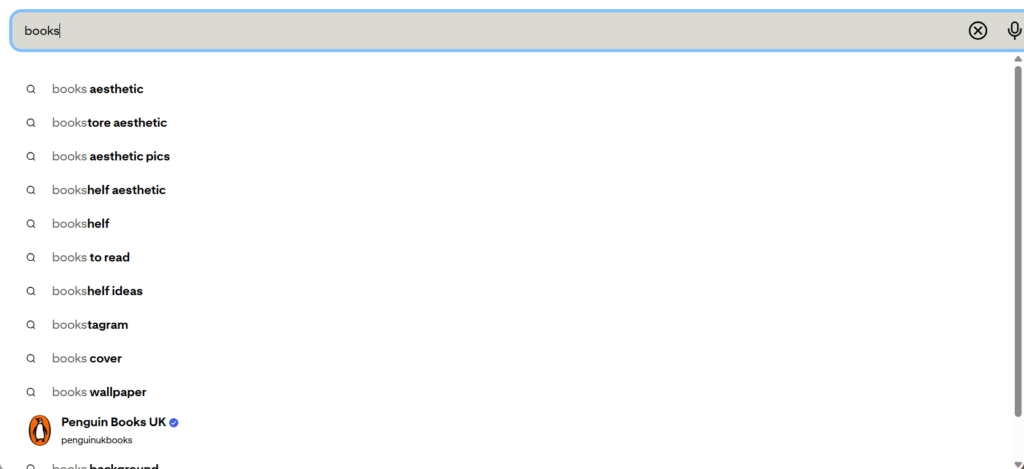
Here is where you can get these insights:
- TikTok’s “Others Searched For” Loop
- Instagram’s Suggested Search
- Pinterest Trends
- Reddit & Quora
- TikTok Comment Sections
- On-Screen Text of other creators
Hashtags vs. Keywords: The Great Debate
For nearly a decade, the gold standard was to max out your 30-hashtag limit to cast the widest net possible. But as platform AI has evolved, that “spray and pray” method has become a signal for low-quality or spammy content.
Today, algorithms are sophisticated enough to read your captions, listen to your audio, and scan your on-screen text. This has shifted the debate from a quantity game to a clarity game.
- Hashtags are for Categorization: They tell the app “This is a video about Fitness.”
- Keywords are for Search: They tell the app “This is a video about How to do a deadlift with proper form.”
If you only use the broad hashtag, you’re competing with millions of other generic posts; if you use the specific keyword, you’re showing up exactly when someone is looking for an answer. But that does not mean hashtags are a thing of the past. By using keywords and the right amount of hashtags, you can maximize your performance.
To find the right number of hashtags, always use this rule of thumb, which is to use 3–5 highly specific hashtags and focus the rest of your energy on a keyword-rich caption.
Platform-Specific SEO Playbooks
1. TikTok SEO
TikTok is the most advanced social search engine. To win here:
- Say the Keyword: TikTok’s AI transcribes your audio. If you don’t say the keyword in the first 3 seconds, you’re missing an SEO signal.
- On-Screen Text: Use the native TikTok text tool to write your title. The AI “reads” this text to understand the video content.
- The Comments: Believe it or not, the keywords in your comments (and your replies) help your video rank.
2. Instagram SEO
Instagram’s algorithm is moving away from being a “photo app” and toward an “interest graph.”
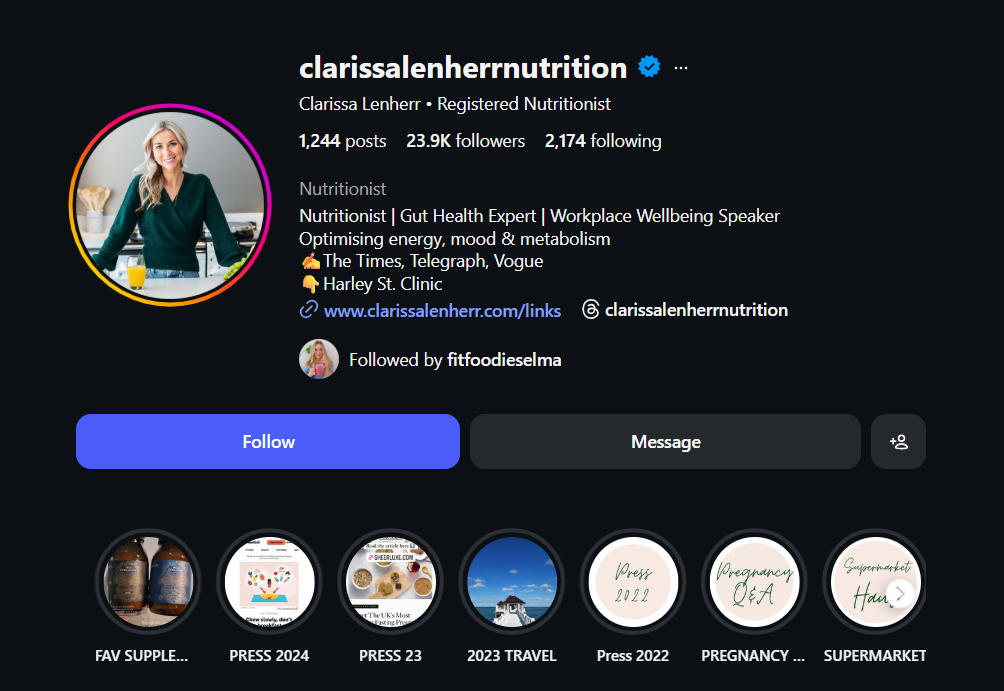
- Alt Text: This is the most underrated SEO tool. Go to Advanced Settings > Write Alt Text. Describe your image using keywords.
- Instagram Maps: If you have a physical location, tagging your “Geotag” is more important than your caption for local discovery.
- Reels are SEO Engines: Use keywords in captions and subtitles. AI “listens” to audio and “reads” on-screen text to index your content.
- Network-Based SEO: Engage with top-ranking accounts in your niche. This creates a digital association that helps Instagram categorize your profile.
- Get Verified: Meta Verified now explicitly boosts your search visibility and optimization as a core program benefit.
- Caption-Only Hashtags: Never hide tags in comments. Keep them in the main caption so the AI can index them alongside your text.
3. YouTube SEO
YouTube is the second-largest search engine in the world.
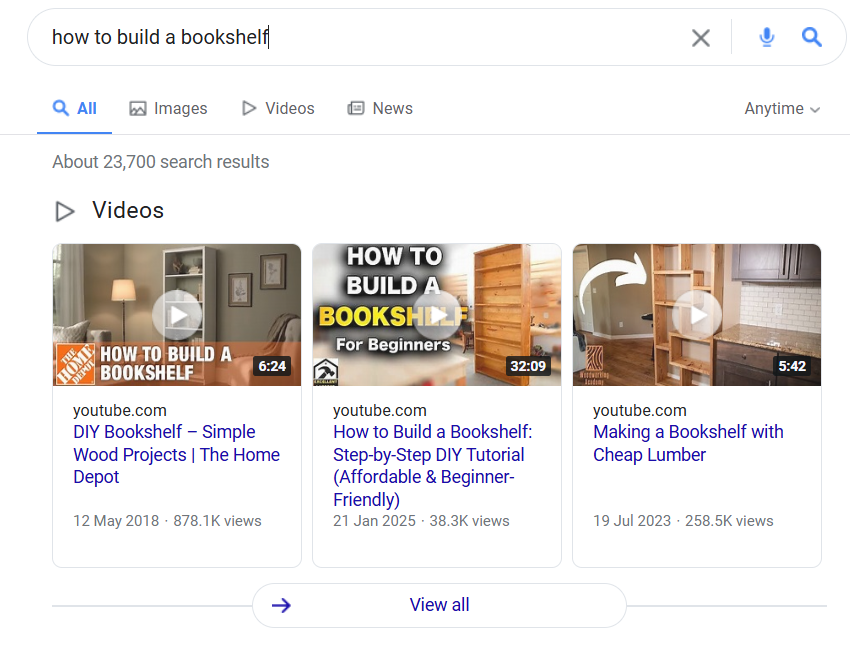
- SEO-Optimized Filenames: Rename raw video files (e.g.,
DIY-bookcase.mov) to your primary keyword before uploading to embed permanent metadata. - Long-Tail Titles: Use specific, conversational phrases like “How to build a DIY bookcase” to match exactly what users are typing into the search bar.
- The “First Two Lines” Rule: Place your main keyword in the very beginning of your description. This area is heavily weighted by crawlers and visible without clicking “more.”
- Verbal Keywords & Captions: Say your keywords out loud in the video. YouTube’s AI transcribes audio and uses it—along with enabled captions—to index your content.
- Keyword-Rich Chapters: Use keywords in timestamps and video chapters. These are now indexed as individual search results on both YouTube and Google.
- Focus on “How-To” Content: Prioritize instructional videos. Unlike vlogs, which rely on the home feed, “how-to” content is evergreen and driven primarily by search.
- Thumbnail CTR: Design high-impact thumbnails. A high click-through rate signals to the algorithm that your video is a relevant and quality result for the search term.
4. Facebook SEO
Facebook might feel like the “old guard,” but its search functionality is a powerhouse for local discovery and brand authority. To keep your page from getting buried, you need to treat your profile like a localized mini-site.
- Location-Specific Pages: If you have multiple physical spots, create a dedicated location page for each. This significantly boosts your visibility in “near me” local searches.
- Optimize Name & URL: Include your brand name and a primary keyword in your Page title (e.g., “Roast & Toast | Seattle Coffee Shop”). Customize your vanity URL to match for better indexing.
- Maximize Meta Verified: Take advantage of the blue checkmark. Meta Verified explicitly includes search optimization as a benefit, helping you surface higher in results.
- Keyword-Rich “About” Section: Don’t leave your bio blank. Fill out your mission and descriptions with natural keywords to help the algorithm categorize your business.
- Post & Caption Keywords: Treat your status updates like micro-blogs. Use relevant keywords in captions and photo descriptions to increase their discoverability.
- Review Authority: Encourage customers to leave reviews that mention your products or services by name. These keyword-rich reviews build massive search authority.
- Consistent Local Data: Ensure your NAP (Name, Address, Phone) and hours are 100% accurate. Consistency across Facebook is a major signal for local SEO rankings.
5. LinkedIn SEO
LinkedIn is a powerhouse for professional authority. In 2026, the algorithm prioritizes “High-Quality” knowledge sharing and skills-based matching over simple job titles.
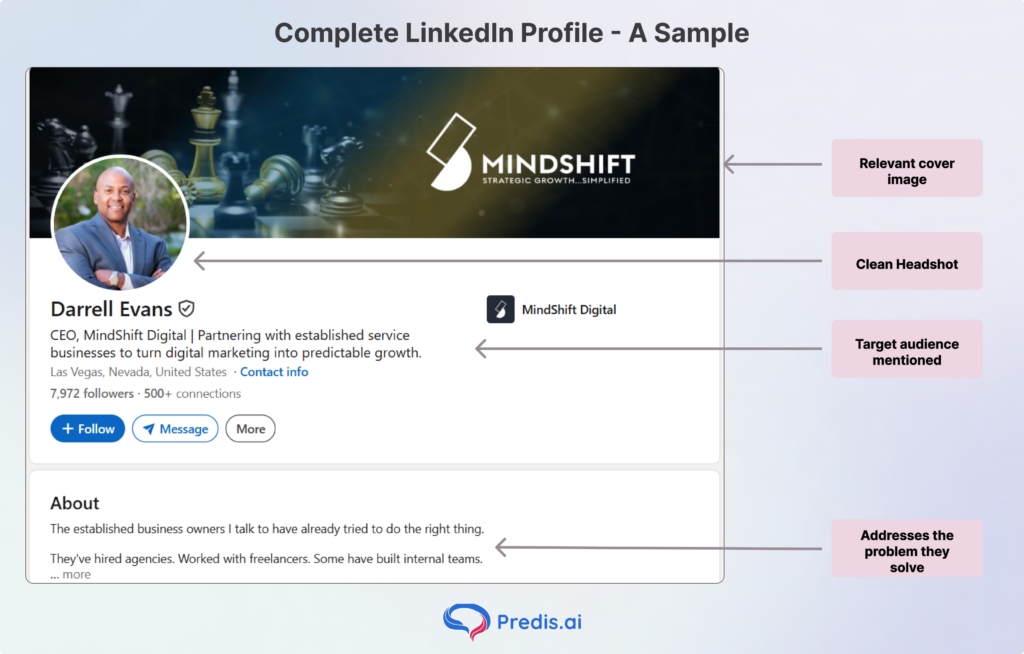
- Headline & About Section: Move beyond your job title. Use your headline to state your value proposition with industry keywords, and write a first-person “About” section that highlights measurable wins.
- Complete All Profile Sections: Fill out every available field, including Certifications and Projects. Profiles with complete information receive significantly more search appearances and recruiter views.
- Post Long-Form Articles: LinkedIn articles are indexed by Google and frequently cited by AI search tools. Use them for deep dives into your primary topics to capture external traffic.
- Natural Keyword Integration: Avoid keyword stuffing. LinkedIn’s algorithm penalizes spammy content; keep your language conversational and professionally relevant.
- Engagement for Association: Commenting on top-ranking posts in your niche helps the algorithm associate your profile with those topics, increasing your visibility in interest-based feeds.
- Custom Vanity URL: Ensure your profile link is clean (e.g.,
linkedin.com/in/yourname). This is a vital signal for both LinkedIn and Google search indexing. - Document Carousels: Share PDFs or slide decks. These drive high “dwell time” and saves, which are massive authority signals in the current algorithm.
6. Pinterest SEO
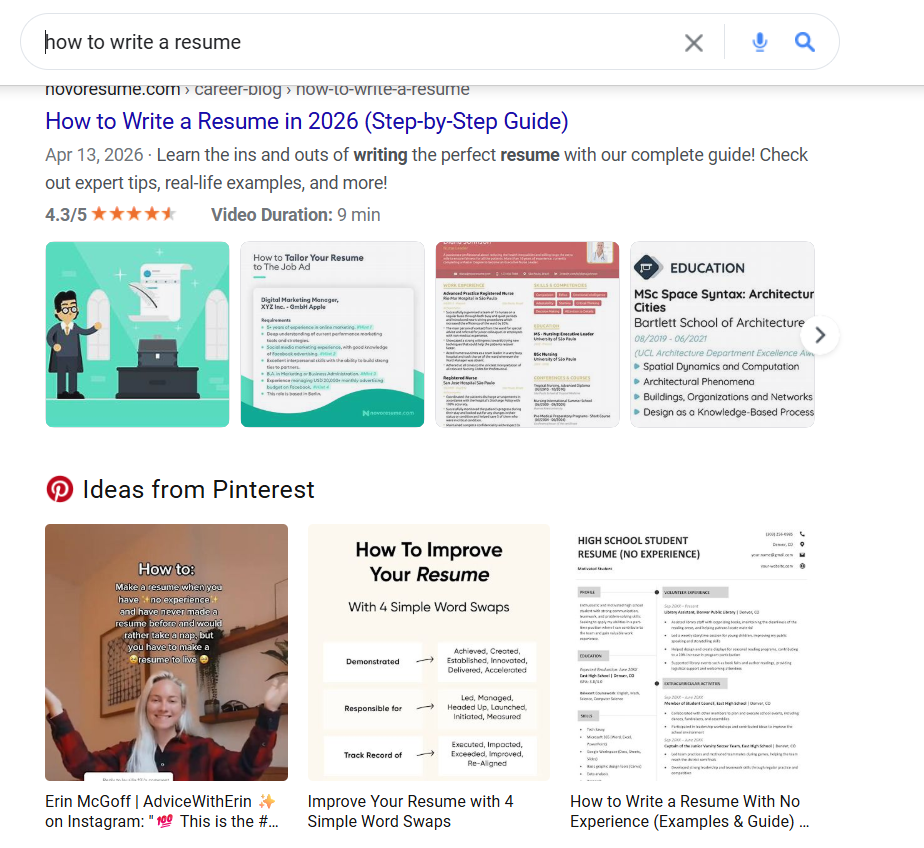
Pinterest is a high-intent search engine, not a social feed. In 2026, the goal is to think like a librarian: organize your content so it’s easy to index and impossible for the visual AI to ignore.
- Keyword-Driven Board Structure: Use your primary keywords as board names (e.g., “Minimalist Living Room Ideas”). This acts as a top-level indexing signal that tells Pinterest exactly how to categorize every Pin you add to that board.
- Long-Tail Pin Strategy: Build Pins around specific search queries like “How to build a DIY bookcase” rather than broad terms. High-intent, long-tail keywords face less competition and attract users ready to take action.
- Optimize for Visual Search: Use high-resolution, vertical (2:3) images. Pinterest’s “Lens” tool uses visual AI to identify objects in your photos; clear images ensure you surface when users search with their camera instead of their keyboard.
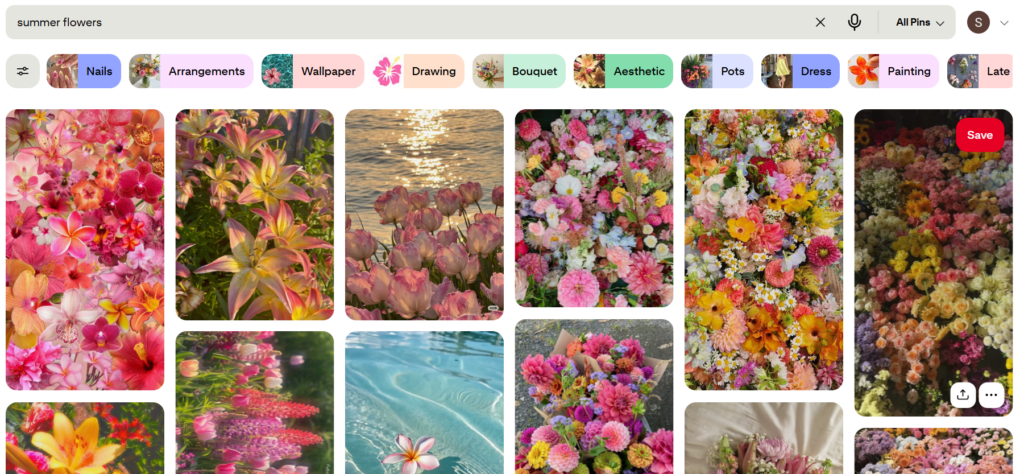
- Keyword-Rich Metadata: Front-load your most important keywords in both Pin titles and descriptions. Write for humans, but ensure the first 50 characters contain the “meat” of your topic for the algorithm to crawl.
- Descriptive Image Alt Text: Don’t skip the Alt Text field. Describe exactly what is in the image using keywords. This provides an extra layer of context for both accessibility and search discovery.
- Implement Rich Pins: Use Rich Pins (Product, Recipe, Article) to sync metadata directly from your website. These Pins provide extra real-time info—like price or ingredient lists—that makes your content more searchable and trustworthy.
- Strategic Hashtags: Use 2–5 highly relevant hashtags at the end of your description. These help with real-time “freshness” discovery, but they should supplement your keywords, not replace them.
- Text Overlay Legibility: Add bold, clear text overlays to your Pin graphics. Pinterest’s AI reads the text on your images (OCR) to further refine its understanding of your content’s purpose.
Advanced Tactics That Help Stand Out
1. Accessibility is Reach
Adding closed captions and Alt Text isn’t just a “nice thing to do” for inclusivity—it provides “crawlable” text. When you add captions to a video, you are essentially giving the platform a full transcript of your content to index.
2. The “Backlinks” of Social Media
In traditional SEO, a link from another site is a vote of confidence, and effective AI SEO packages continue to prioritize high-quality backlinks for stronger search performance. Businesses looking to strengthen their off-page authority often work with the best SaaS link building agency to earn high-quality backlinks, while on social media, Shares and Saves act as your backlinks.
- Shares tell the platform your content is relevant to others.
- Saves tell the platform your content is authoritative and worth returning to.
To leverage this, you need to make content that is shareable and saveable. Content that is information dense like how to guides and checklists usually gets saved. To get shared, you need to create content that is relatable.
3. User Engagement Signals
If someone searches for “How to bake a cake” and clicks on your video but leaves after 2 seconds, the platform learns that your video is not a good result for that search. High Retention Rate is the ultimate SEO signal.
4. Optimize for Voice Search
As users increasingly ask Siri, Alexa, or Gemini questions like “Where’s the best brunch near me?” or “How do I fix a leaky faucet?”, your content needs to provide the answer.
- The “Question-Header” Hack: Use H2 or H3 headers in your blog posts—and literal text overlays in your videos—that are phrased as questions (Who, What, Where, Why, How).
- Direct Answers: Provide a concise, 40-60 word answer immediately after the question to increase your chances of becoming a “Featured Snippet” or the chosen voice response.
5. AI-Powered Optimization
Don’t just use AI to write; use it to predict and optimize. AI can be a great way to make your workflow more efficient, but keeping your human touch is also very important. Have a mix of both in your content to get the best of both worlds.
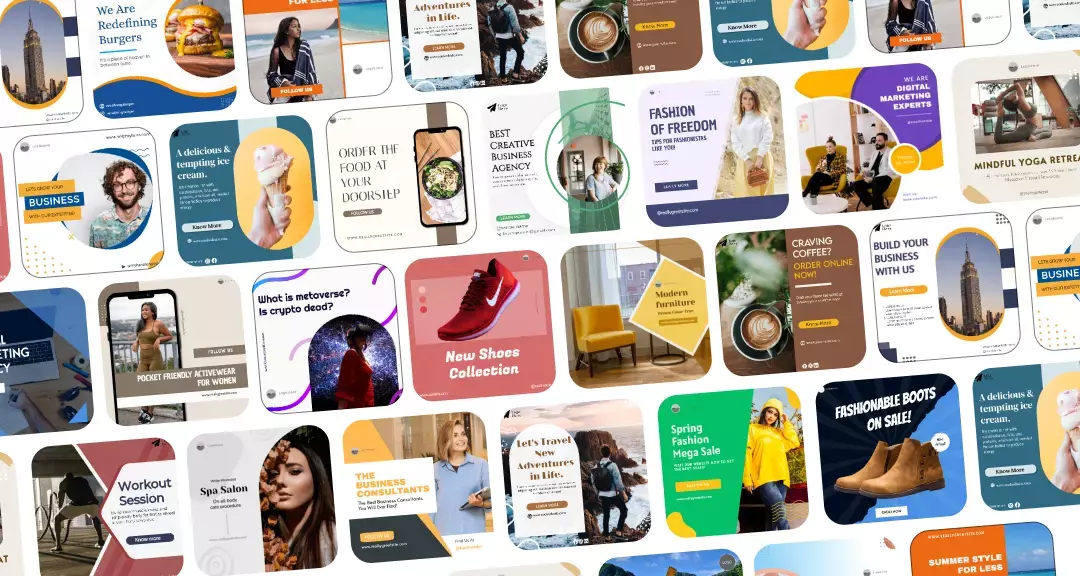
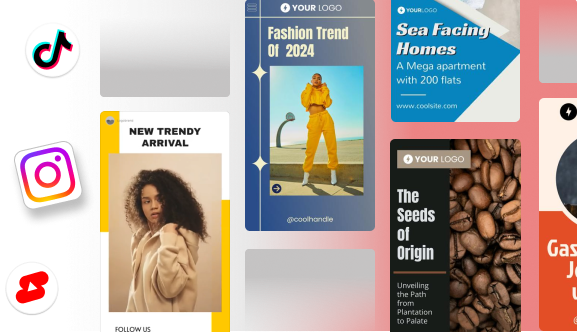
- End-to-End Creation: Use tools like Predis.ai to generate not just captions, but brand-aligned creatives and videos from a single prompt. It helps maintain “Visual SEO” consistency by automatically matching your brand palette and style.
- Sentiment & Trend Tracking: Use AI to scan huge datasets and identify which “emotional triggers” are currently driving shares in your niche, then adjust your keyword strategy to match that sentiment.
6. Repurpose Like a Pro
Stop creating one-off posts. One strong idea should live everywhere in a format the local algorithm trusts.
- The “Long-to-Short” Pipeline: Turn a keyword-rich YouTube video into 5 TikTok Reels (focusing on different long-tail keywords), a LinkedIn Carousel (focusing on the “How-to” steps), and a Pinterest Pin (focusing on the visual aesthetic).
- Update, Don’t Delete: If a post performed well in 2025, refresh it with stats and trending keywords. Algorithms reward “updated” relevance over “new but mediocre” content.
7. Collaborate for Reach & Relevance
In 2026, “Trust” is the ultimate ranking factor. And collaboration is a major help in that area: establishing trust and reaching the masses at the same time.
- Digital Association: When you collaborate with an influencer or another brand in your niche, the platforms’ AI notes the association. This helps “cluster” your account with established authorities, boosting your visibility in interest-based feeds.
- UGC (User-Generated Content) SEO: Encourage customers to post reviews using specific keywords. When 50 people post about your “unbreakable phone case,” the platform begins to rank you as the definitive authority for that phrase.
The Social SEO Toolbox
You don’t need expensive software to start dominating. Here are some free and semi-free tools that can help you get started:
- TikTok Creative Center (Free): See exactly what songs, creators, and keywords are trending in your specific country.
- Google Trends (Free): Check if a topic is gaining interest globally before you spend time creating content for it.
- AnswerThePublic (Free/Paid): Discover the “Who, What, Where, Why” questions people are asking about your niche.
- Canva: Essential for creating high-contrast on-screen text that AI scanners can easily read.
The Bottom Line: Why It Matters Right Now
We are entering the era of Human-Centric Search. People are tired of generic, AI-generated blog posts and ad-heavy search results. They want to see a person’s face, hear their voice, and see the product in action.
Social SEO is the bridge that connects your expertise to the people who are actively looking for it. By optimizing your profile, researching your keywords, and understanding the nuances of each platform, you aren’t just “posting”—you’re building a searchable library of content that works for you 24/7.
The future belongs to the searchable. Don’t just show up on the feed; show up in the results.
FAQ:
The Short Answer: Intent and Trust.
Users (especially Gen Z) use social search when they want visual proof or peer-reviewed answers. While Google is great for “What is the capital of France?”, TikTok is better for “What does this specific hotel in Paris actually look like?” Social search provides a level of authenticity and “lived experience” that traditional text-heavy blogs often lack.
It’s a game-changer for “Visual SEO.” Tools like Predis.ai don’t just generate text; they help you create brand-consistent graphics and videos that the algorithm can easily “scan.” AI can now be used to:
1) Predict which “hooks” will perform best based on current trends.
2) Maintain a consistent “visual language” that helps platforms categorize your niche.
3) Helps with establishing a consistent posting plan, with a schedule and auto-post options