


Explore this content with AI:
Here’s an uncomfortable truth: social media now drives leads for 68% of marketers — yet the same surveys consistently show that a large share of marketing teams can’t attribute a single closed deal to their social media activity. The content is going out. The followers are accumulating. The impressions look impressive in the monthly report. And the pipeline is empty.
The problem isn’t social media. The problem is that most brands are optimising for the wrong signals. Likes, reach, and follower counts are audience metrics. Leads are a conversion metric. And the gap between the two doesn’t close by posting more consistently — it closes by redesigning what you post, how you distribute it, and what happens when someone shows interest.
And that is exactly what we are covering in this blog today!
Why Most Social Strategies Don’t Generate Leads
Most social media strategies are built around audience growth, not pipeline growth. The posts are designed to attract followers, the metrics celebrate reach, and the reporting shows engagement rates. None of that is inherently wrong — but it creates a popular brand without being profitable.
A lead-ready social profile looks different.
- The bio is conversion copy, not a job description.
- The link in bio goes somewhere with a clear offer, not a homepage.
- The content mix includes explicit reasons to take the next step — not just reasons to like, save, or follow.
Lead conversion rates for brands using educational short-form video (Reels/TikTok) are higher than those using traditional landing pages — but only when the video is architected to drive action, not just views.
Quick Answer — All Social Media Lead Generation Tactics at a Glance
| # | Tactic | Best Platform | Business Type |
|---|---|---|---|
| 1 | Optimise profile as a landing page | All | All |
| 2 | Lead magnet posts + DM automation | Instagram, LinkedIn | B2C, SaaS |
| 3 | Platform-native lead gen ads | Facebook, LinkedIn | B2B, D2C |
| 4 | DM funnel with conversation starters | Instagram, LinkedIn | All |
| 5 | Educational carousel posts | Instagram, LinkedIn | SaaS, B2B |
| 6 | Live events and webinars | LinkedIn, Instagram | B2B, SaaS |
| 7 | Social proof and UGC content | Instagram, TikTok | D2C, Local |
| 8 | Referral and contest campaigns | Instagram, Facebook | D2C, Local |
| 9 | Hashtags and Social SEO | Instagram, LinkedIn | All |
| 10 | Retargeting warm audiences | Facebook, Instagram | All |
| 11 | Micro-creator partnerships | TikTok, Instagram | D2C, SaaS |
| 12 | Serialised content series | LinkedIn, Instagram | B2B, SaaS |
| 13 | Analytics-led content doubling | All | All |
11 Social Media Lead Generation Tactics to Try
Tactic 1 — Optimise Your Profile as a Landing Page
Before any social media lead generation campaign, any ad, any lead magnet — audit the profile. Your bio is conversion copy with one job: tell the right person they’re in the right place and give them a reason to take the next step.
The bio should lead with value, not title. “I help SaaS founders build demand without paid ads” converts better than “Content Strategist | 10 years experience.” The link in bio should go to a high-converting page — a free resource, a booking link, a waitlist — not a homepage. Tools like Linktree and Later let you manage multiple CTAs from a single link.
Profile audit checklist before any lead gen push:
- Does the bio answer “why should I follow/contact you”?
- Does the pinned post demonstrate expertise or credibility?
- Does the link in bio go somewhere with a clear, single offer?
Fix these before spending a penny on distribution.
Tactic 2 — Use Lead Magnet Posts Strategically
A lead magnet post offers a free, high-value resource (a checklist, template, guide, or mini-course) in exchange for a DM, email, or follow-up action. The mechanics: post teases the value, caption tells them to comment a keyword, DM automation delivers the asset instantly.
The keyword-to-DM model is one of the highest-converting organic formats on Instagram and LinkedIn right now. It generates leads without ad spend, builds a DM relationship with the lead, and creates a data point (the keyword) that tells you exactly what problem they were trying to solve.
Gated content done well can convert up to 41% more visitors into leads compared to ungated content — the same principle applies to social lead magnets.
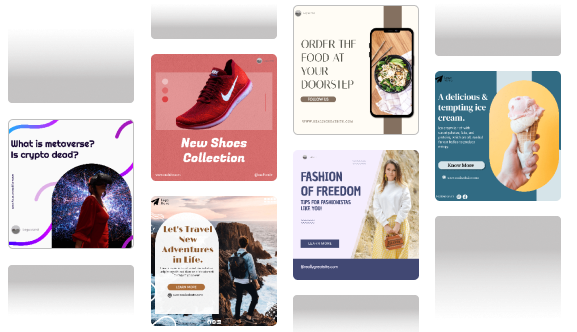
Predis.ai workflow: Use Predis.ai’s AI post generator to create carousel and lead magnet creatives in minutes — input your offer, pick a template, publish. No designer needed.
Tactic 3 — Run Platform-Native Lead Gen Ads
Facebook and Instagram Lead Ads allow users to submit their information without leaving the platform — pre-filled with their profile data, frictionless to complete. Native lead forms consistently outperform off-platform landing pages because there’s no redirect, no load time, and no layout that breaks on mobile.
LinkedIn accounts for 80% of all B2B leads generated through social media, and LinkedIn Lead Gen Forms are particularly powerful for high-consideration B2B purchases. Keep form fields to the minimum required — every additional field reduces completion rate.
After form submission, speed matters: a follow-up within the first hour dramatically outperforms one that arrives a day later. For B2B teams, a sales intelligence platform can add useful context to those leads by identifying relevant companies, decision-makers, and up-to-date account information before outreach begins.
Predis.ai workflow: Generate ad creatives and copy variants — A/B test multiple angles without a design and content team.
Tactic 4 — Build a DM Funnel With Conversation Starters
The DM is the most underused lead channel on social media. It’s private, personal, and carries none of the performance anxiety of public comments. The organic funnel is simple: Story poll → reply prompt → DM follow-up.
Post a Story poll (“Are you struggling with X or Y?”). Respond to everyone who engages. Move the conversation into DMs with a relevant resource or question. The critical design principle: the opening message must read like a human, not a bot.
Tactic 5 — Host Live Events and Webinars Through Social
73% of B2B marketers feel webinars are one of the best lead generation strategies. Social live events — LinkedIn Live, Instagram Live, and X Spaces — combine the lead quality of a webinar with the organic reach of a social post. The pre-event registration page or Story CTA collects contact details before the event begins.
LinkedIn Live outperforms other platforms for B2B lead quality. Post-event, the nurture sequence is the step most brands skip: send a recording link, a follow-up resource, and a direct offer within 48 hours while intent is still high. The attendee list is one of your warmest possible lead segments.
Tactic 6 — Leverage Social Proof to Lower Friction
Social proof content — testimonials, UGC, case study posts, before-and-after results — addresses the question every potential lead is silently asking: “Has this worked for someone like me?” It’s the most efficient trust-building content available because it’s someone else confirming the result, not you claiming it.
Turn testimonial posts into mid-funnel lead magnets by pairing them with a CTA: “We helped [client] achieve [result]. Want to see how? DM us [keyword].” The social proof earns the trust; the CTA captures the lead.
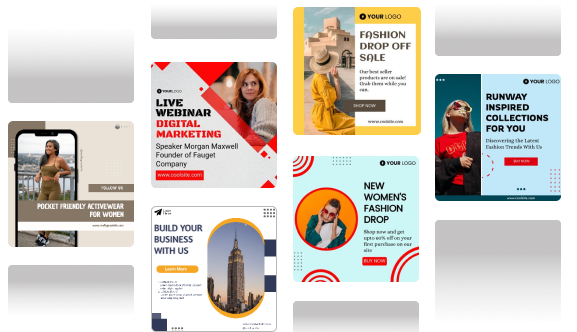
Predis.ai workflow: Paste testimonial or review copy into Predis.ai and generate branded static creatives or Reel scripts or AI-avatar UGC videos in seconds — no design brief, no back-and-forth. Here is what a sample Reel looks like:

Tactic 7 — Run Referral and Contest Campaigns That Capture Emails
Most social contests generate likes and comments, not leads. A contest designed for lead capture uses email submission as the entry requirement — not a follow, tag, or comment. Facebook group membership works the same way. Admins can set membership questions that people answer when they request to join. Entry becomes the point of capture. Each member shares what they choose, such as their email, role, or interests.
- “Enter your email at the link in bio to win” generates a list.
- “Tag three friends to enter” generates reach.
Choose based on your actual goal.
The giveaway prize should be specific to your ideal customer. A generic prize (iPhone, Amazon voucher) attracts everyone except your target.
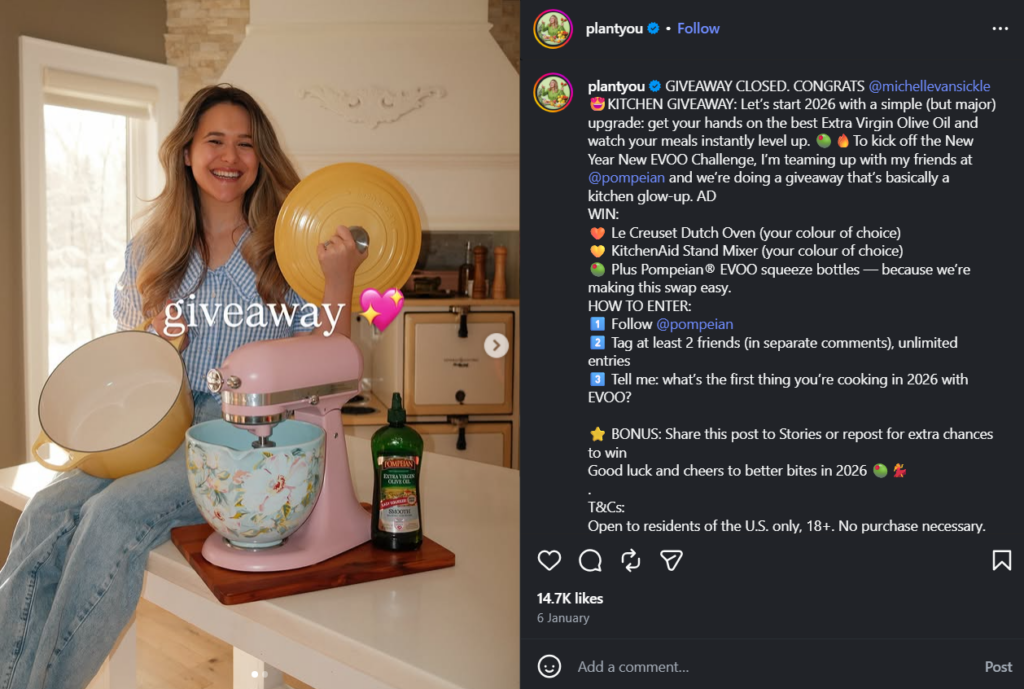
A prize directly relevant to your niche — a free consultation, a product bundle, a 3-month subscription — attracts only the people who would actually buy from you. Always check platform disclosure requirements before launching.
Tactic 8 — Use Hashtags and Social SEO as Passive Lead Channels
Social SEO — optimising content with searchable keywords in captions, bios, alt text, and spoken audio — is the closest thing to passive lead generation available on social. A well-optimised Instagram post or LinkedIn article continues to surface in search results long after its organic reach window has closed.
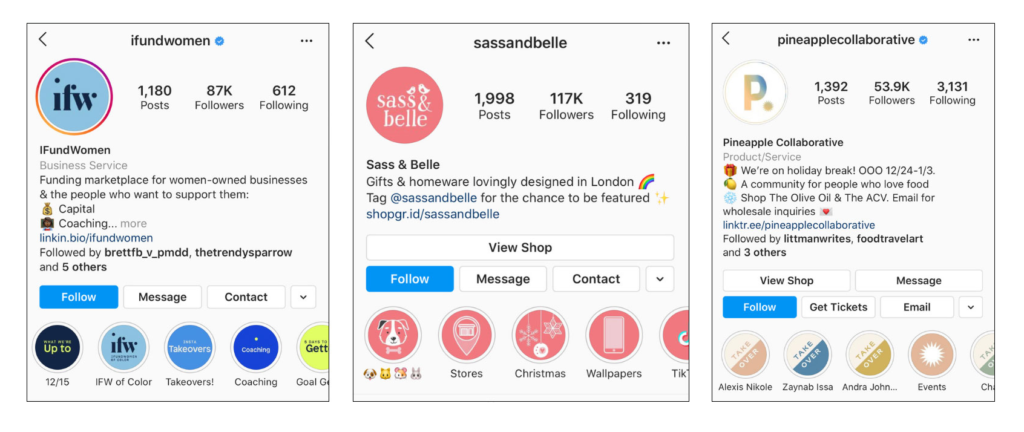
On Instagram:
- Include your primary keyword in the first line of your bio, the first sentence of captions, and in image alt text.
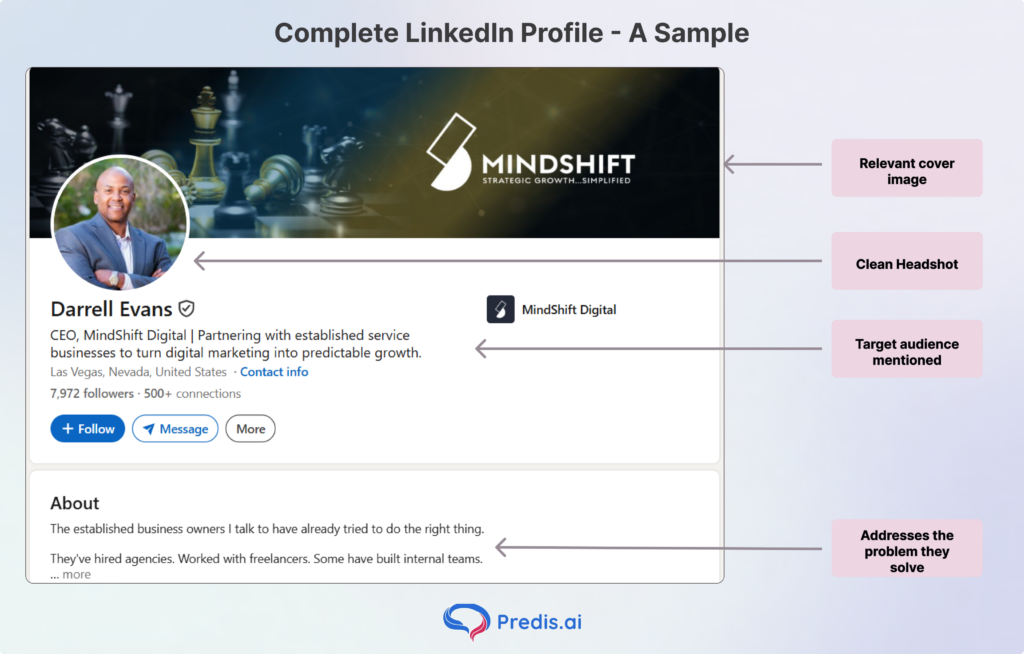
On LinkedIn:
- Keyword-rich headlines, post captions that include the phrases your ideal buyers actually search, and consistent topic clustering.
This all contributes to distribution beyond your existing followers. This is the channel with the lowest cost-per-lead available — SEO-driven lead generation has one of the lowest average costs per lead among all B2B channels.
Predis.ai workflow: Use Predis.ai’s hashtag generator to identify the optimal mix of broad, niche, and community hashtags for each post.
Tactic 9 — Retarget Warm Audiences With Lead-Specific Creative
A person who watched 75% of your educational Reel, visited your profile, and saved three carousels is not the same as someone who’s never encountered your brand. Showing them the same awareness-level ad wastes the intent they’ve already demonstrated.
Build retargeting audiences from social engagement signals:
- Video views
- Profile visits
- Saves
- Story interactions
- Link clicks.
Show this audience mid-funnel content — a case study, a free resource, a limited offer, or a direct invitation to book a call. First-party data gives you a targeting advantage as platforms continue restricting third-party data sharing.
AI-optimised targeting products like Meta’s Advantage+ optimise toward conversion objectives with less manual targeting specification — performance often exceeds manual targeting.
Predis.ai workflow: Use Predis.ai’s competitor analysis tool to benchmark your retargeting creative against competing brands before launching.
Tactic 10 — Deploy a Content Series That Builds Anticipation and Opt-ins
A serialised content series — a recurring format running weekly or bi-weekly — creates an appointment-based reason to follow and subscribe.
The series teases the next instalment and ties the full series to an email opt-in or waitlist. By the time you make an offer, the audience has demonstrated sustained interest across multiple pieces of content — the warmest possible audience for a conversion ask.
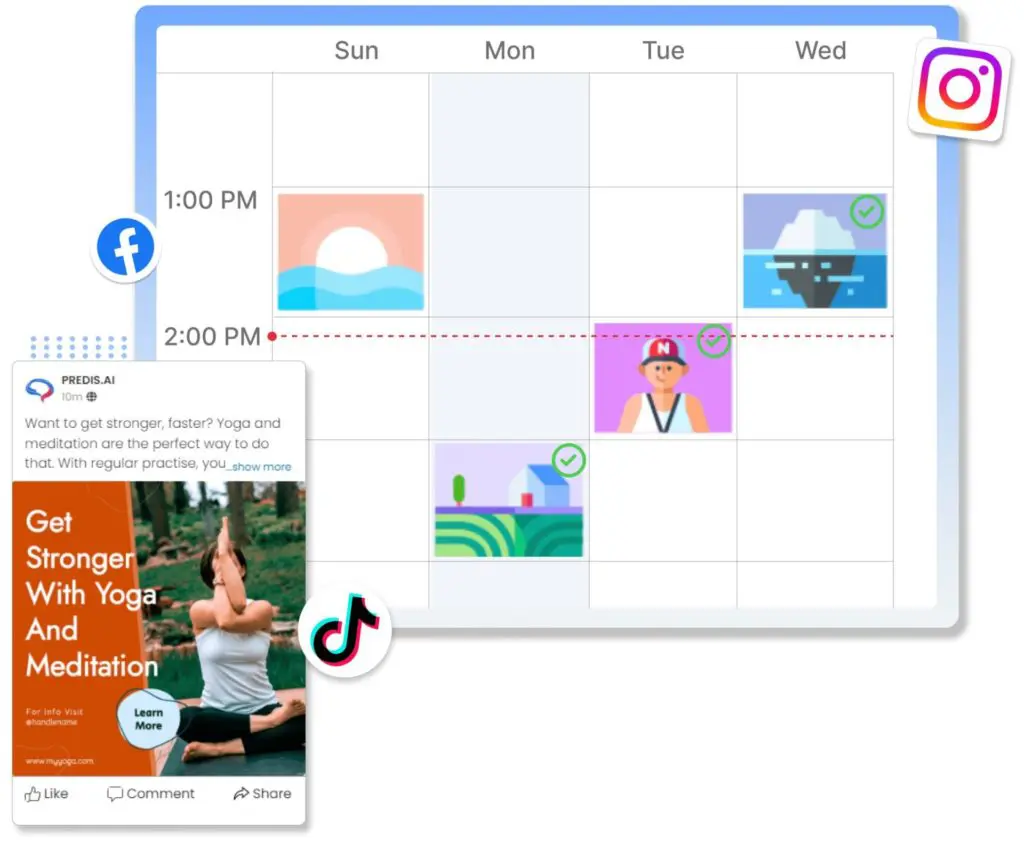
Predis.ai workflow: Plan, batch-generate, and schedule an entire multi-week content series using Predis.ai’s content calendar — map topics, auto-generate post copy and creatives, and set publish times across platforms in one workflow.
Tactic 11 — Use Analytics to Identify What’s Already Driving Lead Intent
The highest-leverage move available to most teams isn’t a new tactic — it’s identifying which content they’re already publishing that is generating lead intent signals, and making more of it.
Lead intent signals are distinct from engagement signals.
- A save means someone wanted to return.
- A profile visit means someone wanted to know more.
- A link click means someone took action.
- A DM means someone was compelled to reach out.
Sort your last 90 days of content by these metrics — not by likes or reach — and the pattern of what’s actually driving pipeline becomes visible.
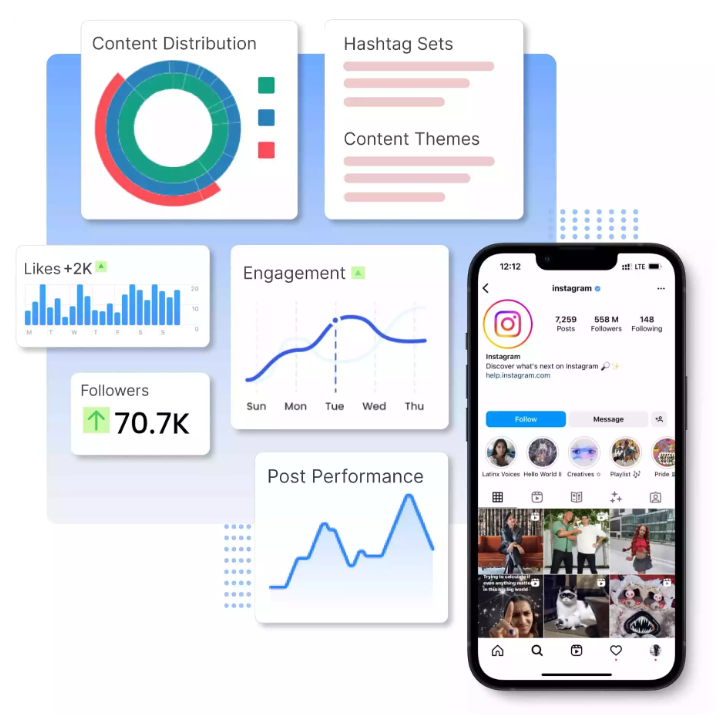
Predis.ai workflow: Use Predis.ai’s analytics dashboard to track which post types and platforms drive the most engagement and click activity — feed these signals into your content calendar monthly.
The Attribution Model Most Marketers Skip
Knowing which tactics generate leads is only half the equation. Social media was identified as the leading revenue-driving channel — but most teams still can’t prove it to their finance department.
The fix is a simple UTM + CRM tagging system. Every link shared from social should include UTM parameters identifying the platform, content type, and campaign. Every captured lead should be tagged in your CRM with its social source.
Map each tactic to a funnel stage:
- Social SEO and educational carousels are for awareness.
- Lead magnet posts and webinars are for the consideration phase.
- Retargeting ads and DM funnels are a decision.
Build a monthly social lead scorecard:
- Which stage is the bottleneck?
- Where are leads dropping off?
- What should be scaled and what should be cut?
The teams pulling ahead are building fewer, better-qualified leads — and they’re using attribution systems that let them prove it.
Turn Socials Into a Lead Engine — Starting Today
The mindset shift that underpins all of social media lead generation is that social media is a pipeline asset, not a vanity metric. Every post is either moving someone closer to a conversation with your brand, or it isn’t. Design accordingly.
Every tactic in this article — carousels, content series, ad creatives, retargeting assets — gets faster with Predis.ai. Start your trial today, build your first lead-ready post today, and let the pipeline do the talking.
FAQ
Platform-native lead forms generate leads faster by eliminating the redirect to a landing page. Paired with an instant CRM notification and a follow-up within the first hour, they consistently outperform most organic alternatives in speed-to-lead.
For B2B brands, LinkedIn is the priority platform — but Instagram is increasingly effective for B2B categories where visual storytelling matters (design, tech, creative services).
Set up UTM parameters on every link you share from social, tag leads by source in your CRM, and run a monthly attribution audit. Without this system, you’re guessing. With it, within 90 days, you’ll have a clear picture of which platforms and content types are generating real pipeline — and which are generating nothing but impressions.