


Explore this content with AI:
Running a small business today isn’t about being the loudest voice in the room; it’s about being the most helpful. In a digital landscape where attention is the new currency, small businesses have a unique advantage: authenticity. While big corporations struggle to sound “human,” you already are one. This guide will show you how to do social media marketing for a small business and humanize your brand in the process.
The days of posting a polished flyer and waiting for the phone to ring are over. Today, social media is a two-way street. They don’t just want to buy from a business; they want to know the people behind it. This shift means that your “smallness” is actually your greatest strength.
Why Your Small Business Needs Social Today
- Social Search is the New Google: About one in three consumers now start their search journey on TikTok or Instagram. If you aren’t there, you don’t exist to them.
- Building a “Moat” with Trust: Authenticity is something big brands can’t replicate at scale. Your personal stories and “messy” behind-the-scenes moments build a level of trust that a multi-million dollar ad campaign can’t buy.
- Zero-Click Value: By providing answers directly in the feed, you become the go-to expert. Even if they don’t click your link today, they’ll remember your name when they’re ready to buy.
- Visibility in the New Search Landscape: Since many consumers now use platforms like TikTok and Instagram as search engines instead of Google, being active ensures your business shows up when they look for local solutions or specific products.
- Direct Pipeline to Your Digital Storefront: Social media acts as a high-traffic highway, using “Link in Bio” and Story stickers to funnel interested browsers directly to your website or booking page.
- Instant Support and Feedback Loops: Platforms offer a faster way to handle questions and issues than traditional email, allowing you to improve the customer experience through real-time DMs and public responsiveness.
Building a Social Media Marketing Strategy for Small Business
A strategy isn’t just a document; it’s a living map that ensures every post serves a specific business purpose. Without a blueprint, you are simply “making noise” in a crowded room. To build a tactical foundation that turns social media into a predictable growth engine, you must move away from random acts of marketing and toward a structured system that prioritizes audience needs.
1. Deep Understanding of Your Target Audience
Successful social media marketing for a small business starts with knowing exactly who you are talking to. You cannot craft a message that resonates if you are aiming at “everyone.” By moving beyond basic demographics and into the psychological “pain points” of your customers, you create content that feels like a personal conversation.
- Identify Friction: Use social listening in niche Reddit threads or Facebook groups to find out what frustrates your audience daily.
- Mirror Their Language: Note the specific words they use to describe their problems and use those same phrases in your captions.
- Define Habits: Determine what time of day they are most likely to scroll and what kind of devices they are using.
2. Goal Alignment and Channel Selection
Not every platform is right for every business. Being “everywhere” often leads to being “nowhere” because your effort is spread too thin. You must select your “Hero Channel” based on where your audience actually spends their time and align it with your revenue goals.
- Pick a Hero Channel: Focus 80% of your energy on one platform (like Instagram for visuals or LinkedIn for B2B) before expanding.
- The 80/20 Rule: Ensure 80% of your posts provide value (education/entertainment) while only 20% are direct sales pitches.
- Funnel Mapping: Ensure you have content for every stage of the buyer’s journey—from those who just discovered you to those ready to buy. You can also use a Social Media QR Code Generator to connect offline audiences with your social profiles through a simple scan.
3. Strategic Competitor Analysis
By observing the “gaps” in your rivals’ strategies, you can position your small business as the unique alternative that provides what they are missing.
- Spot Content Gaps: Look for questions in their comment sections that go unanswered—those are your next post topics.
- Analyze Engagement: Identify which of their formats (video, text, or image) gets the most “saves” versus just “likes.”
- Benchmark Frequency: Note how often they post to determine the “standard” for your niche, then aim to beat them on quality rather than just quantity.
4. Pre-Planning and Content Scheduling
The biggest enemy of a small business owner is “panic-posting.” When you create content on the fly, quality drops and the message becomes inconsistent. A tactical approach involves batching your creative work so you can focus on running your business.
- Batch Creation: Dedicate one morning a week to filming all your videos or writing all your captions at once. A few solid ai photo editing prompts can help you edit and format everything in one sitting.
- Automation Tools: Use scheduling platforms like Predis AI to ensure your posts go live during peak audience hours, even if you’re busy with a client.
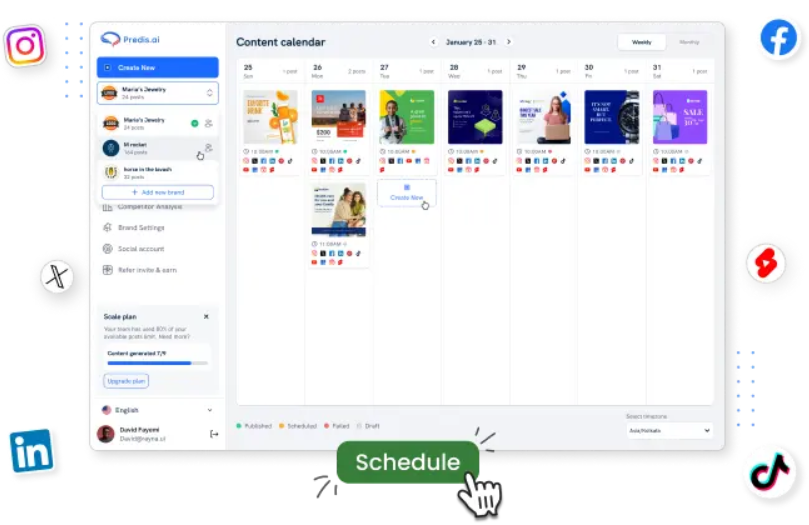
- Maintain Visual Harmony: Planning allows you to see how your “grid” or feed looks as a whole, ensuring a professional brand image.
5. Data-Driven Decisions Through Analytics
Social media is a laboratory, and your analytics are the results of your experiments. If you aren’t checking your data, you are essentially driving in the dark. Analytics tell you exactly where to spend your energy and where to stop wasting your time.
- Track “High-Intent” Metrics: Focus on “Saves” and “Shares” over “Likes,” as these indicate that your content actually provided value.
- Identify Peak Times: Use your platform’s native insights to see exactly when your specific followers are most active.
- Iterative Testing: If a specific style of video performs 3x better than your static images, pivot your strategy to include more of that video style.
Tips & Tricks: Cutting Through the Noise
- Design for the Mute Button: Most people watch social video without sound. Always use captions—tools like Predis.ai or CapCut make this instant.
- The First 3 Seconds: Your “hook” is everything. Start with a question, a shocking stat, or a visual transition to stop the scroll.
- Engagement > Reach: Reply to every comment. The algorithm notices when a post starts a conversation and will show it to more people.
Marketing with Predis.ai: Your AI Content Studio
Predis.ai is like having a full marketing team in your pocket. It helps you skip the “blank page” problem by turning ideas into ready-to-post content.
- Text-to-Post: Type in “3 tips for spring gardening,” and it generates the image, the caption, and the hashtags in seconds.
- Competitor Insights: Use the competitor analysis tool to see what your rivals are posting and—more importantly—what their audience is actually engaging with.
- E-commerce Sync: If you have an online store, you can pull your product catalog directly into Predis to create professional product ads without a photoshoot.
Free Predis.ai Resources to Use Now
Want some free resources to try your hand at? Here are some marketing tools to help you get started!
- AI Meme Maker: Humor is the fastest way to build a bond. Use the free meme generator to poke fun at common industry struggles.
- Hashtag Generator: Stop guessing. Use the tool to find niche-specific hashtags that actually have reach.
- Content Calendar: Plan and schedule your entire week in one 15-minute session.
Measuring ROI: Beyond the Vanity Metrics
| Business Goal | Strategic Focus | Primary Metrics to Track |
| Brand Awareness | Getting your name in front of the right people. | Reach & Impressions: How many unique eyes saw your content. |
| Community Building | Turning passive followers into active fans. | Engagement Rate: Likes, comments, and especially “Shares” to new audiences. |
| Lead Generation | Collecting contact info from interested prospects. | Click-Through Rate (CTR): Clicks on “Link in Bio” or Story swipe-ups. |
| Customer Trust | Proving your expertise and reliability. | Saves: The ultimate signal that your content was valuable enough to keep. |
| Direct Sales | Turning social interactions into revenue. | Conversion Rate: Total sales attributed to social media referral links. |
| Market Authority | Becoming the “go-to” expert in your niche. | Share of Voice: How often people mention or tag your brand vs. competitors. |
| Customer Retention | Keeping existing clients happy and loyal. | Response Time: How quickly you answer DMs and support questions. |
- Monitor “High-Intent” Actions: A “Save” is worth 100 “Likes.” It means your content was so good that the user wanted to keep it.
- Track the Pipeline: Use UTM links to see which posts lead to website visits.
- The “How Did You Hear?” Test: Add a simple field to your contact form. You’ll be surprised how many “Direct” sales actually started on social media.
Additionally, check out the in-app insights to see which posts get the maximum engagement and create more content like that. This way, your content gets interaction, and your pipeline gets more leads.
8 Advanced Strategies to Consider
1. Dark Social Optimization
The most important business conversations don’t happen in the public comments section; they happen in private Slack channels, WhatsApp groups, and direct messages. This is “Dark Social”—the untrackable sharing of content between peers. When a prospect copies your link and sends it to their boss with a note saying, “We need this,” you’ve won, even if your analytics dashboard doesn’t show exactly where that lead came from.
2. Micro-Influencer Collaboration

While celebrity influencers offer massive reach, they often lack the localized trust and high engagement rates found in nano-influencers—creators with 2,000 to 10,000 followers. For running a small business, these creators act as trusted neighborhood voices whose recommendations carry the weight of a friend’s advice rather than a paid advertisement.
3. Serialized Content
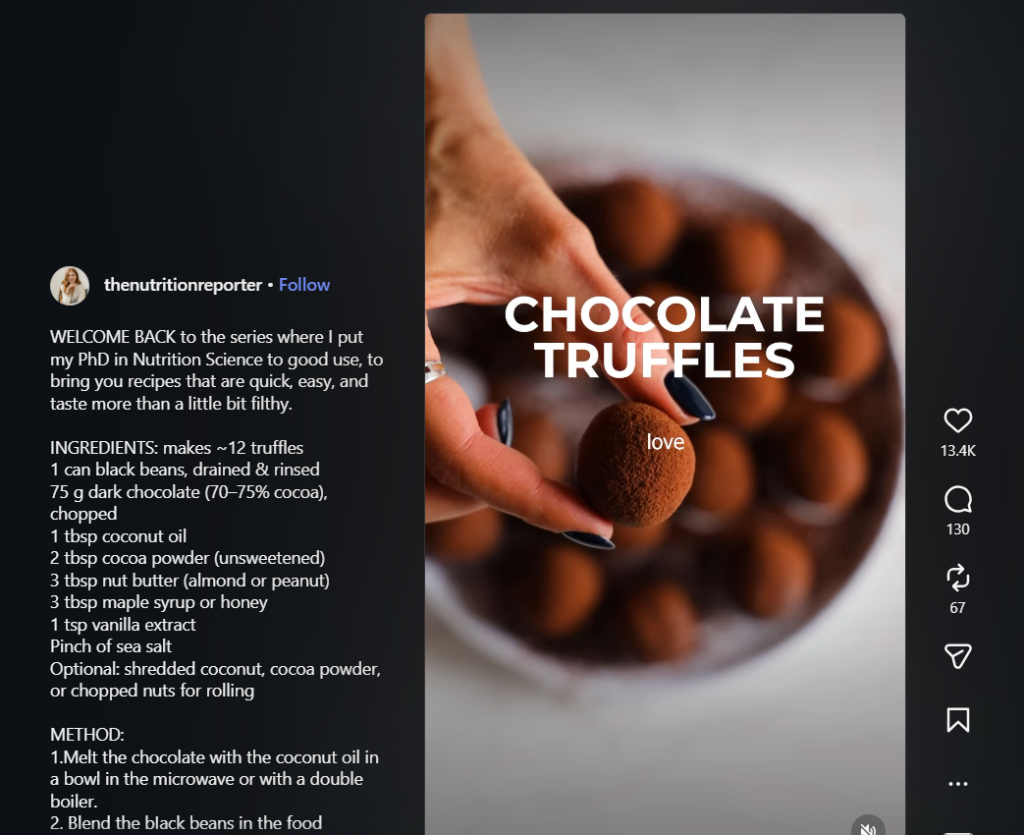
Serialized content—recurring weekly segments like “Tuesday Tips” or “Behind-the-Scenes Fridays”—trains your audience to expect and look for your posts on specific days, like the example above. By creating a predictable “show” format, you stop fighting for attention every single day and start building a loyal viewership that views your brand as an essential part of their weekly routine.
4. Social Selling
Social selling is about building a relationship where the “sale” is the natural conclusion of a helpful conversation. Instead of sending cold DMs that get ignored or marked as spam, your sales team should use social media to become a familiar, friendly face in a prospect’s notifications.
By engaging with a prospect’s content—liking their posts, sharing their insights, or leaving thoughtful comments—you earn the right to enter their inbox. This strategy transforms your team from “annoying salespeople” into “trusted industry peers.”
5. Interactive Polls
By asking your audience directly for their input—whether it’s choosing a new product color, a service package name, or a workshop topic—you eliminate the guesswork that often leads to wasted inventory or failed launches.
When followers feel like they have a “seat at the table” in your business decisions, they transition from passive observers to invested stakeholders who are much more likely to buy the final result because they helped create it.
6. AI Customer Support
In an era of instant gratification, a “response gap” is a “revenue gap.” If a potential customer sends a DM at 2 AM asking about your pricing or shipping and doesn’t get an answer until the next morning, they may have already moved on to a competitor.
AI-assisted support allows you to bridge this gap by automating responses to your most frequently asked questions. By setting up intelligent triggers, you ensure that your business is always “open,” providing immediate value and maintaining lead momentum even while your team is offline.
7. Video “Reply” to Comments
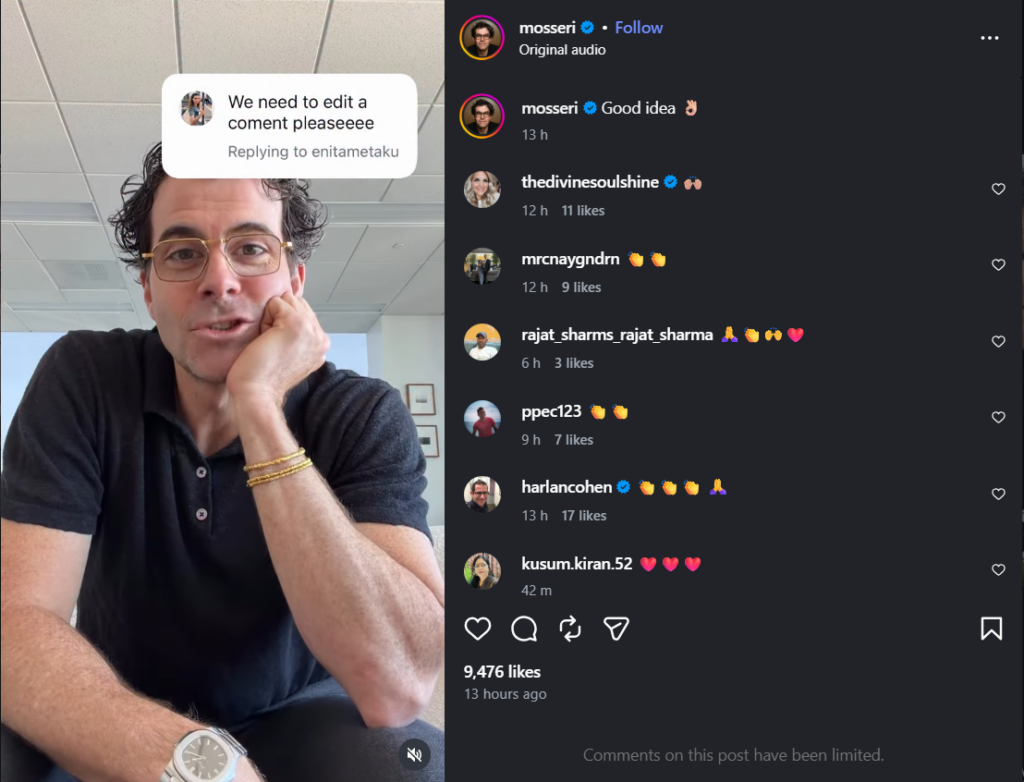
A text-based reply is efficient, but a video reply is memorable. When you respond to a user’s comment with a quick, personalized video—a feature native to platforms like TikTok and Instagram Reels—you instantly break the “fourth wall” of digital marketing. This tactic proves that there is a real human being listening to the community, not just a social media manager or a bot.
8. Repurposing Mastery
By shifting your mindset from “creating more” to “distributing better,” you ensure that your best ideas reach every corner of your audience without requiring you to film something new every single day. One high-quality long-form video can provide enough fuel for an entire month of social media activity.
Conclusion: Start Small, Scale Fast
Social media success isn’t about being perfect; it’s about being present. Don’t let the technical side overwhelm you. Use AI to handle the heavy lifting of content creation so you can focus on the human side of your business.
Your First Step: Pick one “pain point” your customers have and create a post today that solves it. No sales pitch—just pure value.
FAQ: Frequently Asked Questions
Cross-posting the same file and caption to Instagram, LinkedIn, and TikTok is a common mistake. Each platform has a different “DNA” and audience expectation. While the message can be the same, the delivery must be adapted to fit the specific culture of the app.
Hashtags have shifted from being “growth hacks” to “categorization tools.” In 2026, the algorithm uses your hashtags to understand who to show your content to, rather than just dumping your post into a massive feed. By using tools like Predis AI, you can find the perfect hashtags without a lot of effort.
For a small business, a negative comment is actually an opportunity to showcase your customer service. Unless the comment is spam or uses offensive language, do not delete it. Responding calmly and professionally shows potential customers that you are accountable and easy to work with, even when things go wrong.