

Erkunden Sie diese Inhalte mit KI:
Jeder Überblick über Social-Media-Trends informiert Sie über die aktuellen Geschehnisse. Fast keiner verrät Ihnen jedoch, welche Trends Ihr Budget, Ihren Redaktionsplan und die Aufmerksamkeit Ihres Teams wert sind.
Genau diese Lücke schließt dieser Leitfaden. Die folgenden Social-Media-Trends sind in fünf strategische Cluster unterteilt: KI und Automatisierung, Content-Formate, Zielgruppe und Community, Social Commerce sowie Strategie und Messung. Jeder Cluster beleuchtet einen anderen Aspekt derselben Geschichte: Die Social-Media-Landschaft im Jahr 2026 belohnt Marken, die bewusst wählen, nicht solche, die jedem Trend hinterherjagen.
Am Ende gibt es einen Rahmen, anhand dessen man entscheiden kann, welche dieser Trends tatsächlich in die eigene Strategie gehören – denn die Antwort ist für jede Marke anders.
Alle Social-Media-Trends auf einen Blick
| Cluster | Trends |
|---|---|
| KI & Automatisierung | 1. KI-generierte Inhalte 2. Vorausschauende Terminplanung 3. Automatisierte Wettbewerbsanalyse 4. KI-Video |
| Inhalte & Plattform | 5. Kurzvideo 6. Comeback des Karussells 7. Langform-Rückgaben 8. Soziale Suche 9. Neue Plattformen |
| Publikum & Community | 10. Mikro-Gemeinschaften 11. Creator-Partnerschaften 12. Von Mitarbeitern erstellte Inhalte 13. Werteorientierte Inhalte |
| Social Commerce | 14. Einheimischer Sozialhandel 15. Live-Commerce 16. Nutzergenerierte Inhalte als Werbemittel |
| Strategie & Messung | 17. Dunkle soziale 18. Plattformdiversifizierung |
KI- und Automatisierungstrends
1. KI-gestützte Inhaltserstellung ist nicht länger optional
Die Diskussion hat sich von „Sollten wir KI für Inhalte einsetzen?“ zu „Wie viel unserer Content-Pipeline läuft auf KI?“ verlagert. Im Jahr 2026 bedeutet KI-nativ, dass KI in jede Phase der Produktion integriert ist – von der Ideenfindung über die Konzeption und die visuelle Gestaltung bis hin zum Verfassen von Bildunterschriften und der Terminplanung – und nicht nur gelegentlich als Abkürzung hinzugefügt wird.
Der entscheidende Unterschied: KI beschleunigt und skaliert Bereiche, in denen die Markenstimme standardisiert werden kann (z. B. Bildunterschriftenvarianten, Hashtag-Recherche, Anpassung von Werbemitteln). Sie kann jedoch menschliches Urteilsvermögen in Bezug auf Strategie, Tonalität und beziehungsorientierte Inhalte nicht ersetzen. Erfolgreiche Marken integrieren KI in die Produktion und setzen auf menschliche Expertise in der Redaktion.
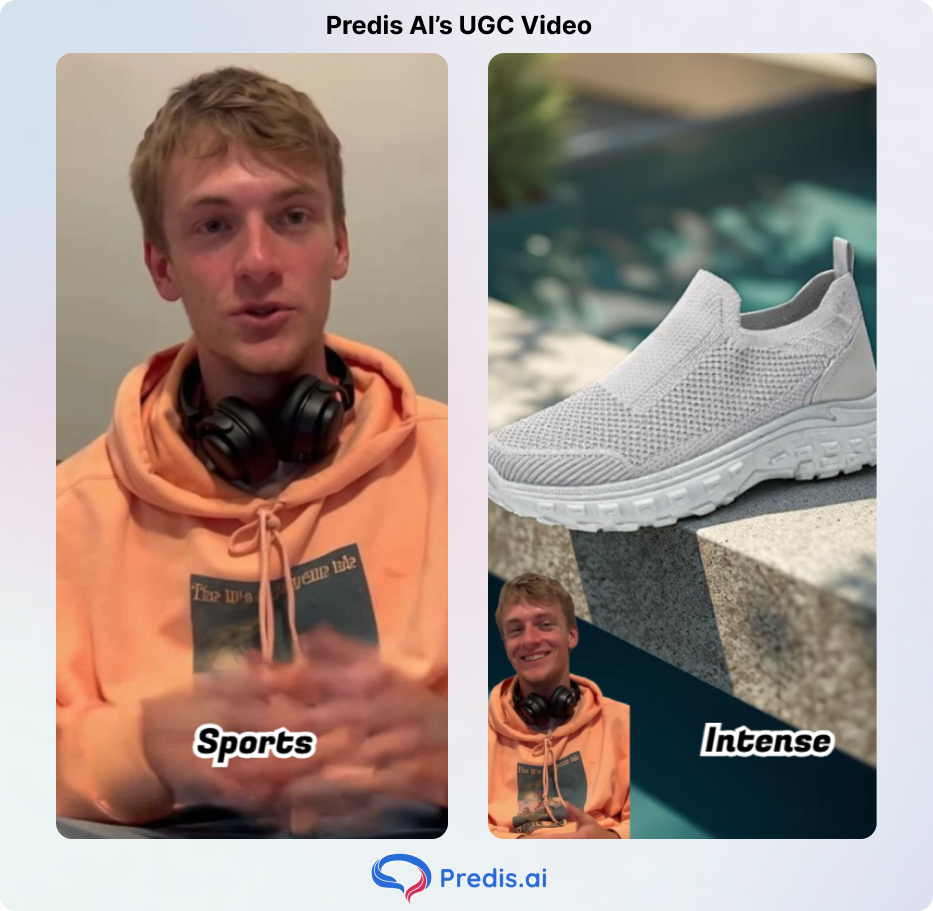
Tools wie Predis AI Den gesamten Workflow abdecken – vom Content-Briefing über die Marken-Kreation bis hin zur geplanten Veröffentlichung – und so die KI-native Produktion für Teams von zwei oder zwanzig Personen operativ realisierbar machen.
Hier ist beispielsweise ein Beispielvideo, das von Predis AI:
2. Vorausschauende Inhaltsplanung ersetzt das Bauchgefühl beim Timing
Die Diagramme zur „Besten Posting-Zeit“ sind Durchschnittswerte. Sie zeigen, wann die jeweilige Zielgruppe aktiv ist – also genau dann, wenn alle anderen um Aufmerksamkeit buhlen. Ab 2026 werden KI-gestützte Planungstools auf kontospezifische Vorhersagen umstellen, die auf den bisherigen Interaktionsmustern Ihrer Zielgruppe basieren, anstatt auf allgemeinen Benchmarks.
Der zugrundeliegende Mechanismus: Die Interaktionsrate in den ersten 30–60 Minuten nach dem Posten ist eines der wichtigsten Signale, die Plattformen für ihre Verbreitungsentscheidungen nutzen. Ein Beitrag, der viele Speicherungen und Shares erzielt, wird sofort einem breiteren Publikum präsentiert.
Ein Beitrag, der wirkungslos bleibt, bringt nichts. Die vorausschauende Planung optimiert das Zeitfenster für die Reichweite basierend auf Ihren spezifischen Followern, nicht auf einem Durchschnittswert.
Verbessern Sie den ROI von Social Media ⚡️
Sparen Sie Zeit und erstellen Sie im großen Maßstab mit KI
VERSUCHE ES JETZT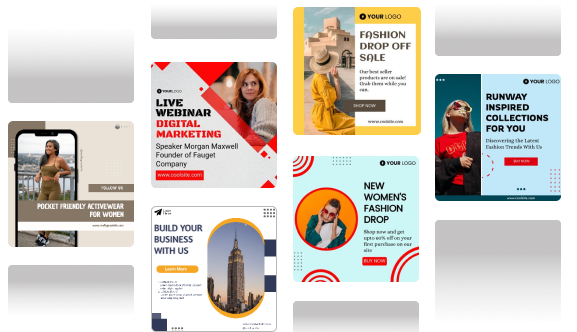
3. Automatisierte Wettbewerbsanalyse ist heute ein Standardinstrument für Marken.
Trends in sozialen Medien entwickeln sich so rasant, dass die manuelle Wettbewerbsbeobachtung – also das tägliche Prüfen von fünf Accounts, das Erstellen von Screenshots und das manuelle Verfolgen von Hashtags – für kein Team, das strategische Entscheidungen trifft, mehr praktikabel ist. Die Marken, die 2026 die Nase vorn haben wollen, haben diese Ebene vollständig automatisiert.
Was es wert ist, verfolgt zu werden:
- Änderungen der Veröffentlichungsfrequenz (ein Konkurrent verdoppelt plötzlich seine Veröffentlichungsfrequenz) Reel (Die Ergebnisse signalisieren in der Regel eine neue Kampagne oder eine Formatänderung.)
- Änderungen des kreativen Formats (z. B. Wechsel von statisch zu karussellartig oder Hinzufügen von Text-Overlays auf dem Bildschirm)
- Hashtag-Cluster-Änderungen (Eintritt in eine neue Themenkategorie)
- Engagement-Anomalien (Beiträge, die ihren Durchschnitt um das Dreifache oder mehr übertreffen, erhalten wahrscheinlich eine Explore-Verteilung).
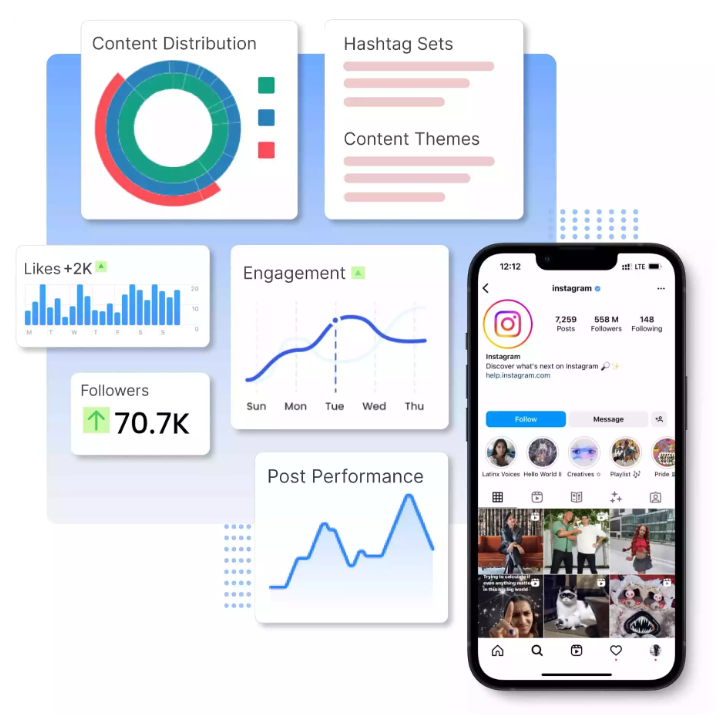
Predis KI's Tool zur Konkurrenzanalyse Diese Signale werden in Echtzeit ohne manuellen Rechercheaufwand sichtbar gemacht.
4. KI-generierte Videoinhalte werden vom Experimentalstadium zum Mainstream
Der Stand von KI-Video im Jahr 2026 für Markencontent: KI-gestütztes Video (von Menschen aufgenommenes Material mit KI-generierten Skripten, Voiceovers und Bearbeitung) ist weit verbreitet und erzielt Erfolge. Vollständig KI-generiertes Video, das als authentischer Social-Media-Content durchgeht, befindet sich noch teilweise im experimentellen Stadium – das Problem des Uncanny Valley ist bei Videos mit sprechenden Personen noch nicht vollständig gelöst.
Wo KI-Video bereits im Einsatz ist:
- Text-zu-Video-Erklärinhalte für Bildungsbeiträge
- KI-Sprachausgabe zu Produktdemonstrationsvideos
- KI-gestützte Bearbeitung, die erzeugt Reel Zusammenschnitte aus längeren Rohvideos werden in Minuten statt in Stunden erstellt.
D2C- und SaaS-Marken nutzen diese Tools, um auch ohne ein eigenes Videoproduktionsteam einen regelmäßigen Veröffentlichungsrhythmus von Kurzvideos zu gewährleisten.
2. Trends bei Inhaltsformaten und Plattformen
5. Kurzvideos verstärken sich als wichtigster Reichweitenmotor.
Die algorithmische Dominanz von Kurzvideos stagniert nicht – sie verstärkt sich. Instagram, TikTok und YouTube gewichten Kurzvideos weiterhin überproportional stark in ihren Empfehlungen und der Explore-Seite. Das Format, das 2026 neue Follower generiert, ist nach wie vor … Reel oder ein Kurzfilm; alles andere dient der Pflege der Beziehungen zum bestehenden Publikum.
Die Hook-Loop-CTA-Struktur, die leistungsstarke Kurzformen im Jahr 2026 definiert:
- Ein Aufhänger, der innerhalb von 3 Sekunden einen Grund zum Zuschauen schafft.
- Eine Schleife, die den Zuschauer zum erneuten Ansehen animiert (in der Regel eine offene Frage oder eine Überraschung mitten im Video).
- Ein CTA, der die nächste Aktion anweist
Plattformspezifische Nuancen sind ebenfalls ein wichtiger Faktor: TikTok belohnt Tempo und Unterhaltung. Reels Belohnt Informationsdichte, Shorts belohnen Suchrelevanz.
6. Das Comeback des Karussells: Beiträge mit mehreren Frames erzielen überproportionale Reichweite
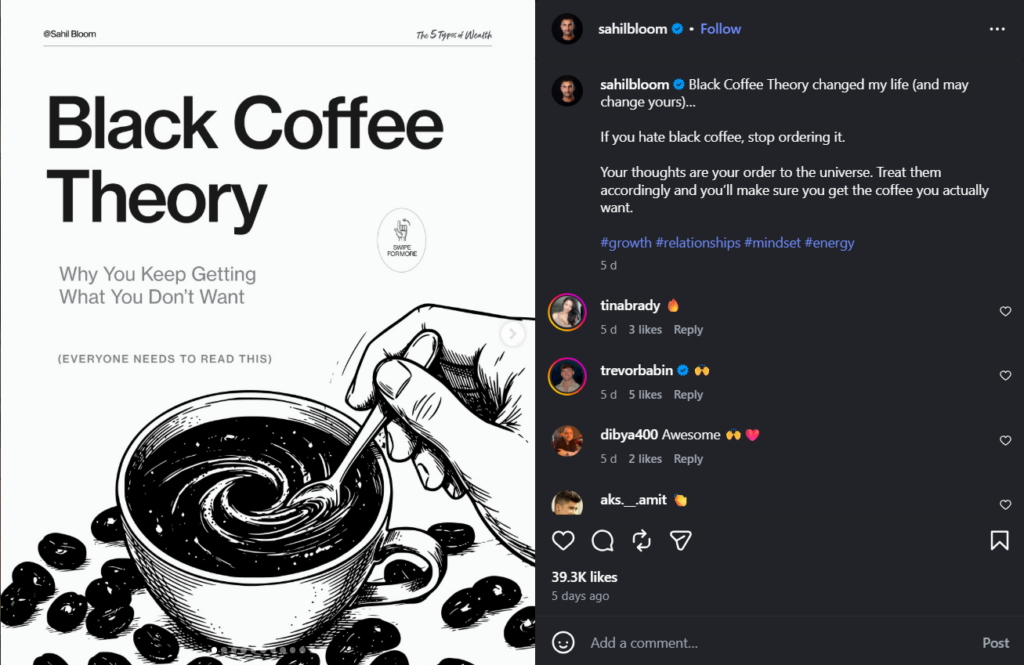
Karussells sind einzelnen statischen Pfosten um Längen voraus. größerer Spielraum Sowohl auf Instagram als auch auf LinkedIn. Der Mechanismus: Die Swipe-Through-Rate fungiert als Abschlusssignal, ähnlich wie bei Reel Wiedergaberate – ein Beitrag, der über alle 10 Frames hinweg gewischt wird, signalisiert dem Algorithmus, dass der Inhalt Aufmerksamkeit erregt hat und löst eine breitere Verbreitung aus.
Die Inhaltstypen, die sich im Karussellformat am besten eignen:
- Schrittweise Lerninhalte
- Vorher/Nachher-Vergleiche
- Datenstorytelling mit einer Erkenntnis pro Frame
- Produktvergleichsleitfäden.
Das Prinzip: Jedes Einzelbild muss einen neuen Mehrwert bieten und darf keine Füllsequenzen sein – ein Zuschauer, der beim siebten von zehn Bildern ankommt, sollte das Gefühl haben, etwas zu verpassen, wenn er aufhört.
7. Längere Inhalte erzielen auf LinkedIn und YouTube nur einen selektiven Return on Investment.
Das Nutzerverhalten ist polarisierend: entweder sehr kurz oder sehr lang, wobei die 3- bis 5-minütige Mitte oft übersprungen wird. Auf LinkedIn erzielen ausführliche Newsletter und Originalartikel eine Reichweite, die mit Standardbeiträgen nicht erreicht werden kann.
Auf YouTube bauen längere, fachkundige Inhalte (10- bis 20-minütige Lehrvideos) eine thematische Glaubwürdigkeit auf, die mit Kurzformaten nicht erreicht werden kann.
Die strategische Implikation: Marken müssen sich nicht zwischen kurz und lang entscheiden. Sie müssen vielmehr wählen, welches Format welchem Ziel dient – kurz für Reichweite und Auffindbarkeit, lang für Tiefe und Autorität.
8. Suchmaschinenoptimierung in sozialen Medien wird unverzichtbar.
TikTok, Instagram und LinkedIn sind für einen Großteil der unter 35-Jährigen mittlerweile die wichtigsten Suchmaschinen. Nutzer suchen direkt auf diesen Plattformen nach Anleitungen, Produktbewertungen, lokalen Unternehmen und professioneller Beratung – und umgehen damit Google bei einer wachsenden Anzahl von Suchanfragen.
Die Optimierung für die plattforminterne Suche bedeutet, Bildunterschriften, Bildschirmtexte und Biografien als indexierbare Inhalte zu behandeln. Die spezifischen Suchbegriffe, die Ihre Zielgruppe für Ihre Kategorie verwendet, gehören als natürliche Sprache in Ihre Bildunterschriften und dürfen nicht als Keyword-Stuffing verwendet werden.
Das Hinzufügen eines Alternativtextes zu jedem Bild ist eine 30-sekündige Routine, die die meisten Mitbewerber vernachlässigen – der Algorithmus interpretiert ihn als Metadaten zur Inhaltsklassifizierung. Die Schlüsselwörter in der Profilbeschreibung sind das erste Klassifizierungssignal, das die Plattform verwendet, um zu entscheiden, wem Ihre Inhalte angezeigt werden.
Dominieren Sie die sozialen Medien 🔥
Steigern Sie Social-Media-Output und ROI mit KI
VERSUCHE ES JETZT
9. Neue Plattformen schaffen Chancen für Pioniere.
Threads Bluesky erreicht bis 2026 eine markenrelevante Zielgruppe. Bluesky wächst in spezifischen professionellen Communities und bei Kreativen. Beide Plattformen erfordern kein sofortiges volles Engagement, belohnen aber eine frühe Präsenz mit überproportionaler organischer Reichweite, da ihre Algorithmen aktive Accounts immer noch aggressiver in die Feeds einspielen als etablierte Plattformen.
Der 4-Signal-Test für jede neue Plattform:
- Nutzt Ihre Zielgruppe es?
- Ist die organische Reichweite derzeit höher als auf etablierten Plattformen?
- Lässt sich plattformnativer Content ohne signifikante neue Ressourcen erstellen?
- Zeigt die Plattform Anzeichen für nachhaltiges Wachstum?
Wenn drei von vier Signalen positiv ausfallen, lohnt sich ein Test der Präsenz.
3: Publikums- und Community-Trends
10. Mikro-Communities sind effektiver als Massenkommunikationsstrategien
Die engagiertesten Zielgruppen mit dem höchsten Kundenwert (LTV) im Jahr 2026 befinden sich nicht in öffentlichen sozialen Netzwerken, sondern auf Discord-Servern, Telegram-Kanälen, geschlossenen Facebook-Gruppen und WhatsApp-Communities. Eine Marke mit 500 aktiven Mitgliedern in einer eigenen Community hat eine größere Marktmacht als eine Marke mit 50,000 passiven Followern auf Instagram.
Die Herausforderung der Migration: Um Ihre öffentliche Social-Media-Reichweite in eine eigene Community zu überführen, müssen Sie Ihren Followern einen Grund geben, Ihnen auch dort zu folgen, wo es etwas umständlicher ist. Erfolgreiche Marken bieten exklusive Inhalte, frühzeitigen Zugriff oder die direkte Interaktion mit Gründern und Experten – einen Mehrwert, der in einem öffentlichen Feed nicht erreicht werden kann.
11. Partnerschaften mit Content-Erstellern ersetzen traditionelle Markeninhalte als Vertrauenssignal
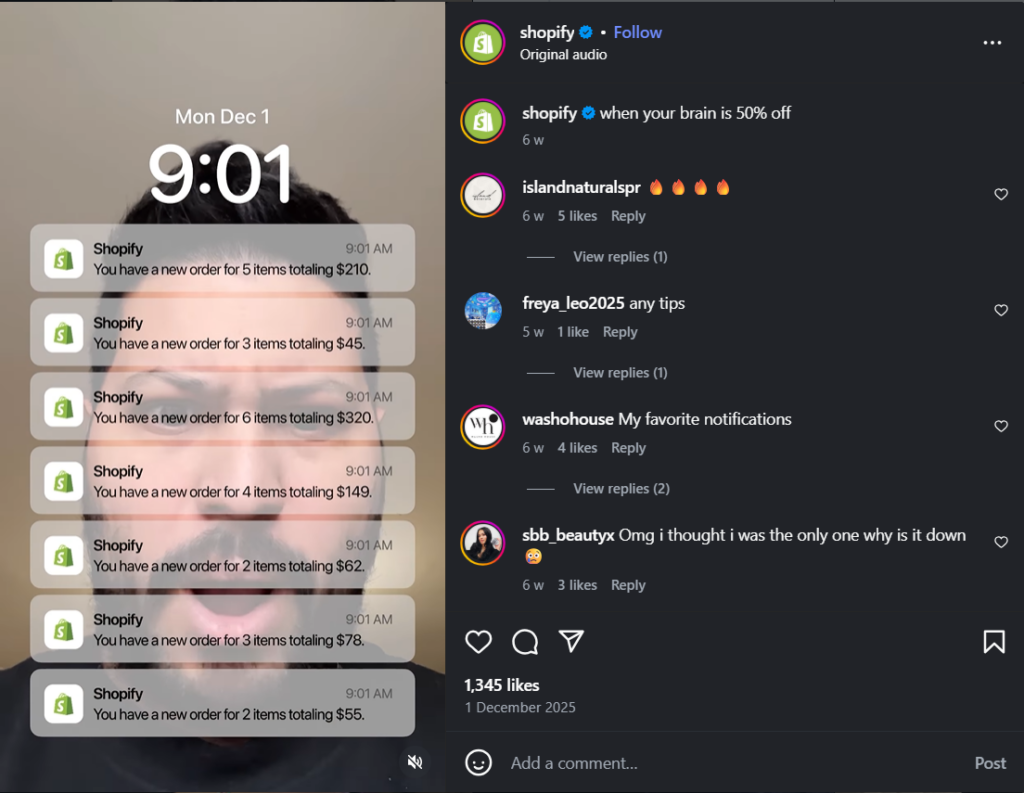
Markeneigene Inhalte verlieren an Glaubwürdigkeit, während Inhalte von Kreativen an Glaubwürdigkeit gewinnen. Shopify hat dies offensichtlich erkannt, denn der Feed ist voll von Inhalten von Kreativen und enthält deutlich weniger eigene Inhalte.
Der Wandel: Das Publikum unterscheidet zunehmend zwischen „Diese Marke möchte, dass ich etwas kaufe“ und „Diese Person, der ich folge, nutzt und empfiehlt dieses Produkt wirklich“. Letzteres führt zu höheren Konversionsraten und bewirkt einen strukturellen Wandel in der Art und Weise, wie Marken ihre Social-Media-Budgets verteilen.
Das Modell, das Makro-Influencer-Kampagnen ersetzt: Permanente Partnerschaften mit 10–50 Nano- und Mikro-Creatorn, die regelmäßig über die Marke berichten – im Rahmen ihrer natürlichen Inhalte und nicht als separate gesponserte Beiträge.
Der kumulative Effekt von 30 Content-Erstellern, die jeweils 5,000 engagierte Follower erreichen, übertrifft den Effekt eines einzelnen Content-Erstellers, der 500,000 nicht engagierte Follower erreicht.
12. Von Mitarbeitern erstellte Inhalte werden zum Wettbewerbsvorteil
Von Mitarbeitern selbst erstellte Inhalte – Einblicke in den Arbeitsalltag, Hintergrundgeschichten zur Marke, Teamperspektiven zu Branchenfragen – erzielen auf LinkedIn deutlich höhere Reichweiten und Interaktionen als professionell produzierte Markenbotschaften. Der Algorithmus belohnt diese Art von Inhalten, da sie mehr Kommentare und Reaktionen generieren. Die Zielgruppe vertraut ihnen, weil sie nicht gestellt wirken.
Aufbau eines Mitarbeiter-Content-Programms, das sich nicht aufgesetzt anfühlt:
- Die Teilnahme sollte auf freiwilliger Basis erfolgen.
- Bereitstellung von Inhaltsrahmen (keine Skripte).
- Die Mitwirkenden öffentlich würdigen
- Geben Sie den Mitarbeitern klare Richtlinien, was geteilt werden darf und was nicht, ohne die Richtlinien so restriktiv zu gestalten, dass ein authentischer Ausdruck unmöglich wird.
13. Werteorientierte Inhalte entwickeln sich vom netten Extra zum Kaufentscheidungsfaktor
Die Generation Z und die Millennials treffen ihre Kaufentscheidungen zunehmend danach, wie Marken ihre Werte in den sozialen Medien repräsentieren. Das ist nicht neu – aber die Anforderungen sind gestiegen.
Eine Marke, die nur einmal im Quartal über Nachhaltigkeit berichtet, ist keine Nachhaltigkeitsmarke; eine Marke, die ihre Lieferkette, die Beschaffung ihrer Inhaltsstoffe oder ihre Bemühungen zur Emissionsreduzierung konsequent dokumentiert, schafft eine Werteidentität, die das Verhalten beeinflusst.
Die Authentizitätsgrenze: Konkrete, belegte und konsistente Werte schaffen Vertrauen. Vage, ambitionierte Aussagen über Sinn und Wirkung wecken Skepsis. Marken, die dies richtig machen, teilen den Prozess, nicht nur das Ergebnis – sie zeigen die Entscheidungen, die ihre Werte widerspiegeln, anstatt die Werte zu verkünden, ohne Beweise zu liefern.
4: Trends im Bereich Social Commerce und Conversion
14. Social Commerce wird ausgereift: Der Kaufbutton ist in jede Plattform integriert.
Instagram Shop, TikTok Shop und Pinterest Shopping haben Social Media gemeinsam zu einer nativen Einkaufsumgebung gemacht, anstatt es nur als Traffic-Kanal zu nutzen. Der Prozess zwischen Entdeckung und Kauf wurde auf den meisten großen Plattformen auf drei Klicks reduziert.
Für D2C-Marken bedeutet dies, den Social-Media-Funnel zu überdenken:
- Inhalte lenken nicht nur Besucher auf eine Website, sondern fördern auch Käufe innerhalb der Plattform.
- Marken, die permanent aktive Social-Commerce-Funnels aufbauen – beispielsweise Beiträge mit Produkt-Tags, kaufbare Stories oder Produktseiten mit Verlinkungen zu den jeweiligen Creatorn –, sind weniger abhängig von kampagnenbedingten Umsatzspitzen und widerstandsfähiger gegenüber Algorithmus-Schwankungen.
15. Nutzergenerierte Inhalte sind heute der Treibstoff für Performance-Marketing.
Von Kunden erstellte Inhalte – Unboxing-Videos, Produktrezensionen, „Ich habe es 30 Tage lang getestet“-Aufnahmen – werden im Jahr 2026 bei bezahlten Social-Media-Auktionen besser abschneiden als von Studios produzierte Werbemittel.
Der Grund: Die Algorithmen von Werbeplattformen belohnen Inhalte, die Interaktionen hervorrufen, und authentische nutzergenerierte Inhalte erzielen höhere Interaktionen als aufpolierte Anzeigen, weil die Nutzer nicht instinktiv daran vorbeiscrollen.
Marken systematischen Aufbau von UGC Sammelprogramme erfüllen drei Funktionen:
- Kunden aktiv dazu auffordern, Inhalte nach dem Kauf zu teilen
- Lizenzierung dieser Inhalte zur kostenpflichtigen Nutzung (unerlässlich – organisches Reposting ≠ bezahlte Werberechte)
- Aufbau einer Content-Pipeline, in der Kundeninhalte gleichzeitig sowohl organische Beiträge als auch bezahlte Werbemittel speisen.
- B2B-Branchen holen auf und passen sich dieser Dynamik an – Flottenbetreiber nutzen beispielsweise Branchenressourcen, um Flottenkarten vergleichen Vor jedem Verkaufsgespräch sollten Peer-Reviews und Vergleichsleitfäden als unerlässliche Recherche vor dem Kauf betrachtet werden, die dem Nutzungsverhalten von Konsumenten im Bereich UGC entspricht.
5: Strategie- und Messtrends
16. Dark Social wird zum Mess-Blindfleck, den Marken nicht länger ignorieren können
Dark Social – Inhalte, die über private Kanäle (Direktnachrichten, WhatsApp-Nachrichten, Slack-Gruppen, E-Mail-Weiterleitungen) geteilt werden – wächst schneller als die öffentliche Teilung und ist für herkömmliche Attributionsmodelle nahezu völlig unsichtbar.
Wenn jemand deinen Instagram-Beitrag per Direktnachricht an einen Freund weiterleitet, dieser Freund daraufhin deine Website besucht und etwas kauft, ordnet deine Analyse die Sitzung als „direkt“ zu. Der Beitrag selbst erhält dafür keine Gutschrift.
Die daraus resultierende Messimulation: Marken, die nur zugeordnete Conversions erfassen, unterschätzen systematisch ihre besten Social-Media-Inhalte.
Proxy-Metriken für dunkles soziales Zu den Einflussfaktoren gehören:
- DM-Volumen
- Direkte Traffic-Spitzen nach der Veröffentlichung von Inhalten
- Änderungen des Suchvolumens von Marken
- Verhältnis der geteilten Beiträge zu den Followern.
Diese Daten ermöglichen keine genaue Zuordnung der Inhalte, signalisieren aber, dass Inhalte in privaten Kanälen zirkulieren.
17. Plattformdiversifizierung wird zum Risikomanagement
Die Abhängigkeit von einer einzigen Plattform stellt 2026 ein Geschäftsrisiko dar. Algorithmusänderungen, politische Kurskorrekturen oder geopolitische Plattformbeschränkungen können die primäre Social-Media-Reichweite einer Marke über Nacht zunichtemachen. Marken, die ihre gesamte Präsenz auf einer einzigen Plattform aufgebaut haben, mussten dies in den letzten Jahren erfahren; die Lektion verbreitet sich langsam, aber deutlich.
Die 3-Plattform-Minimumstrategie:
- Primäre Plattform (wo der größte Teil der Content-Produktionsbemühungen stattfindet)
- Sekundäre Plattform (auf der wiederverwendete Inhalte die Reichweite vergrößern)
- Ein Community- oder eigener Kanal (hin wohin die engagierteste Zielgruppe zur Beziehungspflege migriert wird).
Das Ziel ist nicht die gleiche Präsenz überall – es geht um eine ausreichende Vertriebsredundanz, sodass keine einzelne Plattformentscheidung den Zugang Ihres Publikums verhindern kann.
Die Trend-Adoptionsmatrix 2026: So entscheiden Sie, welche Trends in Ihre Strategie gehören
Die oben genannten Trends spiegeln die allgemeine Entwicklung wider. Sie müssen nicht alle gleichzeitig in Ihre Strategie einfließen.
Das 4-Achsen-Bewertungsmodell:
Bewerten Sie jeden Trend anhand von vier Dimensionen mit 1 bis 5 Punkten:
| Achse | Die Frage | Was hohe Punktzahlen bedeuten |
|---|---|---|
| Publikumstauglich | Nutzt meine Zielgruppe diesen Trend aktiv oder wird sie von ihm beeinflusst? | Hohe Relevanz für Ihren spezifischen Markt |
| Markenbereitschaft | Verfüge ich über die Inhalte, Tools oder Teamkapazitäten, um dies umzusetzen? | Geringe Implementierungshürde |
| Konkurrenzdruck | Profitieren Konkurrenten bereits von diesem Trend? | Dringlichkeit der Adoption |
| ROI-Zeitleiste | Werden sich damit innerhalb von Wochen oder Monaten Ergebnisse zeigen? | Priorisierung vs. Geduld |
Multiplizieren Sie Ihre Punktzahlen und ordnen Sie die Trends nach der Gesamtpunktzahl. Die höchsten Punktzahlen entsprechen Ihren Prioritäten für das erste Quartal. Mittlere Punktzahlen repräsentieren Pläne für das zweite und dritte Quartal. Niedrige Punktzahlen deuten entweder auf langfristige Beobachtungen oder auf tatsächliche Unstimmigkeiten mit Ihrer Marke hin.
Der Fahrplan für das 1. bis 4. Quartal:
- Q1: Drei Trends pilotieren – einen mit schnellem Erfolg, einen mittelfristigen und einen experimentellen. Basiskennzahlen festlegen.
- Q2Die Pilotprojekte, die ihre Kennzahlen erreichen, werden skaliert. Diejenigen, die die Kennzahlen nicht erreichen, werden eingestellt oder pausiert. Ein neuer Trend wird hinzugefügt.
- Q3Optimieren Sie Ihre skalierten Aktivierungen. Testen Sie kreative Varianten. Bauen Sie das operative System auf.
- Q4Prüfen Sie, welche Faktoren sich positiv ausgewirkt haben. Integrieren Sie die erfolgreichsten Faktoren in Ihre Basislinie für 2027. Planen Sie die Pilotprojekte für das nächste Jahr.
Die Marken, die 2026 gestärkt aus dem Jahr hervorgehen, sind nicht diejenigen, die allen 18 Trends hinterhergejagt sind. Sie sind diejenigen, die drei Trends ausgewählt, diese diszipliniert umgesetzt und Systeme entwickelt haben, die diese drei Trends im Laufe der Zeit noch effektiver gemacht haben.
Fazit
Die Marken, die gewinnen, sind diejenigen, die bewusst auswählen – die einen Rahmen anwenden, um zu entscheiden, welche drei Trends in ihre Strategie gehören, diese drei diszipliniert umsetzen und die operativen Systeme aufbauen, die sie miteinander verschmelzen lassen.
Die Trends, die für Ihre Marke relevant sind, sind diejenigen, die zu Ihrer Zielgruppe, Ihrer Bereitschaft und Ihrem ROI-Zeitplan passen – nicht die auffälligen.
Häufig gestellte Fragen
Nutzen Sie die 4-Achsen-Adoptionsmatrix aus diesem Leitfaden: Bewerten Sie jeden Trend hinsichtlich Zielgruppenpassung, Markenbereitschaft, Wettbewerbsdruck und ROI-Zeitraum. Aktivieren Sie im ersten Quartal nur die drei Bestplatzierten. Die übrigen werden überwacht.
Organische und bezahlte Inhalte erfüllen unterschiedliche, aber nicht konkurrierende Funktionen. Organische Inhalte bauen mit der Zeit Vertrauen beim Publikum, eine umfangreiche Content-Bibliothek und algorithmische Glaubwürdigkeit auf. Bezahlte Inhalte verstärken bereits erfolgreiche Strategien – einschließlich organischer Inhalte – und ermöglichen präzises Targeting. Daher benötigen Sie eine Kombination aus beidem, um erfolgreich zu sein.